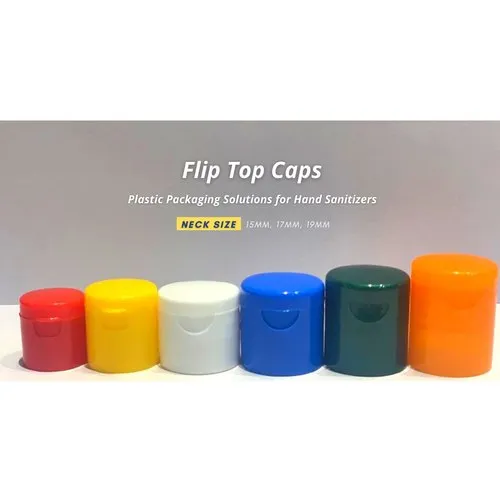
The COVID-19 pandemic dramatically altered global hygiene practices, catapulting hand sanitizers into essential daily-use items. This sudden surge in demand not only impacted the formulation and production of sanitizers but also brought packaging to the forefront. One packaging innovation that gained particular prominence during this period was the flip-top cap. This case study explores the role of flip-top caps in hand sanitizer packaging throughout the pandemic and examines how they met evolving consumer needs, supported manufacturers, and influenced future packaging trends.
1. Background: The Sanitizer Boom During the Pandemic
When COVID-19 began to spread globally in early 2020, demand for hand sanitizers skyrocketed. According to industry reports, global sales of hand sanitizers increased by over 600% in the first half of 2020 alone. This created logistical challenges in terms of raw materials, production speed, and packaging efficiency.
Manufacturers—both established and new entrants—raced to meet the urgent need. Amid this rush, it became clear that packaging was not just a vessel for the product, but a crucial element in usability, safety, and consumer trust.
2. Why Flip-Top Caps?
Flip-top caps became the packaging solution of choice for several reasons:
Ease of Use: The one-hand operation of flip-top caps made them highly convenient, especially in public and high-contact settings.
Controlled Dispensing: Flip-top designs provided better control over how much sanitizer was dispensed, reducing waste.
Hygiene & Safety: Unlike screw caps or pumps, flip-top caps minimized contact with surfaces and prevented recontamination.
Portability: Flip-top bottles were easier to carry in bags, cars, and pockets, making them suitable for on-the-go sanitation.
These features aligned perfectly with consumer priorities during the pandemic: speed, hygiene, and convenience.
3. Supply Chain and Manufacturing Impacts
The surge in demand placed enormous strain on packaging supply chains. Flip-top caps, especially those made from polypropylene (PP) or polyethylene (PE), became difficult to source. Many cap manufacturers, including those producing for cosmetics and food, pivoted to meet sanitizer packaging needs.
Key adaptations included:
Re-tooling machinery for high-volume flip-top cap production.
Simplifying cap designs for faster manufacturing.
Sourcing from multiple regions to avoid bottlenecks.
4. Branding and Consumer Trust
In a time of widespread fear and uncertainty, consumer trust was critical. Brands that used secure, leak-proof flip-top caps signaled quality and reliability. Additionally, the visible seal-integrity and tactile feedback of flip-top caps provided psychological assurance that the product was safe and untampered.
Private labels and new brands that adopted user-friendly packaging were able to quickly establish credibility in a saturated market.
5. Environmental Considerations
The environmental impact of increased plastic usage, including flip-top caps, became a concern. In response, some companies explored:
Biodegradable plastics
Refillable sanitizer systems with reusable flip-top bottles
Post-consumer recycled (PCR) materials for caps
Although sustainability took a backseat during the initial wave of the pandemic, it is now a growing focus in the evolution of flip-top cap design.
6. Legacy and Lasting Impact
Even as global sanitizer usage levels out, the popularity of flip-top caps endures. They’ve become the standard for portable hand sanitizers and have influenced packaging in other sectors, including lotions, gels, and even food products. Key lessons from their adoption include:
Packaging must be adaptable to consumer behavior shifts.
Functional design can drive brand preference.
Supply chain resilience is essential in crisis-response packaging.
Conclusion
The rise of flip-top caps in hand sanitizer packaging during the pandemic is a powerful example of how simple design choices can have widespread implications. From usability and safety to branding and supply chain dynamics, the humble flip-top cap played an outsized role in meeting the challenges of a global health emergency. Its continued popularity speaks to the enduring value of intuitive, hygienic, and efficient packaging solutions in the post-pandemic world.