1. Introduction
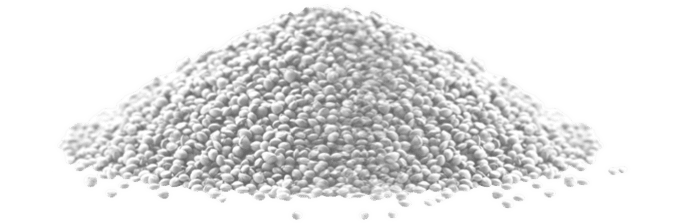
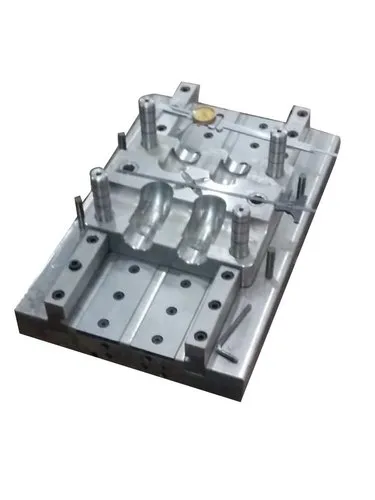
Blow moulding is a widely used plastic processing technique for producing hollow plastic parts such as bottles, containers, and tanks. With growing environmental concerns and regulatory pressures, the industry is shifting toward sustainable materials. Bio-based and biodegradable polymers offer an eco-friendly alternative to traditional petroleum-based plastics.
2. Definitions
Bio-Based Polymers: Derived wholly or partly from renewable biological sources such as corn, sugarcane, or cellulose. They may or may not be biodegradable.
Biodegradable Polymers: Capable of breaking down into natural substances like water, carbon dioxide, and biomass under microbial action.
Bio-Based & Biodegradable Polymers: These satisfy both definitions and are the most environmentally benign.
3. Common Bio-Based and Biodegradable Polymers in Blow Moulding
Polylactic Acid (PLA)
Derived from corn starch or sugarcane.
Biodegradable and compostable under industrial conditions.
Limitations: Brittleness and low thermal resistance.
Polyhydroxyalkanoates (PHAs)
Synthesized by bacterial fermentation of sugars or lipids.
Excellent biodegradability in marine and soil environments.
Suitable for rigid packaging.
Polybutylene Succinate (PBS)
Made from succinic acid and 1,4-butanediol (can be bio-based).
Good flexibility and thermal resistance.
Suitable for applications where higher heat resistance is needed.
Starch-Based Blends
Typically blended with PLA or PBS to improve processability.
Fully biodegradable and cost-effective.
Challenges include moisture sensitivity.
4. Suitability for Blow Moulding
Blow moulding requires specific polymer characteristics:
Melt Strength: Essential for parison formation.
Thermal Stability: Must withstand processing temperatures.
Impact Resistance: Important for container performance.
Barrier Properties: Critical for food and beverage packaging.
Many bio-polymers have been modified or blended to meet these requirements. For example:
PLA is often blended with PBAT (polybutylene adipate terephthalate) to improve flexibility and processability.
PLA-PHB blends are used in extrusion blow moulding for bottles.
5. Applications
Packaging: Bottles for water, juice, cosmetics.
Agriculture: Biodegradable containers and nursery pots.
Medical: Single-use biodegradable medical packaging.
6. Advantages
Reduction in carbon footprint.
Lower environmental persistence and marine pollution.
Support for circular economy initiatives.
Compliance with global sustainability goals and regulations.
7. Challenges and Limitations
Cost: Generally higher than traditional plastics.
Performance: Some bio-polymers still lag in mechanical and thermal properties.
Composting Infrastructure: Industrial composting is required for some (e.g., PLA).
Recycling: Separation and identification in recycling streams can be complex.
8. Future Outlook
Research and development are focused on:
Enhancing properties through polymer blends and nanocomposites.
Scaling up production to reduce costs.
Developing closed-loop systems (e.g., chemical recycling of PLA).
Expanding composting and biodegradation facilities.
Conclusion
Bio-based and biodegradable polymers offer a promising path forward for sustainable blow moulding. While technical and economic challenges remain, ongoing innovation is driving these materials closer to mainstream adoption. Their integration into blow moulding processes not only supports environmental goals but also meets consumer demand for greener products.