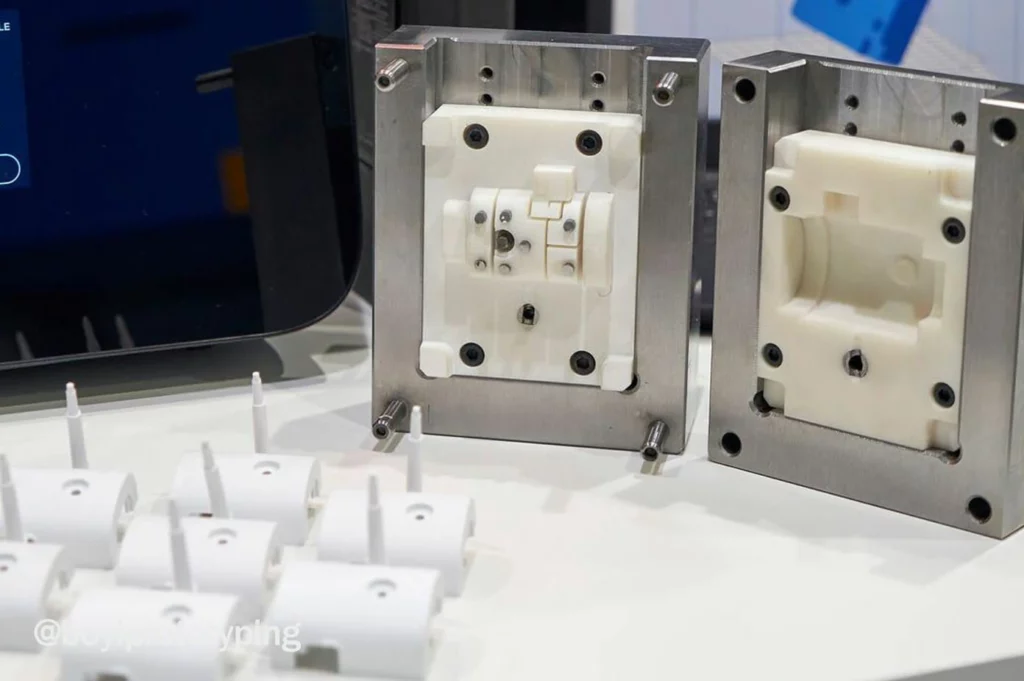
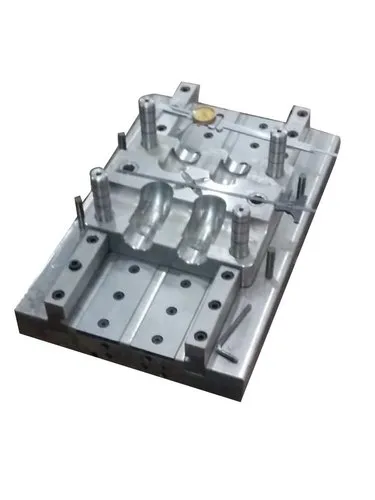
Injection moulding is a widely used manufacturing process for producing plastic parts in large volumes. The efficiency, quality, and cost-effectiveness of the final product heavily depend on the design of the injection mould. Below are the core principles that guide effective injection mould design:
1. Understanding the Product Design
Material Selection: The choice of plastic material influences shrinkage, cooling time, and tool wear.
Geometry and Complexity: Complex parts may require multi-cavity or multi-part moulds.
Tolerance Requirements: Precision in mould design is necessary to achieve tight tolerances.
2. Mould Layout and Cavity Design
Cavity and Core Design: These form the actual shape of the part. Proper allowance for shrinkage and warpage must be included.
Number of Cavities: Determined by production volume and machine capacity. Multi-cavity moulds increase productivity.
Parting Line: Should be placed for ease of ejection and minimal flash.
Mould Orientation: Ensures consistent filling, venting, and cooling.
3. Gating System Design
Sprue: Connects the injection nozzle to the runner.
Runner: Channels that distribute molten plastic to each cavity.
Gate: The entry point of plastic into the cavity; size and location affect filling and part quality.
Gate Types: Pin gate, edge gate, fan gate, submarine gate, etc., selected based on part geometry and aesthetics.
4. Cooling System Design
Uniform Cooling: Essential to avoid warping, residual stresses, and sink marks.
Cooling Channels: Strategically placed to remove heat quickly and evenly.
Cooling Time Optimization: Impacts cycle time and productivity.
5. Ejection System
Ejector Pins/Blades: Push the part out after solidification.
Ejection Timing: Synchronized with mould opening to avoid part deformation.
Draft Angles: Added to vertical surfaces to aid ejection (typically 1–2°).
6. Venting System
Air Escape: Small vents allow air to leave the cavity during injection.
Prevent Defects: Poor venting can cause burn marks, short shots, or incomplete filling.
7. Mould Material and Surface Finish
Tool Steel Selection: Depends on expected mould life, production volume, and part material.
Surface Finish: Impacts aesthetics and ease of demoulding.
8. Strength and Durability
Structural Integrity: Mould should withstand injection pressure and thermal cycling.
Wear Resistance: Critical in high-volume production or when using abrasive materials.
9. Maintenance and Accessibility
Ease of Cleaning and Repair: Design should allow for quick disassembly.
Standard Components: Use standard mould bases and components where possible.
10. Cost and Manufacturability
Balanced Design: Trade-offs between performance, cost, and manufacturability.
Design for Manufacturing (DFM): Early collaboration between designers and toolmakers reduces rework and costs.
Conclusion
The principles of injection mould design are interrelated and require a comprehensive understanding of materials, process parameters, and end-use requirements. A well-designed mould ensures high-quality parts, reduces cycle times, minimizes defects, and increases overall productivity.