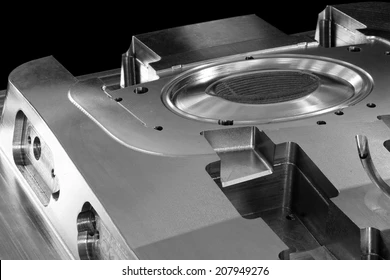
A mould base is a critical component of injection moulding systems, serving as the structural foundation that supports and aligns the various components required to form plastic parts. Proper design of the mould base is essential to ensure efficient, accurate, and cost-effective moulding operations. The following are key design considerations for mould bases:
1. Type of Mould
The type of mould to be used (e.g., two-plate, three-plate, or hot runner mould) significantly influences the mould base design. Each type has different structural and functional requirements, which dictate the layout of the base plates, runner systems, and ejector mechanisms.
2. Material Selection
Mould bases are typically made from high-grade steels such as P20, H13, or pre-hardened tool steels. Material selection should be based on:
Strength and durability (resistance to wear and deformation)
Machinability (ease of manufacturing)
Thermal conductivity (to manage heat dissipation)
Corrosion resistance (especially for humid environments or corrosive plastics)
3. Standard vs. Custom Bases
Standard mould bases are cost-effective and suitable for most applications.
Custom mould bases are designed for specific applications with unique requirements such as non-standard part geometries, multiple cavities, or special cooling systems.
The choice depends on project complexity, budget, and timeline.
4. Alignment and Tolerances
Precise alignment is crucial for consistent part quality. Features to ensure proper alignment include:
Guide pins and bushings
Interlocks between plates
Tight machining tolerances
Poor alignment can lead to flash, parting line mismatch, and premature wear.
5. Cooling System Integration
Efficient cooling is necessary to maintain cycle times and part quality. The mould base must allow:
Proper placement of cooling channels
Compatibility with baffles and bubblers
Avoidance of interference with ejector and runner systems
Cooling design should be considered early to avoid costly modifications.
6. Ejection System Design
The ejection mechanism should be integrated into the mould base to ensure smooth removal of parts. Consider:
Ejector plate arrangement
Return pin and ejector guide bushings
Type of ejectors (pins, sleeves, blades, etc.)
Proper design avoids part damage and reduces cycle times.
7. Clamping and Mounting
The mould base must be compatible with the injection moulding machine. Design factors include:
Clamping slot or bolt hole configuration
Locating ring for centering the mould
Backing plates for structural support
Machine specifications should guide these features to ensure proper fit.
8. Venting and Gas Relief
To avoid short shots and burn marks, proper venting is essential. Mould bases should accommodate:
Vent channels and grooves
Vacuum systems (if used)
Adequate spacing between plates where needed
9. Maintenance and Accessibility
The mould base design should facilitate easy maintenance, including:
Accessibility to moving components
Replaceable wear parts (e.g., guide bushings, ejector pins)
Easy disassembly for cleaning and inspection
Modular designs help reduce downtime.
10. Cost and Manufacturing Constraints
Finally, design choices should balance performance with cost-effectiveness. Considerations include:
Standardization to reduce lead time and cost
Minimizing complex machining
Material availability
Collaboration with mould base suppliers can help optimize cost and performance.
Conclusion
Designing a mould base involves a comprehensive understanding of the moulding process, material properties, and operational requirements. A well-designed mould base not only ensures part quality and production efficiency but also minimizes maintenance and operational costs. Early planning and integration of all mould elements are essential to achieving a reliable and high-performance mould system.