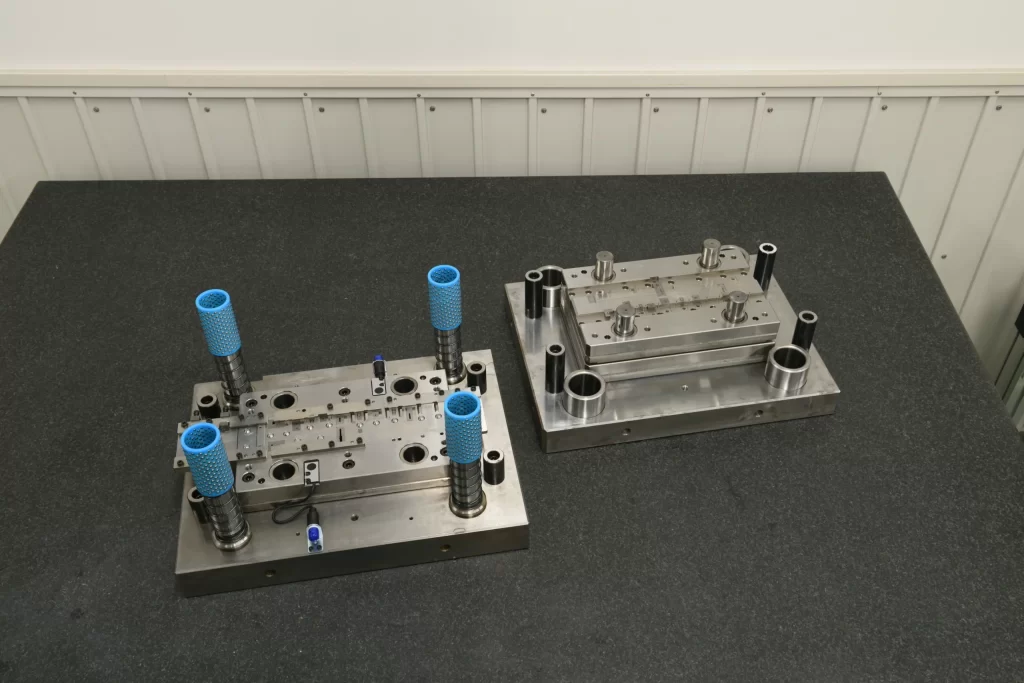
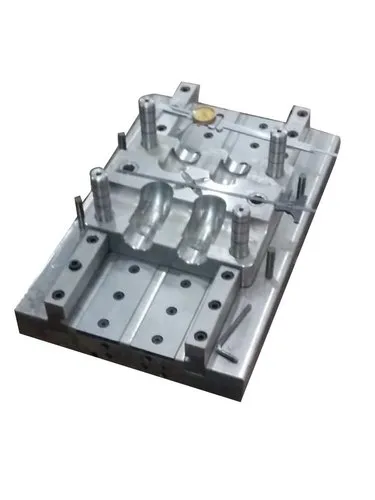
In the injection molding process for houseware products such as containers, lids, kitchen utensils, and storage items, the core and cavity are essential elements of the mold. Their design directly impacts product quality, cycle time, mold life, and production efficiency.
1. Introduction to Core and Cavity
The cavity forms the external surface of the molded part.
The core forms the internal surface of the part.
Together, they define the shape, dimensions, and texture of the final product. In houseware manufacturing, which often involves aesthetic and functional plastic parts, precision in core and cavity design is crucial.
2. Key Considerations in Core and Cavity Design
a. Part Design
Understand the shape, thickness, and functional requirements of the houseware item.
Wall thickness should be uniform to avoid warping or sink marks.
Ribs, bosses, and other features must be incorporated in the design phase.
b. Material Flow
Ensure smooth plastic flow into all sections of the mold.
Avoid air traps or weld lines by properly designing flow paths and venting systems.
c. Draft Angle
Apply adequate draft angles (typically 1°–3°) to all vertical surfaces.
Draft helps in easy ejection of the part and reduces wear on mold surfaces.
d. Shrinkage Allowance
Account for material-specific shrinkage during cooling.
Design core and cavity dimensions accordingly to ensure accurate final part size.
3. Core Design for Houseware
Often forms the inner volume of hollow parts like bowls or containers.
Must be strong enough to resist deformation under injection pressure.
Cooling channels should be placed strategically to ensure even cooling.
May include collapsible cores or unscrewing mechanisms for complex features like threads.
4. Cavity Design for Houseware
Typically defines the outer appearance of the product (surface finish, shape).
Aesthetic features like textures, logos, or patterns are often engraved here.
Should be designed to avoid flow marks or surface defects.
Cooling is equally important to maintain surface finish quality.
5. Mold Alignment and Parting Line
The parting line is the interface between the core and cavity.
In houseware items, it must be placed in areas that minimize visibility or function interference.
Proper alignment features (like guide pins and bushings) ensure consistent mating of core and cavity.
6. Venting and Cooling
Vents in the cavity allow air to escape as plastic fills the mold.
Cooling channels must be optimally placed in both core and cavity to reduce cycle time and avoid warping.
Uniform cooling is essential for parts with tight tolerances and clear finishes.
7. Ejection Mechanism
Ejector pins are typically mounted on the core side.
The design must prevent damage to the product, especially for thin-walled or clear houseware items.
Ejector pin marks should be placed in non-visible areas wherever possible.
8. Materials Used for Core and Cavity
Common materials: H13, P20, stainless steel, or beryllium copper (for high thermal conductivity).
Choice depends on:
Expected production volume
Abrasiveness of plastic
Need for polishability (for transparent items)
Cost considerations
9. Surface Finish
Smooth or textured surfaces may be required based on the final houseware item.
The finish is typically applied to the cavity side if the exterior appearance is critical.
Polishing, EDM texturing, or chemical etching may be used.
10. Common Defects Due to Poor Core/Cavity Design
Warping or shrinkage due to poor cooling.
Short shots from improper venting.
Flash due to misalignment or excessive clearance.
Weld lines or air traps due to poor flow path design.
Conclusion
Core and cavity design is the backbone of a successful houseware die. A well-engineered mold not only ensures the dimensional and aesthetic quality of products but also enhances the overall efficiency and lifespan of the mold. Close collaboration between product designers, mold makers, and process engineers is essential for optimizing core and cavity design.