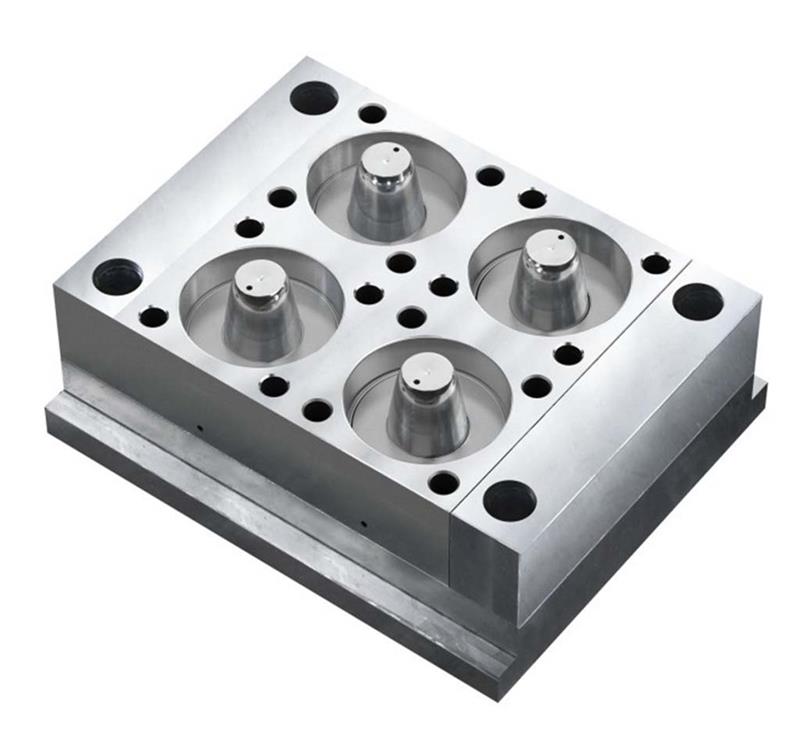
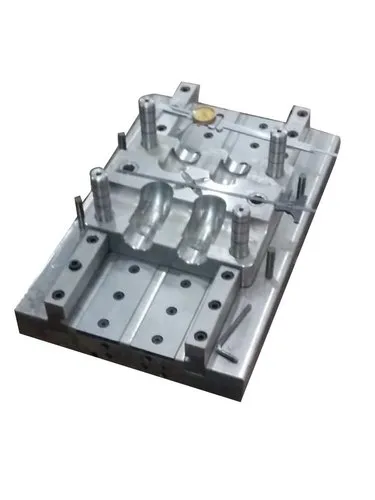
Tool steels are specialized alloys designed to withstand the high stresses, wear, and thermal loads experienced during manufacturing processes. In the case of plastic moulds, the choice of tool steel plays a critical role in determining mould performance, product quality, production efficiency, and overall tool life. Selecting the right tool steel depends on multiple factors including the type of plastic being processed, the expected production volume, mould design complexity, and surface finish requirements.
Key Factors in Tool Steel Selection for Moulds
Type of Plastic Material
Different plastics impose different demands on mould materials:Abrasive materials (e.g., filled thermoplastics) require wear-resistant steels.
Corrosive materials (e.g., PVC, flame-retardant plastics) require corrosion-resistant steels like stainless tool steels.
Transparent plastics (e.g., polycarbonate) need moulds that can achieve high surface finish.
Production Volume
Low-volume production: May tolerate lower-cost steels or pre-hardened grades.
High-volume production: Requires hardened tool steels with excellent wear and thermal resistance.
Mould Design and Complexity
Intricate designs and thin sections may require high polishability and dimensional stability.
Complex cores or slides may benefit from steels with good machinability and toughness.
Surface Finish Requirements
For high-gloss or optical-quality parts, the tool steel must be capable of achieving and maintaining a mirror finish.Thermal Conductivity
Efficient heat dissipation reduces cycle time. Steels with higher thermal conductivity (like beryllium-copper alloys or some P20 variants) are used when cooling is critical.Resistance to Wear and Corrosion
Frequent operation and contact with aggressive polymers or humid environments make wear and corrosion resistance essential.
Common Tool Steels Used for Moulds
| Steel Grade | Type | Properties | Applications |
|---|---|---|---|
| P20 | Pre-hardened (~30–35 HRC) | Good machinability, moderate wear resistance, can be polished | Injection moulds, blow moulds for medium-volume production |
| H13 | Hot work tool steel | High toughness, good resistance to thermal fatigue and wear | High-temperature plastic processing, die casting inserts |
| S7 | Shock-resistant | High impact strength, good wear resistance | Moulds with high impact or mechanical stress |
| 420 Stainless Steel | Corrosion-resistant | Good polishability, corrosion resistance, moderate hardness | Moulds for corrosive plastics or humid environments |
| Stavax ESR (modified 420) | Premium stainless steel | Excellent polishability, high corrosion and wear resistance | High-end moulds for medical, optical, or food-grade parts |
| Beryllium-Copper Alloys | Non-ferrous alloy | Excellent thermal conductivity, good corrosion resistance | Inserts and components requiring fast heat dissipation |