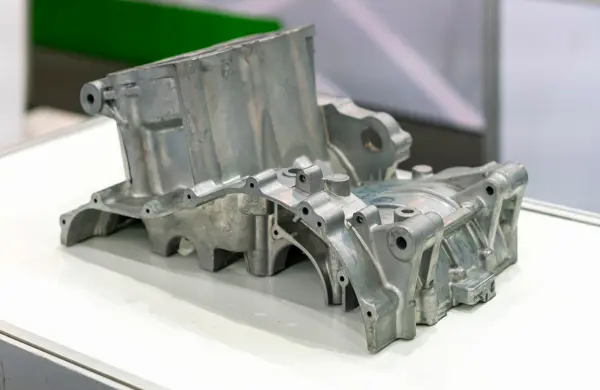
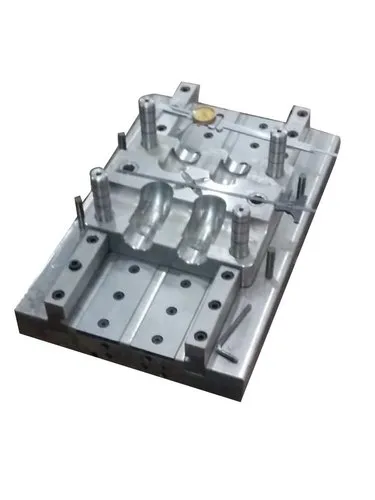
Precision dies play a critical role in the automotive industry, facilitating the manufacturing of high-quality, complex, and precise metal components that meet the demanding standards of modern vehicles. These dies enable mass production with consistent accuracy, contributing to improved vehicle performance, safety, and cost-efficiency.
What are Precision Dies?
Precision dies are specially engineered tools used in metal forming processes such as stamping, forging, blanking, and bending. They are designed with tight tolerances to produce parts with exact dimensions and minimal defects. Their high accuracy ensures repeatability and efficiency in manufacturing.
Importance in Automotive Manufacturing
The automotive industry relies heavily on precision dies due to several key reasons:
Complex Geometries: Modern car parts often have complex shapes that require precise forming.
High Volume Production: Precision dies enable mass production with minimal variation.
Material Efficiency: Proper die design reduces waste and scrap.
Performance & Safety: Accurate parts ensure better assembly fit and structural integrity, crucial for vehicle safety.
Cost Reduction: Reduces manual finishing and rework, lowering overall manufacturing costs.
Key Automotive Components Manufactured Using Precision Dies
Body Panels and Structural Components:
Door panels, fenders, hoods, and roof panels are typically formed using high-precision stamping dies.
These dies ensure smooth surfaces and accurate fitment essential for aerodynamics and aesthetics.
Chassis Parts:
Components such as cross-members, brackets, and reinforcements require precision forging and stamping for strength and durability.
Precision dies help maintain tight tolerances critical for structural integrity.
Engine and Transmission Parts:
Precision forging dies produce crankshafts, connecting rods, gears, and other components.
These parts demand exact shapes and dimensions to withstand high stresses and ensure engine efficiency.
Suspension and Steering Components:
Precision dies are used for manufacturing control arms, linkages, and other suspension parts.
Accuracy ensures proper vehicle handling and ride comfort.
Exhaust and Emission System Parts:
Exhaust pipes, heat shields, and brackets formed by precision dies contribute to vehicle emission control.
Proper shaping and fitment are vital to performance and compliance with regulations.
Types of Precision Dies Used in Automotive Applications
Blanking Dies: For cutting flat shapes from metal sheets.
Progressive Dies: Multiple operations like cutting, bending, and forming are performed in sequence, enabling efficient production of complex parts.
Transfer Dies: Used to transfer parts between multiple stations for different forming operations.
Forging Dies: For shaping metal under high pressure to produce strong, dense components.
Extrusion Dies: For shaping metal profiles used in automotive frames and trim.
Advances Driving Precision Die Applications in Automotive
CAD/CAM and Simulation: Enables the design and testing of dies virtually, reducing errors and optimizing the die-making process.
High-Strength Materials: Precision dies now accommodate advanced high-strength steels and aluminum alloys used for lightweighting vehicles.
Automation Integration: Precision dies are integrated with robotic systems for faster and more consistent production.
Additive Manufacturing: 3D printing helps create complex die inserts or prototypes, speeding up die development.
Challenges and Considerations
Tool Wear: Dies face high stresses, requiring advanced materials and coatings to prolong life.
Material Variability: Processing different metals requires adjustments in die design and maintenance.
Cost of Precision: High upfront cost in designing and producing precision dies is balanced by the savings in production volume and quality.
Conclusion
Precision dies are indispensable in the automotive industry, enabling the production of high-quality, reliable, and complex parts essential for modern vehicles. As automotive technologies evolve—especially with trends like electric vehicles and lightweight materials—the role of precision dies will continue to grow, driven by innovations in design, materials, and manufacturing processes.