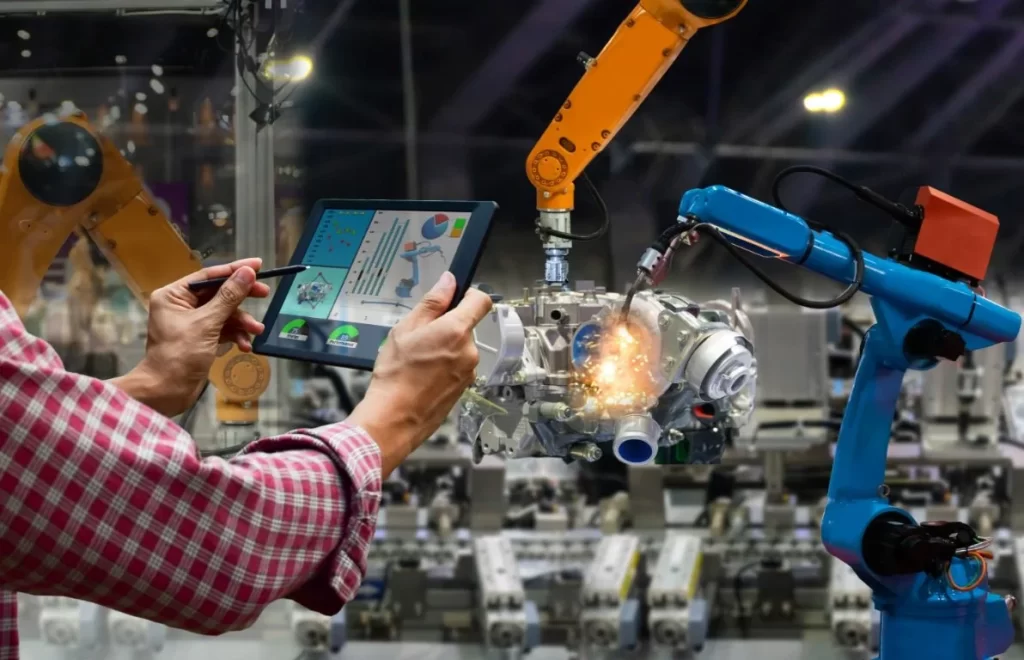
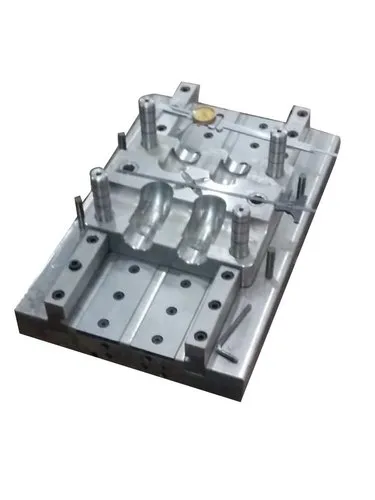
Die design plays a critical role in manufacturing processes such as metal stamping, extrusion, forging, and injection molding. The quality, efficiency, and cost-effectiveness of production largely depend on how well the die is designed and optimized. Traditionally, this has been a time-consuming and experience-driven process. However, the integration of Artificial Intelligence (AI) is revolutionizing die design and optimization across industries.
1. Introduction to Die Design and Optimization
Die design involves creating the geometry, structure, and configuration of the die tools used in shaping materials. Optimization ensures the die delivers the best possible performance in terms of:
Material utilization
Cycle time
Product quality
Tool life
Energy efficiency
AI introduces automation, intelligence, and data-driven decision-making to this process.
2. Applications of AI in Die Design and Optimization
a. Automated Design Generation
AI algorithms, particularly Generative Design and Topology Optimization, can automatically generate multiple design options based on performance constraints and goals (e.g., weight reduction, strength, or material flow).
Benefits: Reduces design time, enhances creativity, and finds innovative solutions that may not be intuitive to human designers.
b. Simulation and Prediction
AI models can learn from historical simulation data (e.g., finite element analysis) to predict die performance, stress distribution, deformation, and potential failure points without needing to run computationally heavy simulations repeatedly.
Technologies: Machine learning (ML), neural networks
Benefits: Speeds up the development cycle and enhances prediction accuracy.
c. Process Parameter Optimization
AI can be used to find the optimal combination of process parameters (temperature, pressure, feed rate, etc.) that result in the best performance of the die and product quality.
Techniques: Genetic algorithms, reinforcement learning
Benefits: Improves efficiency, reduces trial-and-error, minimizes material waste.
d. Defect Detection and Prevention
Using AI-powered image recognition and data analytics, systems can detect defects in real-time and trace them back to die design issues or process parameters.
Benefits: Reduces scrap rates, improves quality control, and allows for proactive design correction.
e. Predictive Maintenance of Dies
AI can analyze sensor data (e.g., vibration, temperature, load) from machines to predict die wear or failure, enabling scheduled maintenance instead of reactive repairs.
Benefits: Extends tool life, avoids unexpected downtime, and reduces operational costs.
3. Integration with CAD/CAM Systems
Modern CAD/CAM platforms are increasingly embedding AI to assist designers with:
Automated feature recognition
Design validation
Toolpath optimization
Material selection
This integration allows a seamless workflow from design to manufacturing, improving overall efficiency.
4. Benefits of AI in Die Design
Faster design cycles: Reduced time-to-market
Lower costs: Reduced material waste and tooling costs
Improved accuracy: Fewer defects and reworks
Enhanced innovation: AI can discover non-intuitive design solutions
Sustainability: Optimized processes reduce energy usage and scrap
5. Challenges and Considerations
While the benefits are clear, some challenges remain:
Data availability: AI systems require large volumes of high-quality data for training
Expertise gap: Combining domain knowledge with AI skills is crucial
Integration complexity: Bridging legacy systems with new AI tools can be difficult
Trust in AI decisions: Engineers need confidence in AI-generated results
6. Future Outlook
As AI continues to evolve, we can expect:
More intelligent and autonomous die design systems
Real-time adaptive manufacturing processes
Greater use of AI in additive manufacturing (3D printed dies)
Collaborative design environments using AI and human expertise
Conclusion
AI is transforming die design and optimization by enabling smarter, faster, and more efficient decision-making. It complements human expertise with data-driven insights, predictive analytics, and automation. As industries move towards Industry 4.0, embracing AI in die design is not just an advantage—it’s becoming a necessity for competitive manufacturing.