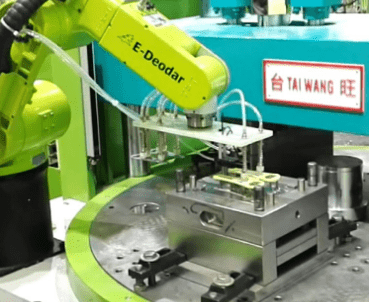
Mould design for medical devices involves unique challenges compared to standard plastic injection moulding due to stringent regulatory, safety, and quality requirements. These considerations ensure that the final product meets medical standards for biocompatibility, cleanliness, and functionality.
1. Material Selection
Biocompatibility: Materials used in moulded parts must be compliant with ISO 10993 or USP Class VI standards for biocompatibility.
Chemical Resistance: Must resist degradation by sterilization methods such as gamma radiation, ethylene oxide (EtO), and autoclaving.
Dimensional Stability: Selected material must retain tolerances post-sterilization and over the product’s lifecycle.
Common Materials: Medical-grade polypropylene, polycarbonate, PEEK, PEI (Ultem), and TPEs.
2. Cleanroom Compatibility
Mould Design should minimize areas that trap contaminants or particles.
Surface Finishes: Polished or highly finished surfaces prevent bacterial growth and ease part ejection.
Closed Systems: If moulding in a cleanroom, design to allow automation and minimal human intervention.
3. Precision and Tolerancing
Tight Tolerances: Required for components such as connectors, drug delivery systems, and surgical tools.
Repeatability: Critical for high-volume production of components with consistent dimensions.
Tooling Precision: High-precision CNC machining and EDM are typically used for medical mould tooling.
4. Part and Tool Design Considerations
Draft Angles: Necessary for easy demoulding without damaging delicate features.
Undercuts and Complex Geometries: Should be minimized or strategically managed with slides, lifters, or collapsible cores.
Gate Location: Should not compromise aesthetics or functionality—prefer cold runners or hot runner systems based on the application.
Venting: Proper venting avoids burn marks and incomplete fills, critical in tight-tolerance medical parts.
5. Sterilization Compatibility
Material and Design must withstand multiple sterilization cycles without warping or degrading.
Design for Drainage and Air Flow: Especially important in parts that undergo autoclaving.
6. Validation and Regulatory Compliance
Design for Manufacturability (DFM): Early design reviews help ensure feasibility and compliance.
Tool Qualification: IQ/OQ/PQ (Installation, Operational, and Performance Qualification) are standard for validating moulds.
Documentation: Complete traceability and documentation required for FDA, CE, and other regulatory submissions.
7. Multi-Cavity and Family Moulds
Consistent Cavity Performance: Critical to ensure uniformity across parts.
Balancing Flow: Runners and gating must be balanced to prevent uneven filling and shrinkage issues.
Interchangeable Inserts: Useful for modularity and extending tool life.
8. Post-Moulding Requirements
Minimal Flash: Critical in medical devices to prevent interference with mechanical function or patient safety.
Assembly Integration: Parts often need to be assembled into more complex devices—design must support automation.
Marking/Labeling: Laser marking or embossing may be required for traceability or identification.
9. Lifecycle and Maintenance
Tool Longevity: Use hardened tool steels (e.g., H13, S7) and coatings (e.g., DLC) to extend mould life.
Cavity Wear Monitoring: Especially important in high-volume runs.
Maintenance Access: Mould design should allow for easy disassembly and cleaning.
10. Risk Management and FMEA
Design FMEA (DFMEA): Identifies potential design risks in the mould and part.
Process FMEA (PFMEA): Helps anticipate process failures like short shots, warping, or contamination.
Conclusion
Designing moulds for medical devices is a multidisciplinary process requiring deep understanding of material science, regulatory standards, and precision engineering. Early collaboration between device designers, toolmakers, and regulatory experts ensures a robust, compliant, and cost-effective manufacturing process.