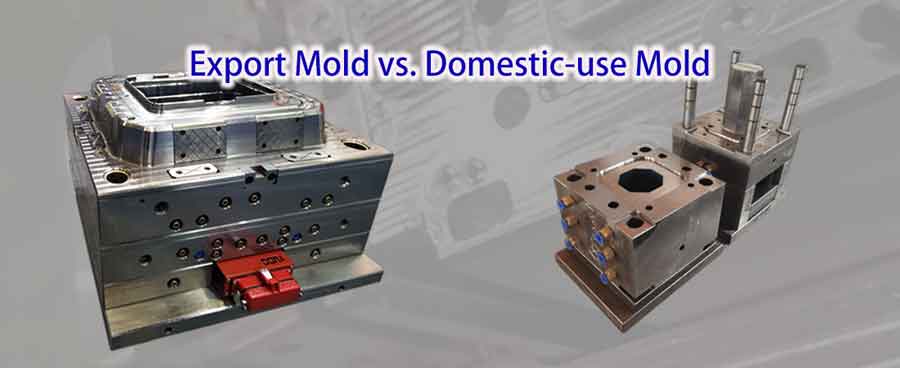
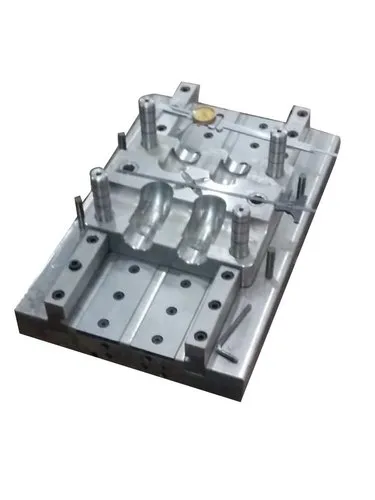
Traditional Moulds:
Traditional moulds refer to physical tools or forms made from materials like wood, metal, or rubber, used in conventional manufacturing processes such as casting, injection moulding, or forming. These are manually or mechanically operated and often require skilled labor.Electronic Moulds:
Electronic moulds are digitally designed and controlled moulds often integrated with computer-aided manufacturing (CAM) systems. They may involve the use of electronic components such as sensors, actuators, and microcontrollers for automation and precision.
2. Manufacturing Method
Traditional Moulds:
Made using manual machining, hand tools, or mechanical processes like milling, turning, and grinding.Electronic Moulds:
Created using CAD (Computer-Aided Design) and manufactured through CNC (Computer Numerical Control) machines, 3D printing, or other advanced digital fabrication technologies.
3. Accuracy and Precision
Traditional Moulds:
Limited precision due to manual processes. Dimensional tolerances are generally lower.Electronic Moulds:
Highly precise with minimal errors due to automation and computer control.
4. Time and Efficiency
Traditional Moulds:
Time-consuming to produce and modify. Changes require remanufacturing or manual rework.Electronic Moulds:
Faster production with easy design modifications. Digital files can be quickly adjusted and reprocessed.
5. Cost
Traditional Moulds:
Lower initial cost for small-scale production but becomes expensive with complexity or scale.Electronic Moulds:
Higher initial setup cost due to software, equipment, and technology, but more cost-effective in large-scale or high-precision applications.
6. Design Flexibility
Traditional Moulds:
Limited flexibility in complex or intricate designs.Electronic Moulds:
High flexibility, capable of producing complex geometries with ease.
7. Integration with Automation
Traditional Moulds:
Limited or no integration with automation or digital systems.Electronic Moulds:
Easily integrated with smart manufacturing, IoT (Internet of Things), and real-time monitoring systems.
8. Durability and Maintenance
Traditional Moulds:
May wear out faster; maintenance is manual and frequent.Electronic Moulds:
Designed for durability with predictive maintenance enabled by sensors and software.
Summary Table
| Feature | Traditional Moulds | Electronic Moulds |
|---|---|---|
| Manufacturing Method | Manual or mechanical | Digital (CAD/CAM, CNC, 3D printing) |
| Precision | Moderate | High |
| Production Time | Slower | Faster |
| Cost (Initial) | Lower | Higher |
| Design Flexibility | Limited | High |
| Automation | Minimal or none | Easily automated |
| Maintenance | Manual | Smart/predictive |
| Use Case | Small-scale or traditional industries | High-tech, mass production, precision needs |