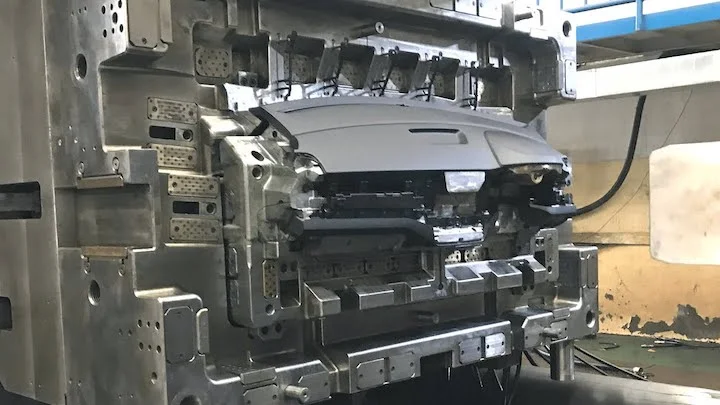
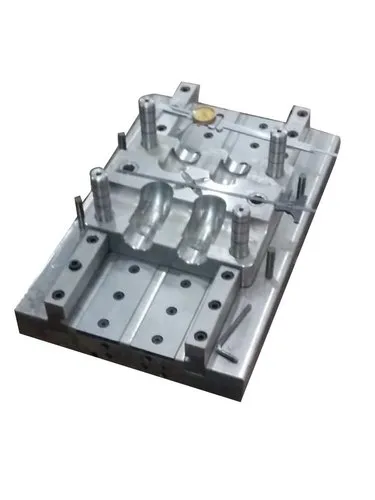
Moulds play a pivotal role in the automotive manufacturing industry by enabling the mass production of consistent, high-quality, and precisely engineered components. From plastic parts to metal castings, moulds are essential tools that support the industry’s drive for efficiency, cost-effectiveness, and innovation.
1. What Are Moulds in Manufacturing?
Moulds are hollow cavities into which materials like plastic, metal, or composite are poured, injected, or pressed to form a specific shape when cooled or set. In automotive manufacturing, moulds are used for creating both structural and aesthetic components with high accuracy and repeatability.
2. Key Applications of Moulds in Automotive Manufacturing
a) Plastic Injection Moulding
One of the most common uses of moulds in the automotive sector is plastic injection moulding. This process is used to manufacture:
Dashboards
Bumpers
Interior trims
Door panels
Consoles and glove compartments
Injection moulding enables mass production of lightweight, durable parts with complex geometries.
b) Die Casting Moulds
Die casting involves using moulds made of hardened tool steel to produce metal parts under high pressure. Typical die-cast automotive parts include:
Engine blocks
Transmission housings
Gearbox casings
Alloy wheels
This method ensures high dimensional accuracy and excellent surface finish.
c) Compression Moulding
Used for parts made from composites or rubber, such as:
Gaskets and seals
Suspension components
Heat shields
Compression moulding is suitable for high-strength, heat-resistant parts.
d) Sheet Metal Forming (Stamping Dies)
Although technically called “dies,” these are also types of moulds used for:
Car body panels
Roofs, hoods, and doors
Structural reinforcements
Stamping dies shape flat metal sheets into complex forms while maintaining structural integrity.
3. Advantages of Using Moulds in Automotive Manufacturing
High Precision and Consistency: Moulds allow for exact replication of parts, critical for interchangeability and assembly line production.
Cost Efficiency at Scale: While moulds are expensive to develop, they significantly reduce per-unit costs in high-volume production.
Design Flexibility: Complex and custom designs can be efficiently produced with modern moulding technologies.
Material Efficiency: Moulding processes generate less waste compared to traditional machining.
Lightweighting: Use of plastic and composite moulded parts helps in reducing overall vehicle weight, contributing to better fuel efficiency and lower emissions.
4. Technological Innovations in Moulding
3D Printing and Rapid Tooling: Accelerates prototyping and design validation.
Simulation Software: Enhances mould design by predicting material flow and potential defects.
Advanced Materials: Use of high-performance polymers and alloys allows for more durable and lightweight components.
5. Challenges and Considerations
High Initial Cost: Designing and fabricating high-precision moulds is capital intensive.
Maintenance and Wear: Moulds undergo wear and require regular maintenance to retain dimensional accuracy.
Design Limitations: Once a mould is built, altering part design can be expensive and time-consuming.
6. Future Outlook
With the growing emphasis on electric vehicles (EVs) and sustainability, the role of moulds is evolving:
Increased demand for lightweight plastic and composite parts.
Integration of moulds in battery casing production.
Greater use of recyclable and bio-based materials in moulded automotive parts.
Conclusion
Moulds are indispensable in automotive manufacturing, providing the foundation for large-scale, cost-effective, and high-quality component production. As the industry moves toward more sustainable and technologically advanced vehicles, moulding technologies will continue to play a critical role in shaping the future of mobility.