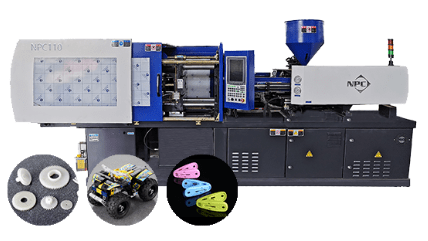
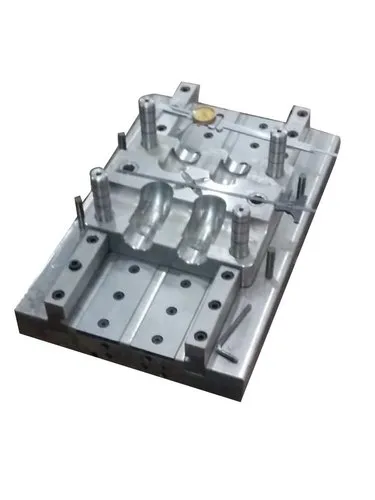
Electronic moulds are advanced mould systems used in injection moulding, die casting, and other forming processes. They integrate electronic components and sensors to monitor, control, and optimize the moulding process in real time. Their working principle is based on the seamless interaction between mechanical mould components and embedded electronic systems.
Key Components of Electronic Moulds
Sensors – Monitor temperature, pressure, position, flow rate, etc.
Controllers / Microprocessors – Process sensor data and make real-time decisions.
Actuators – Mechanically adjust parts of the mould as needed.
Communication Modules – Allow data exchange with external systems like PLCs or monitoring software.
Power Supply Units – Provide necessary electrical energy for electronic components.
Working Principle
Mould Setup & Initialization
Before production begins, the electronic system checks the status of all sensors and ensures that the mould is in a ready condition. Initialization data is loaded from the controller.Real-Time Monitoring
During the moulding process, embedded sensors continuously measure parameters such as:Cavity pressure
Mould surface temperature
Clamping force
Cycle time
Cooling efficiency
Data Processing & Decision Making
The microcontroller or PLC processes this data to detect anomalies, deviations, or inefficiencies. For example, if cavity pressure is too low, it may indicate an incomplete filling.Dynamic Adjustment
Based on the processed data, electronic moulds can:Adjust injection pressure or timing
Regulate cooling channels
Open/close gates or vents automatically
Trigger alarms in case of defects or unsafe conditions
Feedback & Optimization
Continuous feedback helps in maintaining consistent part quality. Some advanced systems use AI algorithms to auto-optimize the process over time for better yield and reduced waste.Data Logging & Connectivity
All operational data is logged for quality control, traceability, and predictive maintenance. These moulds can also be connected to MES (Manufacturing Execution Systems) or IIoT (Industrial Internet of Things) platforms.
Applications of Electronic Moulds
High-precision plastic injection moulding
Medical and automotive part production
Complex multi-cavity moulds
Smart factories with Industry 4.0 integration
Benefits
Improved product quality and consistency
Reduced cycle time and energy consumption
Predictive maintenance and reduced downtime
Full traceability of production parameters
Enables smart manufacturing and automation