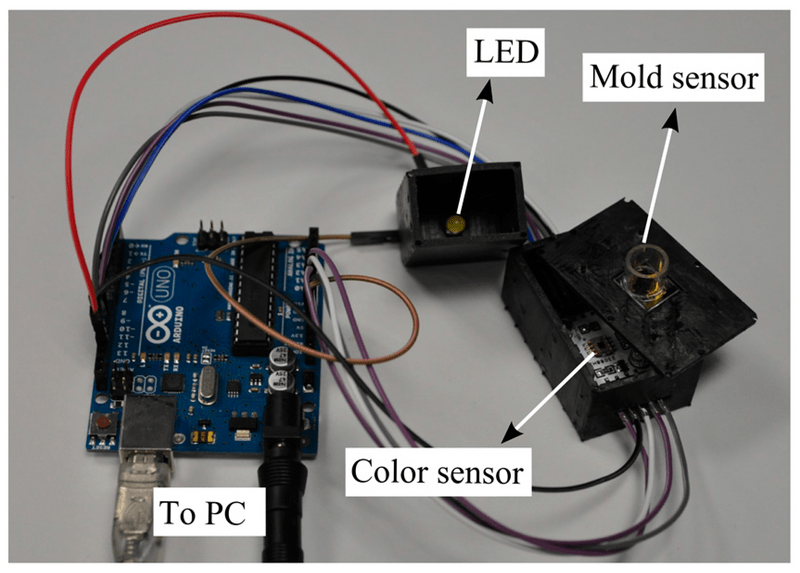
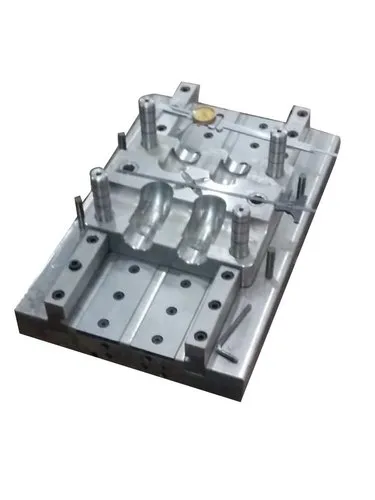
Electronic moulds are advanced tooling systems used in manufacturing processes like injection moulding, die casting, and thermoforming. These moulds integrate electronic components—especially sensors—to enhance precision, efficiency, and automation. Sensors play a critical role in ensuring product quality, process consistency, and equipment safety.
1. Process Monitoring and Control
Sensors provide real-time data on various parameters during the moulding process, enabling effective process control. Key monitored parameters include:
Temperature Sensors: Monitor the mould and material temperatures to maintain optimal processing conditions, preventing defects like warping or incomplete filling.
Pressure Sensors: Measure the injection or cavity pressure to ensure proper material flow and detect any anomalies during the moulding cycle.
Position Sensors: Track the movement of cores, slides, and ejector systems to ensure correct alignment and timing.
2. Quality Assurance
By collecting accurate data from the sensors, manufacturers can ensure that each part meets the desired specifications. For example:
Strain Gauges: Detect stress or deformation in mould components, helping to prevent premature wear or failure.
Displacement Sensors: Confirm proper mould closure and part ejection, reducing the chances of producing defective parts.
3. Predictive Maintenance
Sensors help in predicting and preventing failures before they occur:
Vibration Sensors: Detect unusual mechanical movements that may indicate wear or failure in components like pumps or motors.
Thermal Sensors: Monitor for overheating in heaters or other components, prompting timely maintenance to avoid downtime.
4. Automation and Integration
Sensors enable the integration of moulds with automation systems, including:
PLC and SCADA Systems: Sensor data feeds into programmable logic controllers (PLCs) or supervisory control systems for real-time adjustments and remote monitoring.
Smart Moulds/Industry 4.0: Sensor-equipped moulds contribute to smart manufacturing environments by enabling data-driven decision-making and cloud-based analytics.
5. Safety and Protection
Sensors also play a protective role in ensuring operator and machine safety:
Limit Switches and Proximity Sensors: Detect open or improperly closed moulds, preventing the cycle from starting until safe conditions are met.
Load Sensors: Monitor forces on mould components to prevent damage due to excessive pressure or misalignment.
Conclusion
Sensors are vital to the modern operation of electronic moulds, enabling smarter, safer, and more efficient manufacturing. They not only ensure product quality and consistency but also contribute to predictive maintenance and process optimization. As manufacturing continues to embrace Industry 4.0 principles, the role of sensors in electronic moulds will only become more significant.