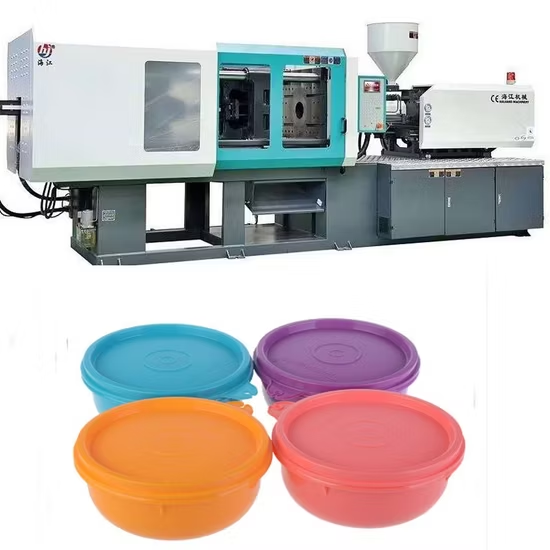
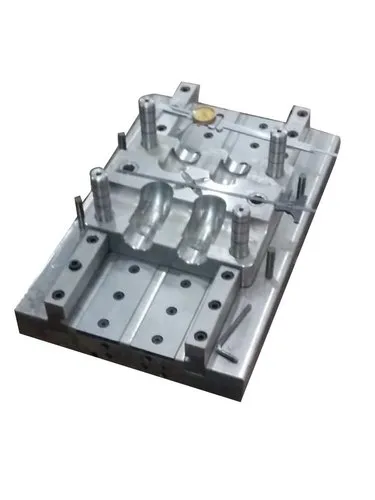
Injection moulding is a highly efficient and versatile manufacturing process used for producing plastic parts by injecting molten material into a mould. While it is commonly associated with small, precise components in industries like automotive and electronics, it has become increasingly significant in the furniture industry due to its ability to produce strong, lightweight, and aesthetically pleasing furniture components at scale.
What is Injection Moulding?
Injection moulding involves the following basic steps:
Plastic pellets (usually thermoplastics like polypropylene or ABS) are fed into a heated barrel.
The material is melted and mixed, then injected under high pressure into a steel mould.
The plastic cools and hardens in the shape of the mould cavity.
The mould opens, and the finished part is ejected.
This process is repeated rapidly, making it ideal for mass production.
Application in Furniture Manufacturing
In the furniture sector, injection moulding is used to manufacture:
Chairs and stools
Table components
Storage units
Decorative panels
Armrests, backrests, and structural parts
Advantages of Injection Moulding in Furniture Production
Design Flexibility
Complex shapes, curves, and textures can be easily integrated into furniture design without the need for additional finishing or assembly.High Production Efficiency
Once the mould is made, the process is fast and repeatable, making it ideal for large-scale manufacturing.Material Efficiency
Minimal material waste and the possibility of using recycled plastics make it a sustainable option.Durability and Strength
Moulded furniture parts are often strong and resistant to impact, moisture, and corrosion.Cost-Effectiveness at Scale
Although the initial mould cost is high, the cost per unit drops significantly in mass production.
Materials Commonly Used
Polypropylene (PP): Lightweight, durable, and affordable
Acrylonitrile Butadiene Styrene (ABS): Rigid with good impact resistance
Glass-fiber reinforced plastics: For added strength in structural parts
Recycled plastics: Increasingly popular for sustainable furniture production
Design Considerations
Injection-moulded furniture components must be designed to:
Minimize material usage without compromising strength
Avoid undercuts or features that complicate mould release
Ensure uniform wall thickness for even cooling and structural integrity
Incorporate features like ribs and gussets for reinforcement
Conclusion
Injection moulding has transformed the furniture industry by enabling the production of stylish, ergonomic, and durable pieces at competitive costs. With growing demand for sustainable, high-performance furniture, this process offers a reliable solution for modern manufacturers aiming to innovate in both form and function.