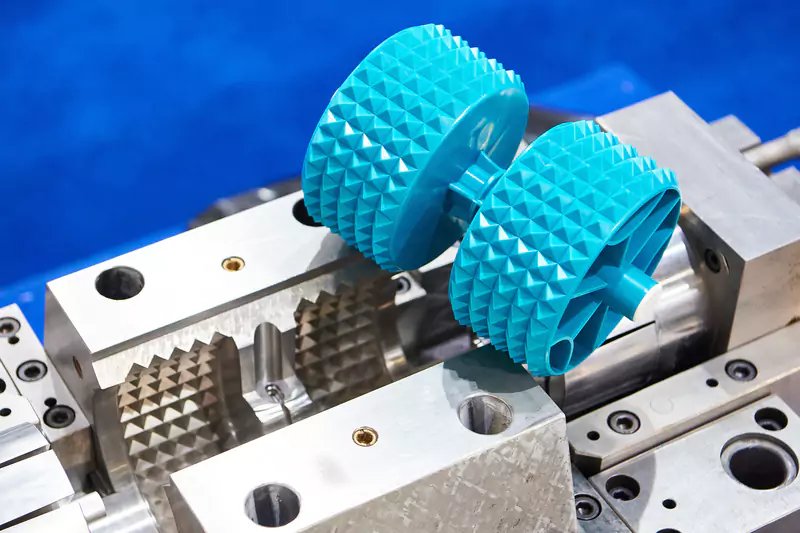
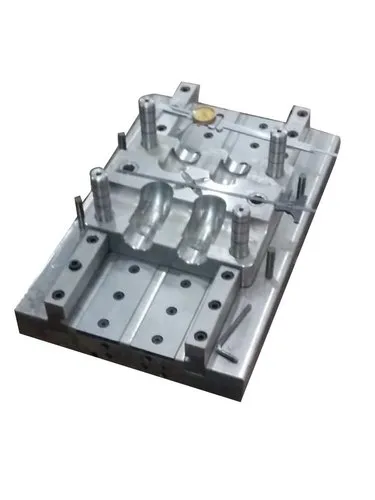
Material selection plays a crucial role in the design and manufacturing of electronic mould components. These components are used in moulds designed to produce parts for electronic devices such as connectors, housings, and precision assemblies. The right material ensures the mould’s durability, dimensional accuracy, heat resistance, and overall performance in mass production environments.
Key Considerations in Material Selection
When selecting materials for electronic mould components, the following factors must be considered:
Thermal Conductivity
High thermal conductivity materials are essential to ensure quick heat dissipation during the injection moulding process, which reduces cycle time and improves part quality.Dimensional Stability
Precision is critical in electronic components. Materials must maintain tight tolerances under repeated thermal and mechanical stress.Wear Resistance
Moulds undergo repeated use, often with abrasive or glass-filled polymers. Materials with excellent wear resistance prolong mould life and reduce maintenance.Corrosion Resistance
Some polymers release corrosive gases during moulding (e.g., PVC). The mould material should resist chemical attack to avoid premature failure.Machinability and Polishability
Fine features and high-gloss surfaces are often required in electronic components. Materials should support precision machining and polishing.Cost and Availability
While performance is key, cost-effectiveness and material availability also influence selection, especially for high-volume production.
Common Materials Used in Electronic Mould Components
| Material Type | Example Grades | Key Properties | Typical Usage |
|---|---|---|---|
| Tool Steels | P20, H13, S7, 420 SS | High strength, wear resistance, good polishability (420) | Core & cavity inserts, mould bases |
| Stainless Steels | 420, 440C, 316 | Corrosion resistance, polishability | Suitable for corrosive materials or humid environments |
| Beryllium Copper | MoldMax, Ampcoloy | Excellent thermal conductivity, decent hardness | Inserts for rapid cooling, pinch-offs |
| Aluminum Alloys | 7075, QC-10 | Lightweight, good thermal conductivity, easy to machine | Prototypes, short-run moulds |
| Carbide Alloys | Tungsten Carbide | Extreme wear resistance | High-abrasion zones like ejector sleeves, valve gates |