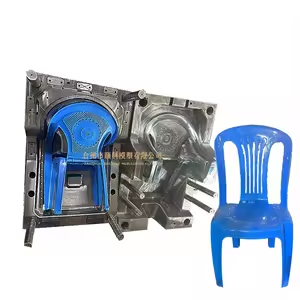
Outdoor plastic furniture moulds are specifically designed to manufacture durable, weather-resistant, and stylish furniture suitable for gardens, patios, pool areas, and public spaces. These moulds play a crucial role in shaping products such as chairs, tables, benches, loungers, and stools that can withstand harsh environmental conditions while maintaining aesthetic appeal.
1. Overview
Outdoor plastic furniture moulds are typically made from high-grade steel (such as P20, 718, or H13) to ensure longevity and precision. The moulds are designed for high-volume production using injection moulding or gas-assisted injection moulding techniques. They must deliver consistent quality and smooth surface finishes suitable for outdoor use.
2. Key Features
Weather Resistance: Moulds are designed to produce furniture that resists UV rays, moisture, and temperature variations.
High Strength and Durability: The moulds are engineered for long life and capable of thousands of production cycles without wear.
Ergonomic and Aesthetic Design: Furniture produced from these moulds offers comfort, stability, and attractive design suitable for outdoor settings.
Easy Maintenance: Mould surfaces are polished and coated to reduce sticking, corrosion, and cleaning requirements.
Precision Cooling System: Advanced cooling channels ensure uniform cooling and dimensional accuracy of large parts.
3. Types of Outdoor Furniture Moulds
Plastic Chair Moulds: Stackable or folding designs with armrests and ventilation holes.
Table Moulds: Round, square, or rectangular tops with foldable or fixed legs.
Bench and Lounger Moulds: Designed for parks, gardens, and poolside areas.
Stool and Ottoman Moulds: Compact, lightweight, and durable for multipurpose use.
4. Materials Used for Production
Outdoor furniture is often made using PP (Polypropylene), HDPE (High-Density Polyethylene), or Glass-Filled PP, which provide excellent mechanical strength and resistance to fading and cracking. These materials are ideal for outdoor exposure and easy recycling.
5. Applications
Residential gardens and balconies
Hotel and resort outdoor lounges
Cafés and restaurants with open-air seating
Public parks and recreation areas
Poolside and beach furniture
6. Advantages
Lightweight and portable compared to metal or wooden furniture
Non-corrosive and resistant to moisture
Low-cost mass production
Long-lasting with minimal maintenance
Available in a wide range of colours and designs
7. Conclusion
Outdoor plastic furniture moulds are a vital part of the modern moulding industry, enabling the mass production of durable, elegant, and cost-effective outdoor furniture. With advancements in mould design, materials, and automation, manufacturers can now deliver products that meet global quality standards while catering to the growing demand for stylish and sustainable outdoor living solutions.