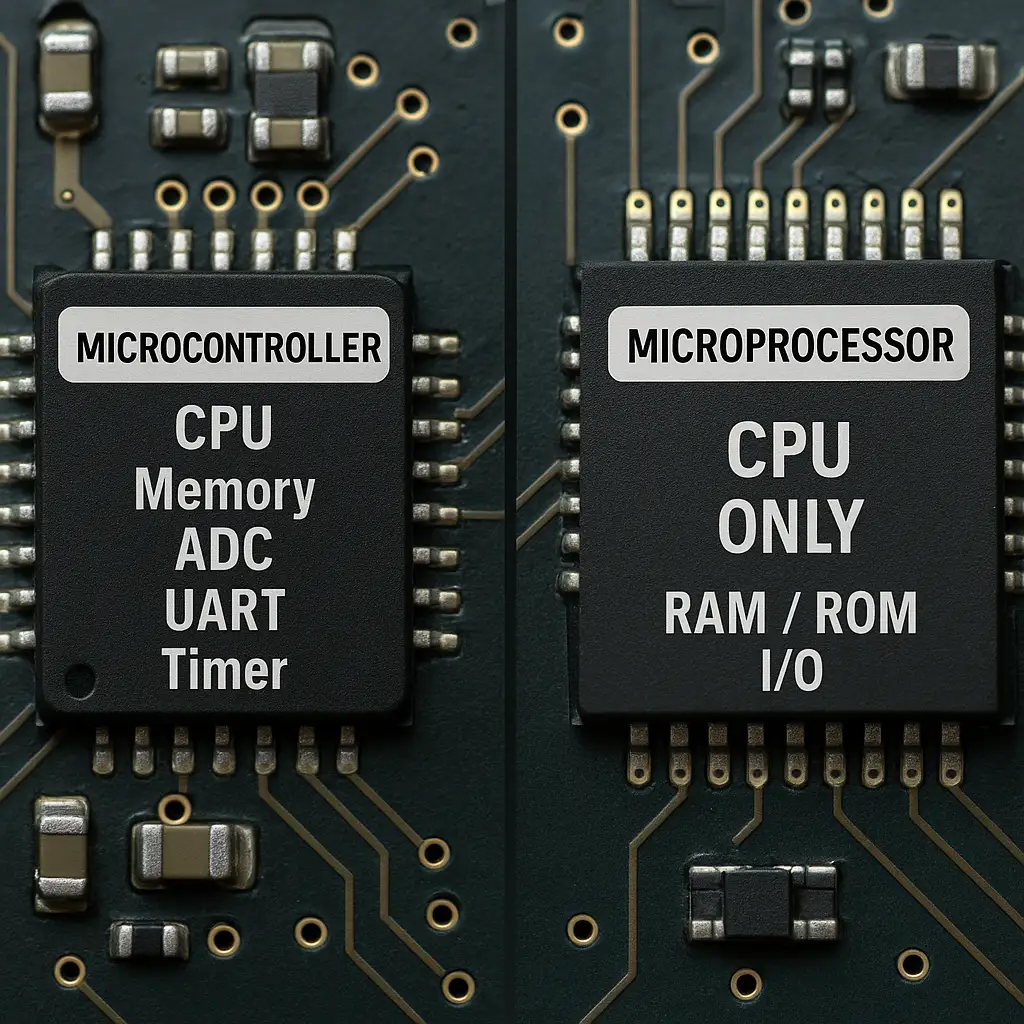
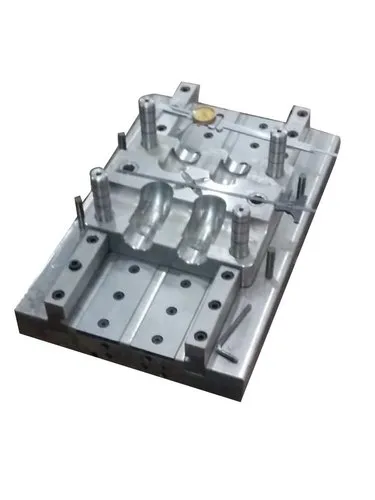
Embedded microcontrollers have become an integral part of modern mould systems, enabling higher levels of automation, precision, and reliability in the manufacturing process. These compact electronic devices act as the “brain” of the mould, managing sensors, actuators, and communication systems to ensure optimal mould performance and consistent product quality.
1. Role of Microcontrollers in Mould Systems
Microcontrollers monitor and control various moulding parameters in real time. They process input from sensors that measure temperature, pressure, flow rate, and cycle time, and then adjust the mould’s operating conditions accordingly. This ensures that the mould performs at its best during each injection cycle, reducing defects and enhancing part consistency.
2. Key Functions
Temperature Control:
Microcontrollers regulate heating and cooling channels by controlling heaters and thermocouples, maintaining uniform mould temperature to prevent warping and shrinkage.Pressure and Flow Monitoring:
By managing hydraulic or pneumatic systems, they maintain precise injection pressure and flow rates, ensuring consistent mould filling.Cycle Optimization:
Microcontrollers optimize cycle timing for injection, cooling, and ejection stages, improving productivity and reducing energy consumption.Data Acquisition and Storage:
They record critical data such as mould temperature profiles, injection times, and production counts, which are useful for traceability and predictive maintenance.
3. Integration with Smart Technologies
Modern mould systems integrate microcontrollers with IoT platforms, MEMS sensors, and machine learning algorithms to enable predictive and adaptive control. Through network connectivity, mould performance data can be shared with factory management systems for remote monitoring and analysis.
4. Benefits of Embedded Microcontrollers
Improved process stability and repeatability
Reduced human intervention and operational errors
Enhanced energy efficiency and reduced cycle times
Real-time fault detection and maintenance alerts
Better product consistency and reduced scrap rates
5. Applications
Embedded microcontrollers are widely used in:
Automotive moulds (interior and exterior components)
Packaging and consumer product moulds
Electronic and precision component moulds
Furniture and household plastic moulds
6. Future Outlook
With advancements in microprocessor speed, AI-based control, and wireless communication, future mould systems will become more autonomous and self-optimizing. Embedded controllers will continue to play a vital role in achieving smart manufacturing goals within Industry 4.0 environments.