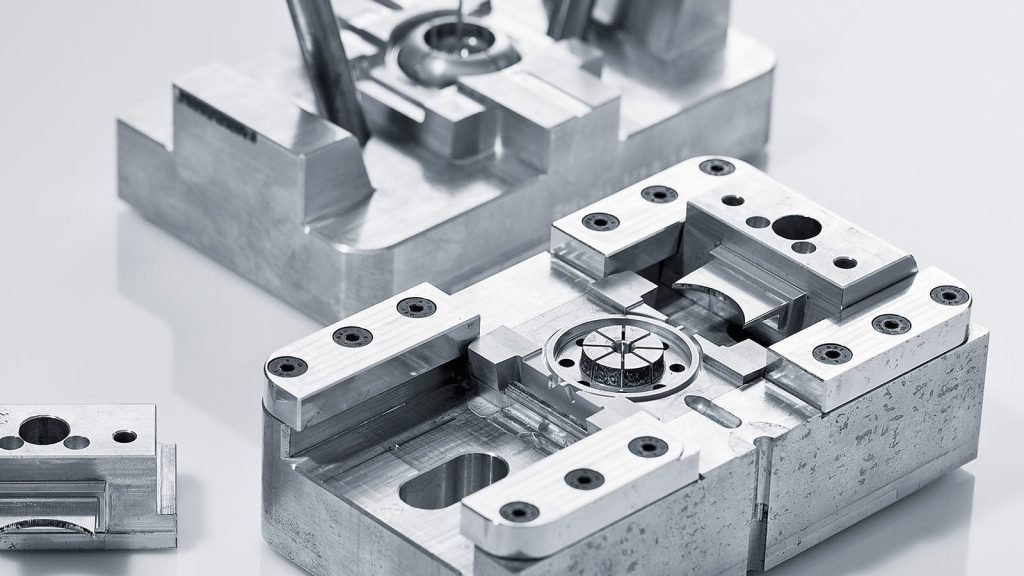
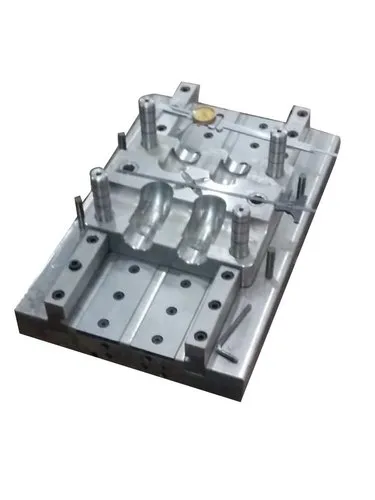
After-sales support and mould servicing are critical aspects of the mould manufacturing lifecycle, ensuring long-term performance, reliability, and customer satisfaction. A well-structured support system not only extends mould life but also minimizes downtime, improves product quality, and strengthens customer relationships.
1. Importance of After-Sales Support
After-sales support begins once the mould is delivered and commissioned at the customer’s facility. Its importance includes:
- Ensuring Optimal Performance: Continuous support helps maintain the mould’s efficiency and output quality.
- Minimizing Downtime: Quick response to issues reduces production losses.
- Extending Mould Life: Regular servicing prevents premature wear and failure.
- Customer Retention: Reliable support builds trust and long-term partnerships.
2. Key Components of After-Sales Support
a. Installation and Commissioning Support
- Assistance during mould setup on injection moulding machines.
- Trial runs and validation to ensure correct functioning.
- Operator training for proper handling and maintenance.
b. Technical Assistance
- Remote or on-site troubleshooting.
- Guidance on process parameters such as temperature, pressure, and cycle time.
- Support for material changes or product modifications.
c. Spare Parts Management
- Supply of critical spare parts like ejector pins, inserts, sliders, and hot runner components.
- Maintaining inventory for quick replacement.
- Recommendations for wear-prone parts.
d. Documentation and Training
- Detailed manuals covering operation, maintenance, and safety.
- Training sessions for machine operators and maintenance teams.
- Troubleshooting guides and best practices.
3. Mould Servicing and Maintenance
Regular servicing is essential to maintain mould performance and avoid costly breakdowns.
a. Preventive Maintenance
- Scheduled cleaning and lubrication.
- Inspection of moving components.
- Checking cooling channels for blockage or scaling.
- Tightening of fasteners and alignment checks.
b. Predictive Maintenance
- Use of sensors and monitoring systems to track mould performance.
- Identifying wear trends before failure occurs.
- Data-driven maintenance scheduling.
c. Corrective Maintenance
- Repair or replacement of damaged components.
- Re-polishing of cavities and cores.
- Fixing flash, short shots, or dimensional issues.
4. Common Mould Issues and Solutions
| Issue | Cause | Solution |
|---|---|---|
| Flash formation | Worn parting line or excessive pressure | Rework parting surface, optimize parameters |
| Short shots | Poor flow or low temperature | Adjust temperature and injection speed |
| Warpage | Uneven cooling | Improve cooling system design |
| Sticking parts | Poor surface finish | Re-polish or apply coatings |
5. Servicing Intervals
Servicing frequency depends on production volume and material used:
- Low volume: Basic inspection after 50,000–100,000 cycles
- Medium volume: Maintenance every 25,000–50,000 cycles
- High volume: Frequent checks every 10,000–25,000 cycles
6. Advanced Servicing Techniques
- Laser Welding: Repairing worn or damaged areas with precision.
- Surface Coatings: Enhancing wear resistance (e.g., nitriding, PVD coatings).
- Ultrasonic Cleaning: Effective cleaning of complex cavities and cooling channels.
- 3D Scanning and Measurement: Ensuring dimensional accuracy after servicing.
7. Role of Digital Technologies
- IoT-Based Monitoring: Real-time tracking of mould temperature, pressure, and cycles.
- Maintenance Software: Scheduling and tracking service history.
- Remote Diagnostics: Faster troubleshooting without physical presence.
8. Service Agreements and AMC (Annual Maintenance Contracts)
Many manufacturers offer service agreements that include:
- Periodic inspections and maintenance
- Priority support and faster response time
- Discounted spare parts and repairs
- Performance audits and optimization
9. Best Practices for Effective After-Sales Support
- Maintain detailed service records for each mould.
- Use only recommended materials and process parameters.
- Train operators regularly.
- Establish clear communication channels between supplier and customer.
- Implement a preventive maintenance schedule.
10. Conclusion
After-sales support and mould servicing are not just supplementary services but essential components of successful mould utilization. A proactive approach combining preventive maintenance, advanced technologies, and strong technical support ensures higher productivity, reduced costs, and enhanced customer satisfaction. Investing in robust after-sales systems ultimately leads to long-term operational excellence and business growth.