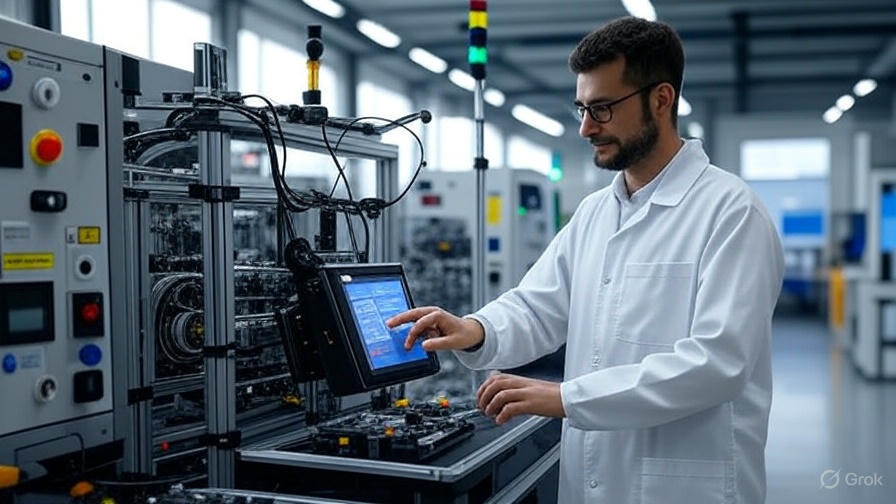
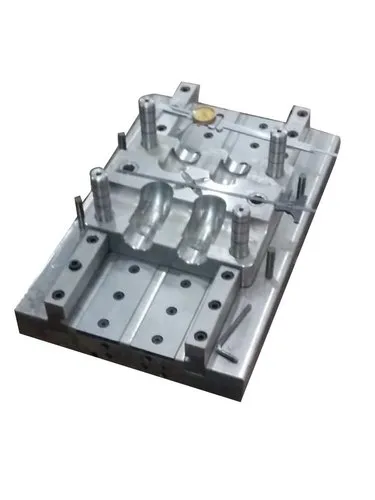
The healthcare industry is increasingly adopting advanced manufacturing technologies to improve product quality, patient safety, and regulatory compliance. One of the most significant developments is the integration of data monitoring systems and smart mould technologies in the production of medical and healthcare products. Smart moulds enable real-time monitoring, predictive maintenance, and enhanced process control, ensuring the consistent production of high-precision medical components.
What are Smart Moulds?
Smart moulds are injection moulds equipped with sensors, data acquisition systems, and communication technologies that continuously monitor critical moulding parameters. These moulds collect and transmit real-time data, allowing manufacturers to optimize production processes, reduce defects, and maintain strict quality standards required in healthcare applications.
Importance in Healthcare Manufacturing
Healthcare products such as syringes, diagnostic devices, surgical instruments, inhalers, medical packaging, and implantable device components demand exceptional precision and consistency. Even minor defects can impact patient safety and regulatory compliance. Smart moulds help manufacturers achieve:
- Consistent product quality
- Enhanced traceability and documentation
- Reduced production downtime
- Improved process validation
- Compliance with medical industry regulations
- Faster troubleshooting and corrective actions
Key Data Monitoring Parameters
1. Cavity Pressure Monitoring
Sensors installed within mould cavities measure pressure during injection and packing stages. This helps ensure proper material flow, minimizes short shots, and maintains dimensional accuracy.
2. Temperature Monitoring
Real-time temperature tracking across mould cavities and cooling channels ensures uniform cooling, preventing warpage, sink marks, and dimensional inconsistencies.
3. Cycle Time Analysis
Smart moulds continuously record cycle times, helping manufacturers identify process inefficiencies and optimize production throughput.
4. Cooling System Performance
Monitoring coolant flow rate, temperature, and pressure helps maintain stable mould temperatures and improves overall process efficiency.
5. Part Ejection Monitoring
Sensors can detect improper ejection conditions, reducing the risk of part damage, mould wear, or machine stoppages.
6. Vibration and Wear Detection
Advanced sensors monitor vibration levels and mechanical wear, enabling predictive maintenance before failures occur.
Integration with Industry 4.0
Modern healthcare manufacturing facilities are embracing Industry 4.0 principles, where smart moulds are connected to centralized manufacturing execution systems (MES), enterprise resource planning (ERP) platforms, and cloud-based monitoring solutions. This integration enables:
- Real-time production visibility
- Automated quality reporting
- Remote monitoring of mould performance
- Predictive analytics
- Data-driven process optimization
- Improved regulatory documentation
Benefits of Smart Moulds in Healthcare Applications
Improved Product Quality
Continuous monitoring allows manufacturers to detect process deviations immediately, ensuring every medical component meets strict quality requirements.
Enhanced Traceability
Production data can be linked to specific batches, mould cavities, machines, and process conditions, supporting comprehensive traceability for audits and recalls.
Reduced Scrap and Waste
Early detection of process variations minimizes defective production, reducing material waste and manufacturing costs.
Predictive Maintenance
Data analytics help identify potential mould issues before breakdowns occur, reducing unplanned downtime and maintenance expenses.
Faster Regulatory Compliance
Automated data collection simplifies validation, documentation, and compliance with healthcare standards such as ISO 13485 and FDA requirements.
Increased Production Efficiency
Optimized process control and reduced machine interruptions improve overall equipment effectiveness (OEE) and manufacturing productivity.
Applications in Healthcare Product Manufacturing
Smart mould technology is widely used in the production of:
- Disposable syringes
- IV connectors and infusion components
- Diagnostic cartridges
- Blood collection tubes
- Medical device housings
- Inhaler components
- Surgical instrument handles
- Pharmaceutical packaging
- Laboratory consumables
- Drug delivery systems
Future Trends
The future of healthcare mould manufacturing will be driven by artificial intelligence, machine learning, digital twins, and advanced sensor technologies. Smart moulds will increasingly leverage predictive analytics to automatically adjust processing parameters, reduce human intervention, and ensure zero-defect manufacturing. As healthcare products become more sophisticated, data-driven moulding solutions will play a critical role in delivering safer, more reliable, and highly regulated medical devices.
Conclusion
Data monitoring and smart mould technologies are transforming healthcare manufacturing by providing unprecedented levels of process control, quality assurance, and operational efficiency. Through real-time data collection, predictive maintenance, and Industry 4.0 integration, smart moulds help manufacturers meet stringent healthcare standards while improving productivity and reducing costs. As digital manufacturing continues to evolve, smart moulds will become an essential component of modern medical product production.