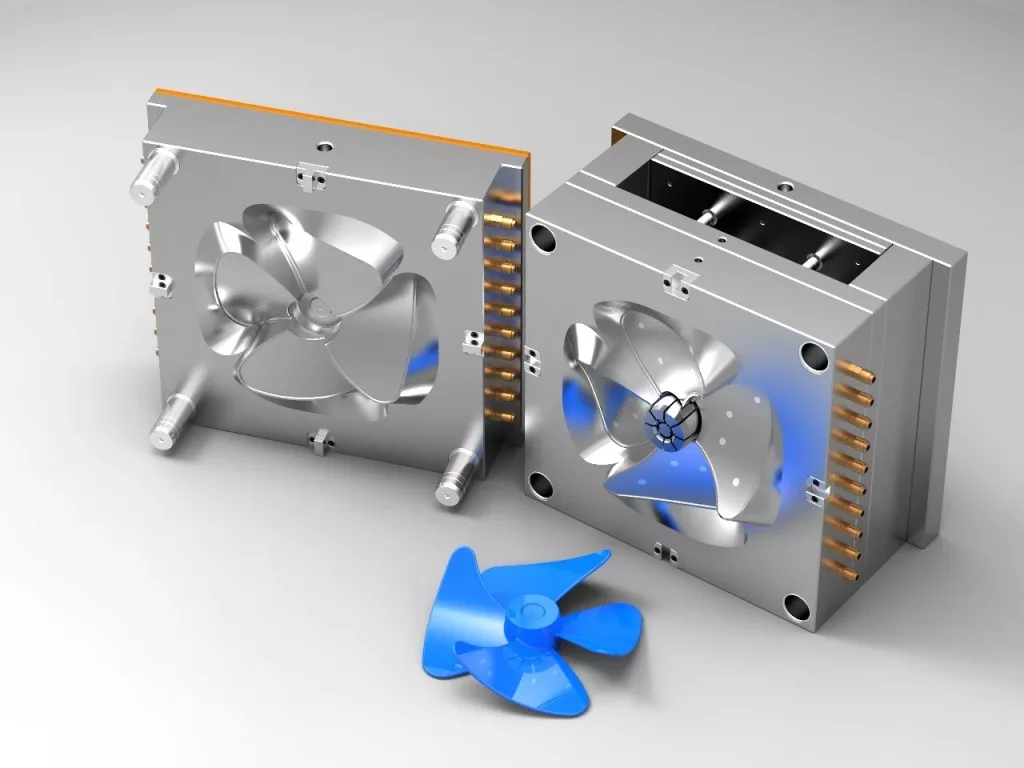
In today’s competitive manufacturing landscape, customization and personalization have become key differentiators for brands across industries. Consumers increasingly seek products that reflect their individual preferences, lifestyles, and identities. Mould design plays a crucial role in enabling manufacturers to produce customized products efficiently, consistently, and cost-effectively. Advanced mould technologies allow businesses to create unique shapes, designs, textures, branding elements, and functional features without compromising production efficiency.
The Growing Demand for Customized Products
Modern consumers expect products tailored to their specific needs. Whether in packaging, consumer goods, automotive components, medical devices, stationery, cosmetics, or household products, personalization enhances customer engagement and brand loyalty. Manufacturers are responding by adopting flexible mould designs that support product variation while maintaining high production standards.
Key drivers of customization include:
- Increasing consumer preference for unique products
- Growing importance of brand differentiation
- Advances in digital design and manufacturing technologies
- Demand for limited-edition and niche-market products
- Rapid product development cycles
Role of Mould Design in Customization
Mould design serves as the foundation for product customization. By modifying cavity shapes, surface finishes, inserts, and modular components, manufacturers can create a wide range of product variations using the same mould platform.
Flexible Cavity Design
Modern moulds are designed with interchangeable cavities that allow manufacturers to switch between different product designs quickly. This flexibility reduces tooling costs and shortens production lead times.
Benefits include:
- Faster product changeovers
- Reduced inventory requirements
- Lower tooling investment
- Enhanced production flexibility
Interchangeable Inserts
Replaceable inserts enable manufacturers to customize specific product features without redesigning the entire mould. Inserts can be used for:
- Logos and branding elements
- Product names and labels
- Decorative patterns
- Size and shape variations
- Functional modifications
This approach significantly reduces costs while expanding customization possibilities.
Personalization Through Surface Texturing
Advanced mould texturing technologies allow manufacturers to create unique surface appearances and tactile experiences.
Common texturing options include:
- Leather-like finishes
- Wood grain effects
- Geometric patterns
- Matte and glossy surfaces
- Anti-slip textures
- Customized decorative designs
Laser texturing and precision engraving technologies enable highly detailed and repeatable surface patterns that enhance product aesthetics and functionality.
Digital Design and Simulation Technologies
Computer-Aided Design (CAD) and Computer-Aided Engineering (CAE) tools have revolutionized customized mould development.
CAD-Based Customization
Advanced CAD software allows designers to quickly modify product geometries and generate customized mould designs. Digital models can be adjusted according to customer specifications before manufacturing begins.
Advantages include:
- Faster design modifications
- Improved design accuracy
- Better visualization of final products
- Reduced development costs
Virtual Prototyping and Simulation
Mould flow analysis and simulation software help engineers evaluate customized designs before production.
Simulation capabilities include:
- Material flow analysis
- Cooling performance evaluation
- Warpage prediction
- Defect identification
- Cycle time optimization
These tools reduce trial-and-error processes and accelerate product development.
Mass Customization Through Modular Mould Systems
Mass customization combines the efficiency of mass production with the flexibility of personalized manufacturing. Modular mould systems support this approach by enabling rapid reconfiguration.
Features of modular mould systems include:
- Standardized mould bases
- Replaceable cavity inserts
- Quick-change components
- Flexible production setups
Manufacturers can produce multiple product variants using a common mould platform, reducing costs while meeting diverse customer requirements.
Multi-Material and Multi-Color Customization
Advanced moulding technologies support personalized products through multi-material and multi-color moulding processes.
Multi-Color Moulding
Multi-color moulds enable the production of visually distinctive products with:
- Brand-specific color combinations
- Decorative patterns
- Enhanced visual appeal
- Improved product differentiation
Multi-Material Moulding
Overmoulding and two-shot moulding technologies allow manufacturers to combine different materials in a single product.
Applications include:
- Soft-touch grips
- Ergonomic handles
- Decorative overlays
- Functional seals and gaskets
- Medical and consumer products
Industry Applications
Consumer Goods
Customized moulds support the production of personalized household products, accessories, and lifestyle items that cater to individual preferences.
Packaging Industry
Mould customization enables unique packaging designs, embossed logos, special closures, and brand-specific shapes that enhance product visibility.
Cosmetics Industry
Cosmetic manufacturers use customized moulds to create distinctive packaging, luxury finishes, and personalized product designs that strengthen brand identity.
Automotive Industry
Customized moulds help produce vehicle components tailored to specific models, customer preferences, and regional market requirements.
Medical Industry
Personalized medical devices and healthcare products increasingly rely on precision moulds designed to meet patient-specific needs and strict regulatory requirements.
Benefits of Customized Mould Design
Enhanced Customer Satisfaction
Personalized products create stronger emotional connections with customers and improve overall user experiences.
Stronger Brand Identity
Unique product designs help brands differentiate themselves in crowded markets and increase brand recognition.
Faster Market Response
Flexible mould systems enable manufacturers to respond quickly to changing consumer trends and market demands.
Cost-Effective Product Diversification
Interchangeable inserts and modular mould designs reduce tooling costs while supporting multiple product variations.
Increased Competitive Advantage
Customization capabilities allow manufacturers to serve niche markets and create value-added products that command premium pricing.
Future Trends
Several emerging technologies are expected to further advance mould customization capabilities:
- AI-driven design optimization
- Digital twins for mould development
- Smart moulds with embedded sensors
- Additive manufacturing for rapid tooling
- On-demand personalized production
- Automated mould changeover systems
These innovations will enable faster, more efficient, and highly personalized manufacturing processes.
Conclusion
Customization and personalization through mould design are transforming modern manufacturing by enabling businesses to deliver unique, customer-focused products while maintaining production efficiency. Through modular mould systems, interchangeable inserts, advanced texturing, digital design tools, and multi-material moulding technologies, manufacturers can achieve greater flexibility, stronger brand differentiation, and improved customer satisfaction. As Industry 4.0 technologies continue to evolve, customized mould design will become an even more powerful tool for meeting the growing demand for personalized products across various industries.