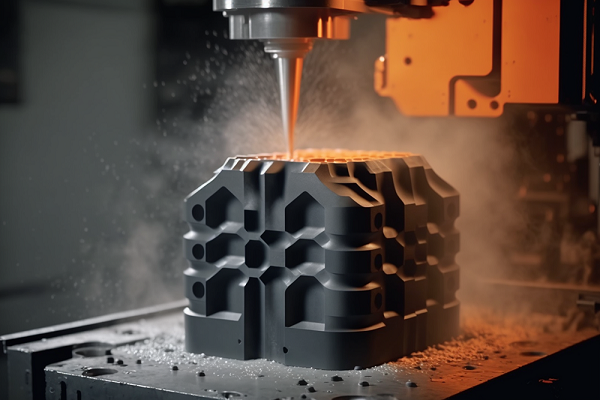
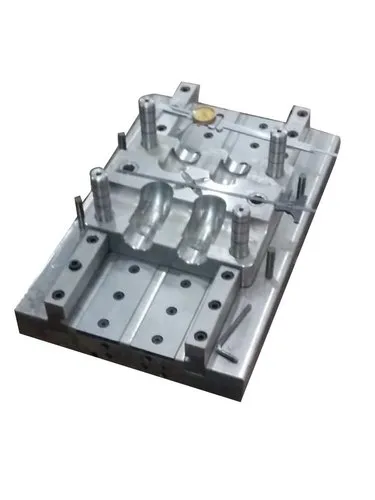
The cosmetics industry is continuously evolving, driven by changing consumer preferences, sustainability goals, and technological advancements. As manufacturers strive to create innovative packaging and product designs while improving efficiency and reducing environmental impact, mould technology is playing an increasingly important role. Future innovations in cosmetic mould technology are expected to transform product development, manufacturing processes, and consumer experiences.
1. Smart Moulds with Integrated Sensors
One of the most promising developments is the adoption of smart moulds equipped with embedded sensors. These sensors can monitor critical parameters such as:
- Temperature distribution
- Pressure levels
- Material flow behavior
- Cooling efficiency
- Cycle times
Real-time data collection enables predictive maintenance, early defect detection, and process optimization, reducing downtime and improving product quality.
2. AI-Driven Mould Design and Optimization
Artificial Intelligence (AI) and machine learning are revolutionizing mould development by:
- Predicting potential manufacturing defects before production.
- Optimizing gate locations and runner systems.
- Improving cooling channel layouts.
- Reducing design iterations and development time.
AI-powered simulation tools help engineers create more efficient moulds with enhanced performance and lower operational costs.
3. Advanced Conformal Cooling Systems
Future cosmetic moulds will increasingly utilize conformal cooling channels produced through additive manufacturing techniques. Unlike traditional straight-line cooling channels, conformal cooling follows the exact contours of mould cavities.
Benefits:
- Faster cooling cycles
- Improved dimensional stability
- Reduced warpage and shrinkage
- Increased production efficiency
- Better surface finish quality
This technology is particularly beneficial for complex cosmetic packaging designs.
4. 3D Printed and Hybrid Moulds
Additive manufacturing is enabling the production of highly complex mould components that were previously difficult or impossible to manufacture.
Applications:
- Rapid prototyping
- Small-batch production
- Customized cosmetic packaging
- Complex cavity geometries
Hybrid moulds combining conventional machining and 3D-printed inserts will provide greater flexibility and shorter development cycles.
5. Sustainable and Eco-Friendly Moulding Solutions
As environmental regulations become stricter, cosmetic mould technology will increasingly focus on sustainability.
Future developments include:
- Moulds optimized for recycled plastics
- Processing of biodegradable polymers
- Reduced material waste through improved cavity design
- Energy-efficient mould cooling systems
- Lightweight packaging moulds requiring less raw material
These innovations support the growing demand for environmentally responsible cosmetic products.
6. Micro-Moulding for Miniature Cosmetic Products
The popularity of travel-size and sample-size cosmetics is creating demand for micro-moulding technologies capable of producing extremely small and precise components.
Examples:
- Mini lipstick containers
- Sample cream jars
- Compact applicator parts
- Precision dispensing components
Advanced machining and micro-tooling techniques will enhance accuracy while maintaining high-volume production capabilities.
7. Customization and Personalization Technologies
Consumers increasingly seek personalized cosmetic products and packaging. Future mould technologies will support mass customization through:
- Modular mould inserts
- Interchangeable cavity systems
- Rapid tooling solutions
- Digital design integration
Manufacturers will be able to produce customized packaging designs without investing in entirely new mould systems.
8. High-Gloss and Premium Surface Finishing
Luxury cosmetic brands demand packaging with superior aesthetics and tactile appeal.
Future mould technologies will incorporate:
- Nano-textured surfaces
- Laser-engraved decorative patterns
- Mirror-polished cavities
- Advanced coating technologies
These innovations will enhance visual appeal while reducing the need for secondary finishing operations.
9. Digital Twin Technology
Digital twin technology creates a virtual replica of a physical mould, allowing manufacturers to monitor and simulate mould performance throughout its lifecycle.
Advantages:
- Real-time performance monitoring
- Predictive maintenance planning
- Faster troubleshooting
- Improved production consistency
- Extended mould lifespan
Digital twins will become an important tool in smart manufacturing environments.
10. Automation and Industry 4.0 Integration
Future cosmetic moulding facilities will increasingly integrate mould systems with automated production environments.
Features include:
- Robotic part handling
- Automated quality inspection
- Real-time production analytics
- Connected manufacturing systems
- Remote monitoring capabilities
This integration will improve efficiency, reduce labor costs, and ensure consistent product quality.
11. Anti-Counterfeit and Security Features
As counterfeit cosmetic products continue to pose challenges, mould technology will help manufacturers incorporate security features directly into packaging.
Examples:
- Micro-texturing
- Hidden identification marks
- Unique embossed patterns
- Traceability codes moulded into components
These features enhance product authenticity and brand protection.
Conclusion
The future of cosmetic mould technology is being shaped by smart manufacturing, artificial intelligence, sustainability initiatives, additive manufacturing, and advanced automation. Innovations such as sensor-enabled moulds, conformal cooling, digital twins, micro-moulding, and customizable tooling solutions will help cosmetic manufacturers improve efficiency, reduce costs, enhance product quality, and meet evolving consumer demands. As these technologies continue to mature, they will play a critical role in driving innovation and competitiveness within the global cosmetics industry.