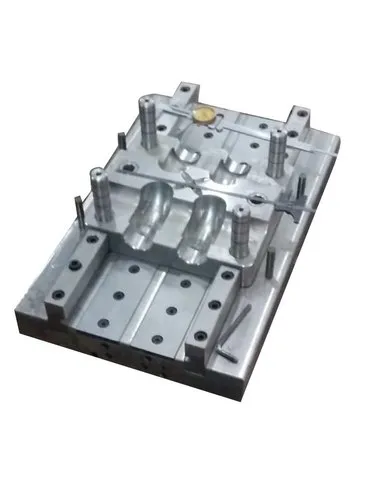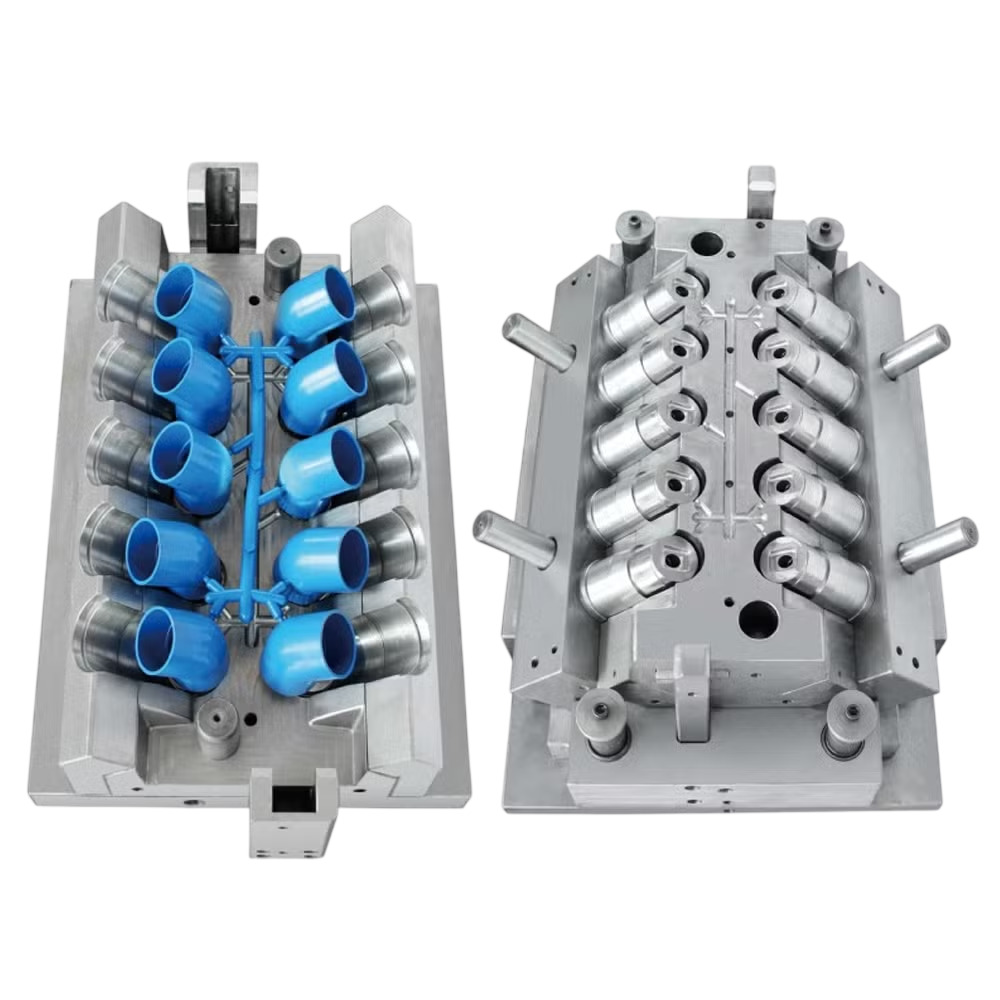
Injection moulds are specially designed tools used in injection moulding to produce plastic parts and products. Molten plastic is injected into the mould cavity under pressure, where it cools and takes the desired shape.
Different types of injection moulds are used depending on the product design, material, production volume, and manufacturing requirements.
1. Two-Plate Mould
A two-plate mould is one of the simplest and most commonly used injection mould designs. It consists mainly of two plates that separate along a single parting line.
Common uses: Plastic containers, household products, basic components, and simple molded parts.
2. Three-Plate Mould
A three-plate mould contains an additional plate that allows the runner system to separate from the molded product automatically.
Advantages:
- Flexible gate positioning
- Suitable for multi-cavity moulds
- Can improve the appearance of the finished product
3. Hot Runner Mould
Hot runner moulds use heated channels to keep the plastic in a molten state as it travels to the cavities.
Advantages:
- Reduced material waste
- Faster production cycles
- No conventional cold runner to remove from each part
4. Cold Runner Mould
In a cold runner mould, the runner system cools along with the molded parts. The runner is normally removed after moulding and may require trimming or recycling.
Advantages:
- Simpler mould construction
- Lower initial mould cost
- Suitable for many general-purpose applications
5. Single-Cavity Mould
A single-cavity mould produces one part per injection cycle.
It is often used for prototypes, low-volume production, large components, or products where frequent design changes are expected.
6. Multi-Cavity Mould
A multi-cavity mould contains two or more identical cavities and produces multiple parts during each injection cycle.
Advantages:
- Higher production output
- Reduced cost per part at suitable production volumes
- Efficient for large-scale manufacturing
7. Family Mould
A family mould contains cavities for different but related parts in the same mould.
For example, several components of one product may be molded during the same cycle.
8. Insert Mould
Insert moulding involves placing a pre-made component, such as a metal insert, into the mould before injecting the plastic around it.
Common uses: Electrical components, threaded parts, connectors, and reinforced plastic components.
9. Overmould
An overmould is used to mould one material over an existing component or previously molded part.
Common uses: Soft-grip handles, tool grips, seals, buttons, and multi-material products.
10. Unscrewing Mould
Unscrewing moulds are designed for products with internal or external threads. A mechanical or hydraulic mechanism rotates the threaded core or component to release the finished part.
Common uses: Caps, threaded containers, fittings, and closures.
11. Stack Mould
A stack mould has multiple moulding levels or stacks arranged within the moulding system. It can produce several sets of parts in a single machine cycle.
Main benefit: Increased production capacity without necessarily requiring a larger injection machine.
12. Two-Color or Two-Material Mould
These moulds are designed to produce parts using two different colors or materials in one manufacturing process.
Common uses: Automotive components, handles, consumer products, and decorative plastic parts.
Choosing an Injection Mould
The appropriate mould type depends on:
- Product design and complexity
- Required production quantity
- Plastic material
- Number of parts required per cycle
- Parting-line requirements
- Gate and runner design
- Required surface finish
- Automation requirements
- Production cost and cycle time
In Short
Injection moulds come in different designs, including two-plate, three-plate, hot runner, cold runner, single-cavity, multi-cavity, family, insert, overmould, unscrewing, stack, and two-material moulds. The right mould design depends on the product, material, production volume, and manufacturing requirements.