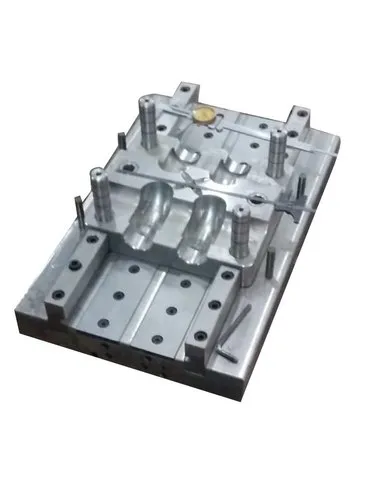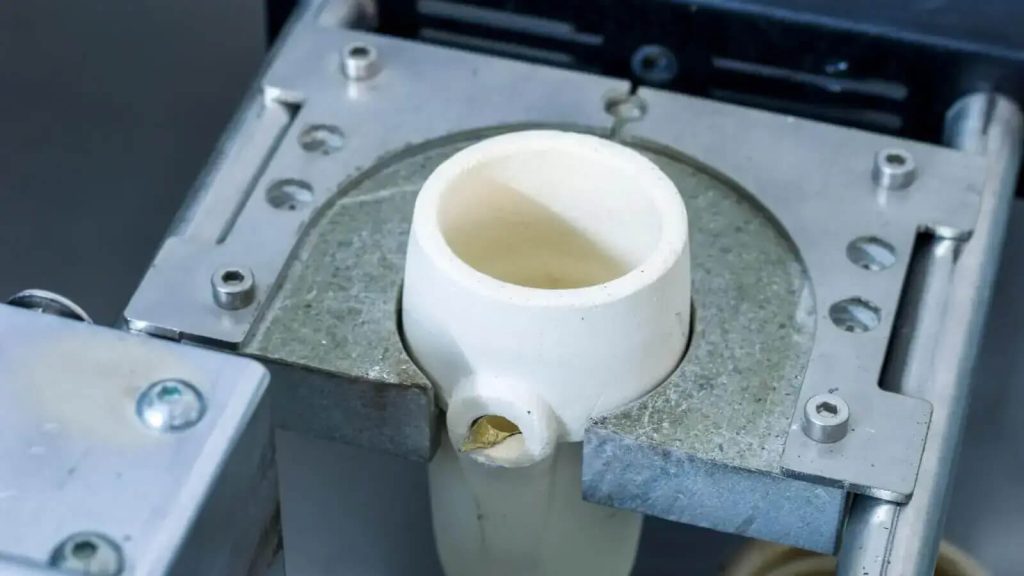
A vacuum forming mould is a tool used in the thermoforming process to shape heated plastic sheets into specific forms. Vacuum forming is widely used to manufacture packaging, trays, covers, containers, display products, and various custom plastic components.
What Is a Vacuum Forming Mould?
A vacuum forming mould, also called a forming tool, provides the shape that the heated plastic sheet takes during the forming process.
Unlike injection moulding, where molten plastic is injected into a closed mould under pressure, vacuum forming starts with a flat plastic sheet. The sheet is heated until it becomes soft and flexible, placed over the mould, and vacuum pressure pulls the sheet tightly against the mould surface.
How Vacuum Forming Works
The basic process involves these steps:
1. Plastic Sheet Preparation
A suitable thermoplastic sheet is positioned in the vacuum forming machine.
2. Heating
The sheet is heated until it reaches the appropriate forming temperature and becomes flexible.
3. Positioning Over the Mould
The softened sheet is moved over or around the mould.
4. Vacuum Application
Air is removed from between the plastic sheet and mould. Atmospheric pressure pushes the softened plastic tightly against the mould surface.
5. Cooling
The formed plastic is allowed to cool while maintaining its shape.
6. Removal and Trimming
After cooling, the finished part is removed from the mould and excess material is trimmed.
Types of Vacuum Forming Moulds
Common mould options include:
- Male/Positive Moulds – The plastic forms over the outside surface of the mould.
- Female/Negative Moulds – The plastic forms inside a cavity.
- Single-Cavity Moulds – Produce one component at a time.
- Multi-Cavity Moulds – Allow several similar parts to be formed in one cycle.
- Textured Moulds – Used to create patterns or surface textures on the plastic.
Materials Used for Moulds
Vacuum forming moulds can be manufactured from materials such as:
- Aluminum
- Epoxy or polyurethane tooling materials
- Wood for prototypes
- Plaster or other specialized tooling materials
The choice depends on production volume, required surface finish, temperature requirements, and tooling cost.
Advantages of Vacuum Forming Moulds
- Suitable for large and relatively thin plastic parts
- Lower tooling cost for many applications compared with injection moulding
- Faster development of prototypes
- Suitable for relatively simple to moderately complex shapes
- Can create detailed surface textures
- Useful for both prototype and production applications
Important Design Considerations
When designing a vacuum forming mould, consider:
- Draft angles for easy part removal
- Uniform wall thickness
- Proper vacuum holes and air evacuation
- Corners and deep draws
- Surface finish
- Material shrinkage
- Cooling requirements
- Trimming requirements
Vacuum Forming vs. Injection Moulding
| Feature | Vacuum Forming | Injection Moulding |
|---|---|---|
| Starting material | Plastic sheet | Plastic pellets/granules |
| Forming method | Vacuum pressure | Injection pressure |
| Tooling | Generally simpler | Generally more complex |
| Tooling cost | Often lower | Often higher |
| Suitable products | Trays, covers, packaging | Complex plastic components |
| Production speed | Moderate | Generally high |
In Short
A vacuum forming mould provides the shape for a heated plastic sheet during thermoforming. The vacuum pulls the softened sheet against the mould, creating the required shape. Vacuum forming is particularly useful for packaging, trays, covers, prototypes, and large plastic components.