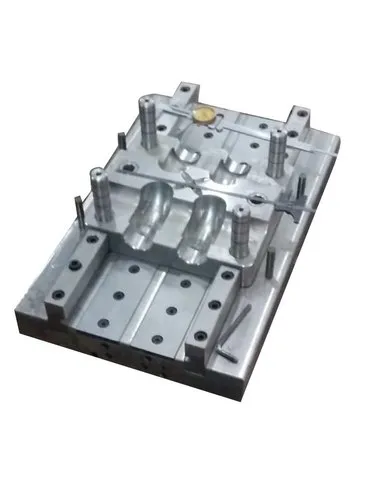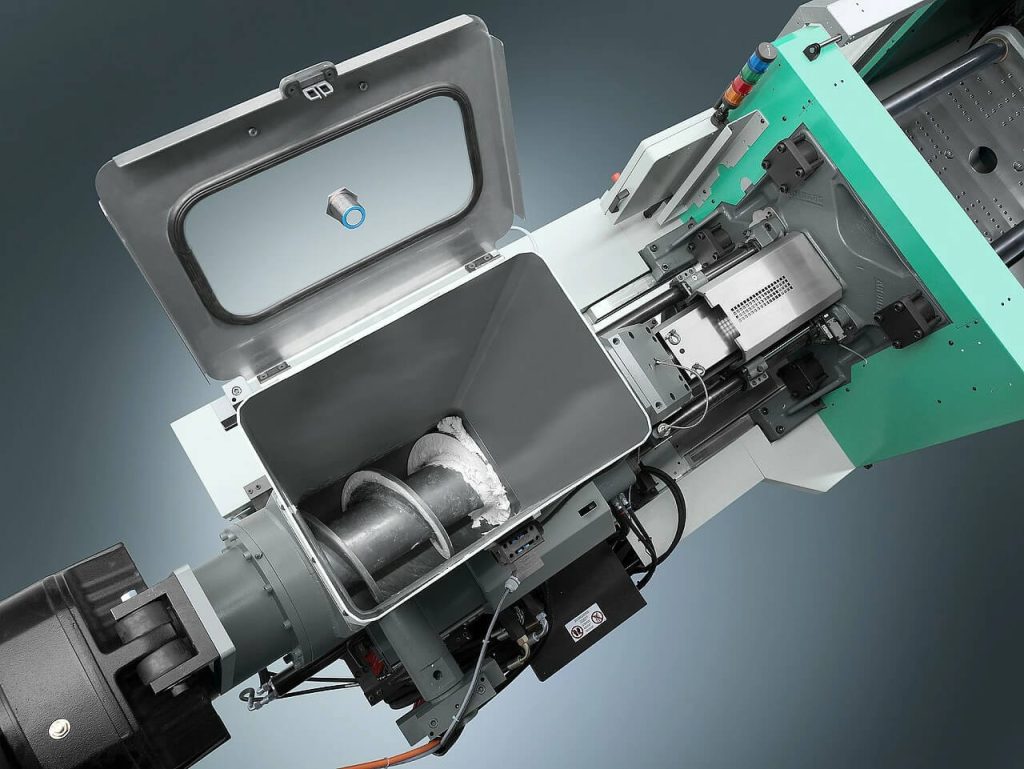
Thermoset compression moulding is a manufacturing process used to produce plastic and composite components from thermosetting materials. A measured quantity of material is placed into a heated mould cavity, and pressure is applied to form the material. Heat causes the material to cure and permanently harden.
Unlike thermoplastics, thermosetting materials cannot normally be melted and reshaped after they have cured.
How Thermoset Compression Moulding Works
1. Material Preparation
The required amount of thermosetting material is measured and prepared. It may be supplied as a compound, preform, sheet, or other suitable form.
2. Mould Preparation
The mould is cleaned and heated to the required processing temperature. A suitable release agent may be applied when required.
3. Material Loading
The measured material is placed into the mould cavity.
4. Mould Closing
The mould is closed and pressure is applied using a compression moulding press.
5. Heating and Curing
Heat causes the thermosetting material to soften and flow into the cavity. Continued heat and pressure initiate the chemical curing reaction.
6. Cooling
The molded component may be cooled under controlled conditions before removal.
7. Part Removal
The cured component is removed from the mould and any excess flash is trimmed.
Common Thermoset Materials
Thermoset compression moulding can be used with materials such as:
- Phenolic compounds
- Melamine-formaldehyde compounds
- Urea-formaldehyde compounds
- Epoxy-based compounds
- Sheet Moulding Compound (SMC)
- Bulk Moulding Compound (BMC)
- Certain rubber and composite materials
Advantages of Thermoset Compression Moulding
1. High Strength
Thermoset materials can provide good mechanical strength and dimensional stability.
2. Heat Resistance
Many thermosetting materials maintain their properties at elevated temperatures.
3. Good Surface Finish
The mould can provide a smooth and consistent surface finish.
4. Complex Shapes
Compression moulding can produce components with various shapes, textures, ribs, and other features.
5. Suitable for Reinforced Materials
Materials reinforced with glass, carbon, or other fibers can be processed using compression moulding.
6. Low Material Waste
With appropriate charge preparation and mould design, material waste can be controlled.
Applications
Thermoset compression moulding is used for products such as:
- Electrical switches and housings
- Automotive components
- Appliance components
- Handles and knobs
- Industrial components
- Electrical insulation parts
- Composite panels
- Structural components
Thermoset vs. Thermoplastic Compression Moulding
| Feature | Thermoset | Thermoplastic |
|---|---|---|
| Curing | Chemical curing occurs | No permanent chemical cure |
| After heating | Cannot normally be remelted | Can generally be reheated |
| Shape after curing | Permanent | Can potentially be reshaped |
| Heat resistance | Often high | Depends on material |
| Common materials | Phenolic, melamine, epoxy | PP, PE, PA and others |
Important Process Parameters
Successful thermoset compression moulding depends on controlling:
- Mould temperature
- Pressure
- Material quantity
- Curing time
- Material flow
- Cooling conditions
- Mould design
- Release system
In Short
Thermoset compression moulding uses heat and pressure to shape and permanently cure thermosetting materials. It is widely used for strong, heat-resistant, dimensionally stable components and is particularly suitable for electrical, automotive, industrial, and composite applications.