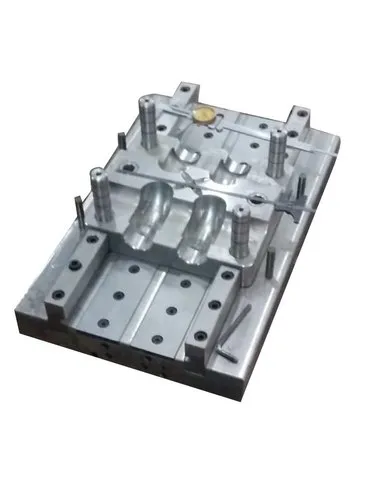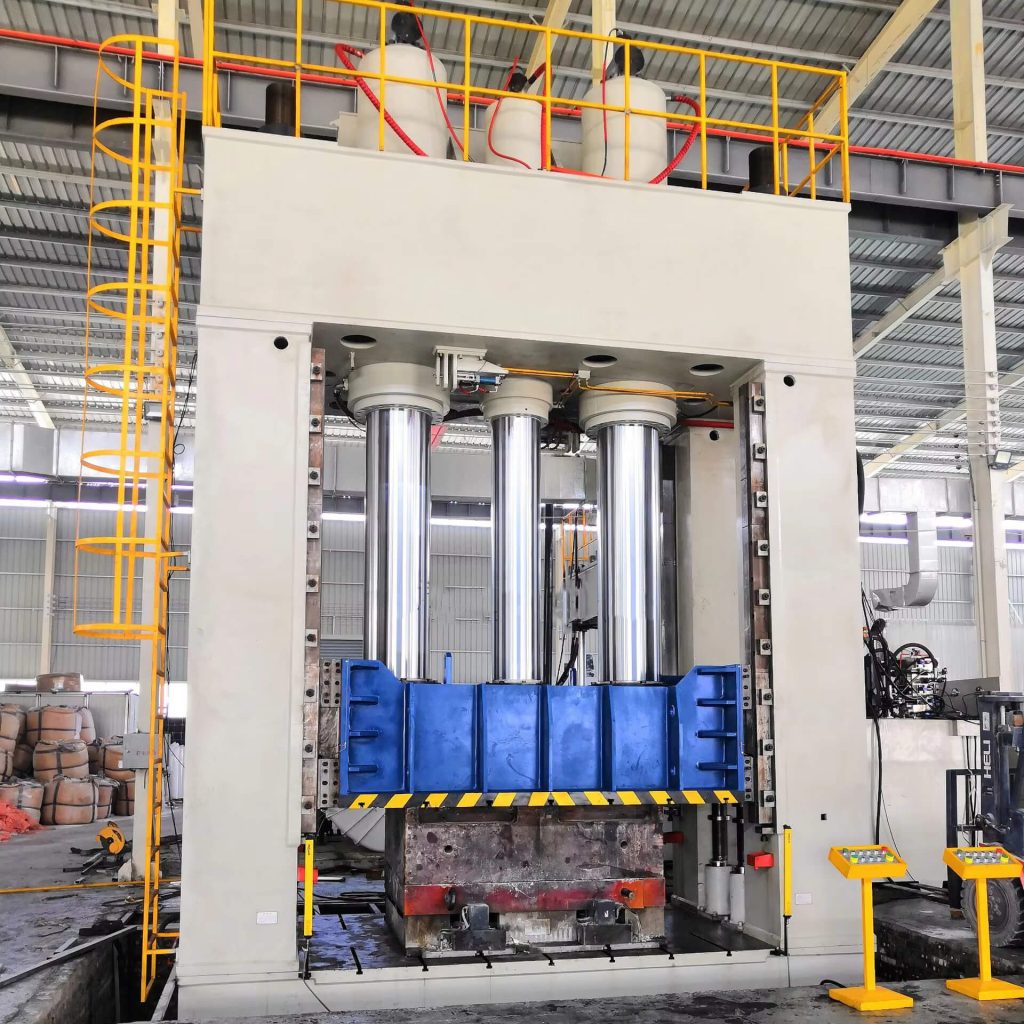
Positive compression moulds are a type of compression moulding tool designed with a closely fitting punch and cavity to produce components with precise dimensions, controlled material thickness, and minimal flash. In this moulding process, a measured quantity of moulding material is placed into the mould cavity, and the punch applies direct compression to force the material to flow and conform to the required component geometry.
Unlike flash-type compression moulds, positive compression moulds have a close-fitting punch that occupies most of the cavity space, restricting excess material from escaping through the parting line. The mould applies controlled pressure and heat to the material, allowing it to flow, cure, or solidify before the finished component is removed.
Positive compression moulds are commonly used for manufacturing electrical insulation components, switchgear parts, thermoset plastic components, industrial housings, rigid moulded products, and precision engineering parts.
Key Advantages
- Minimal Flash Formation: Close-fitting mould components restrict excess material flow and reduce flash.
- Dimensional Accuracy: Provide controlled cavity geometry for producing components with consistent dimensions.
- Uniform Material Compression: Apply direct pressure to the moulding material for effective cavity filling.
- Improved Surface Finish: Support the production of components with smooth and consistent surfaces.
- Reduced Material Waste: Minimize excess material loss during the moulding process.
- Consistent Component Quality: Support repeatable moulding conditions and uniform product characteristics.
- Reduced Trimming Requirements: Minimize post-moulding finishing operations associated with flash removal.
- Robust Mould Construction: Provide durable tooling for repeated compression moulding cycles.
Key Design Considerations
- Punch and Cavity Clearance: Maintain precise clearances between the punch and cavity to allow proper material flow while minimizing flash.
- Material Charge: Accurately calculate the quantity of moulding material required to fill the cavity and prevent excessive compression.
- Pressure Distribution: Ensure uniform compression pressure across the moulding area to achieve consistent material density and product quality.
- Heating System: Maintain suitable and uniform mould temperatures to support effective material flow and curing.
- Venting: Incorporate appropriate venting provisions to release trapped air and gases during mould closure.
- Mould Alignment: Ensure accurate alignment between the punch and cavity to prevent uneven loading, wear, and dimensional defects.
- Ejection System: Design a suitable ejection mechanism to remove finished components without causing damage.
- Mould Strength: Provide sufficient structural strength to withstand repeated high-pressure compression cycles.
Applications of Positive Compression Moulds
- Electrical switches and insulation components
- Thermoset plastic housings
- Industrial machine components
- Rigid engineering parts
- Electrical connectors and terminal components
- Precision moulded components
- Automotive and appliance parts
Importance of Positive Compression Mould Design
Positive compression moulds require precise control of the punch-to-cavity fit, material charge, temperature, and compression pressure. Since excess material has limited space to escape, an incorrect material charge or unsuitable mould clearance can result in incomplete filling, excessive pressure, trapped gases, or damage to the mould.
Proper mould design and process optimization help achieve accurate dimensions, reliable material compression, minimal flash, and consistent curing. Material flow characteristics and the need for suitable venting must also be considered during the design stage.
A properly engineered positive compression mould provides high dimensional accuracy, minimal flash, reduced material waste, consistent surface quality, and reliable production performance, making it suitable for precision components and applications where close dimensional control is required.