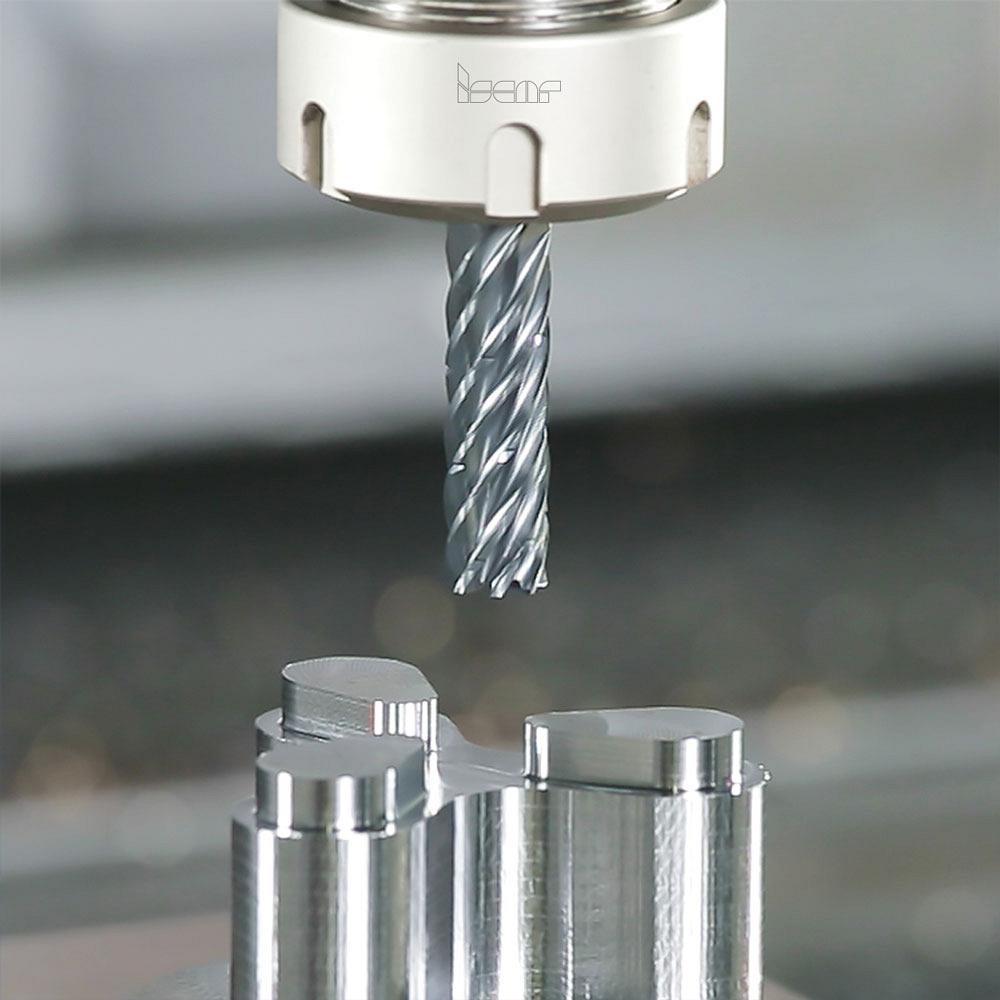
High-speed machining (HSM) has revolutionized the die-making industry by enabling faster production, improved surface quality, and extended tool life. Die making, a critical process in the manufacturing of molds for casting, forging, and injection molding, benefits significantly from the continuous technological advancements in HSM. Below is a comprehensive look at the recent advances in high-speed machining for die making.
1. Overview of High-Speed Machining (HSM)
High-speed machining involves cutting materials at significantly higher speeds and feeds than conventional machining. In die making, where complex geometries and high surface finish are required, HSM offers numerous advantages:
Reduced machining time
Improved dimensional accuracy
Superior surface finish
Minimized thermal distortion
Extended tool life
2. Technological Advances in HSM for Die Making
a. Advanced CNC Machine Tools
Modern CNC machines for HSM feature:
High-speed spindles (20,000–60,000 RPM) for fine cutting
Linear motors for faster axis movements
Thermal stability control to prevent deformation
Dynamic stiffness and vibration damping to maintain accuracy at high speeds
These machines are capable of achieving complex 3D contours required in dies with minimal manual finishing.
b. Cutting Tool Innovations
Cutting tools have evolved to support HSM:
Coated carbide, CBN, PCD, and ceramic tools provide higher heat resistance and wear life.
Micro-grain carbide tools offer better toughness and sharpness.
Optimized geometries (e.g., variable helix, rake angle) reduce chatter and improve chip evacuation.
These innovations allow efficient machining of hardened steels (up to 60 HRC) commonly used in die making.
c. CAM Software Enhancements
Advanced Computer-Aided Manufacturing (CAM) software plays a crucial role:
High-efficiency toolpaths (e.g., trochoidal, adaptive clearing) reduce cycle time and tool wear.
5-axis machining support allows more complex die geometries and fewer setups.
Simulation and verification features prevent tool collisions and improve process planning.
Modern CAM systems enable seamless integration from CAD models to final machining.
d. Process Monitoring and Automation
Integration of smart sensors and automation systems leads to:
Real-time monitoring of temperature, vibration, and tool wear
Adaptive control to adjust cutting parameters dynamically
Automated tool changers and pallet systems for continuous operation
These systems help reduce downtime and enhance precision.
3. Benefits of HSM in Die Making
Shorter Lead Times: High metal removal rates and reduced need for polishing accelerate production.
Better Surface Quality: Direct machining of near-finished surfaces minimizes manual intervention.
Machining of Hardened Materials: Eliminates the need for soft machining and subsequent hardening.
Improved Die Life: Accurate, stress-free dies improve performance in actual forming or molding operations.
4. Challenges and Considerations
Despite its benefits, HSM requires:
High initial investment in machines and tooling
Skilled operators familiar with high-speed processes
Precise process planning to avoid tool breakage and heat issues
Manufacturers must balance productivity with cost and complexity when adopting HSM technologies.
5. Future Trends in HSM for Die Making
Hybrid manufacturing (additive + subtractive) for complex dies
AI-driven machining optimization
Cloud-based CAM and digital twins
More sustainable machining with dry or minimum quantity lubrication (MQL)
These trends aim to further increase efficiency, reduce environmental impact, and enable even more complex and precise die production.
Conclusion
High-speed machining continues to reshape the die-making landscape by delivering greater precision, speed, and efficiency. As machine tools, cutting tools, and software continue to evolve, die manufacturers can expect even greater improvements in productivity and competitiveness. However, successful implementation requires a strategic approach to technology investment, workforce training, and process integration.