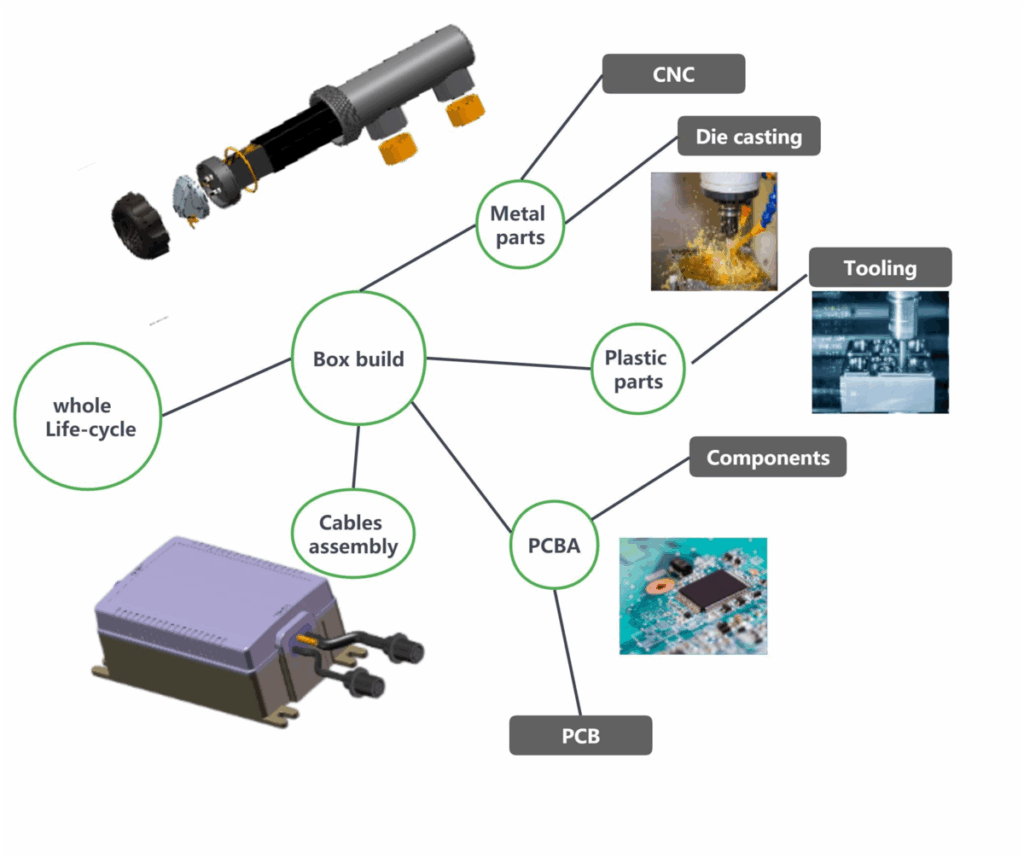
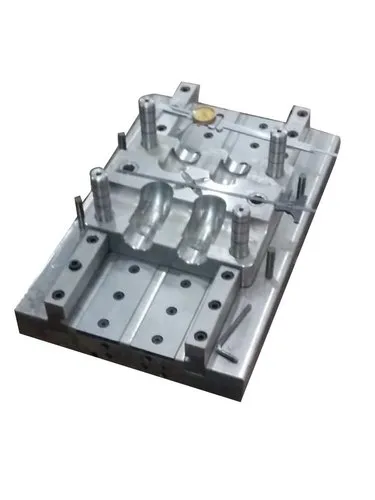
Die Life Cycle Management (DLCM) refers to the systematic approach to managing the entire life span of a die — from its initial design and manufacturing through its use in production, maintenance, refurbishment, and eventual retirement or disposal. This process ensures optimal performance, maximized tool life, reduced downtime, and cost-efficiency in manufacturing operations, particularly in industries such as automotive, aerospace, and consumer goods.
Objectives of Die Life Cycle Management
Maximize die productivity and longevity
Ensure consistent part quality
Minimize production downtime
Optimize maintenance planning
Reduce tooling costs
Improve traceability and accountability
Phases of Die Life Cycle
1. Design and Development
Die concept development based on product specifications
Material selection for die components
Simulation and analysis (e.g., forming simulation, stress analysis)
Design for maintainability and ease of repair
2. Manufacturing / Fabrication
CNC machining, EDM, grinding, and assembly of die components
Quality inspection of die parts
Die trial and commissioning
3. Production Use
Deployment in stamping/forging/casting operations
Monitoring of production parameters
Part quality checks to detect tool wear or damage
4. Maintenance and Repair
Preventive maintenance schedules
Predictive maintenance using sensors and data analysis
Die repair and replacement of worn-out components
Documentation of issues and corrective actions
5. Refurbishment / Reconditioning
Major overhauls to extend tool life
Surface treatment, hardening, and component upgrades
Re-qualification before reuse in production
6. End-of-Life / Disposal
Evaluation for possible reuse or recycling
Safe disposal of non-reusable parts
Data logging for lessons learned and future die designs
Key Components of DLCM
1. Die Tracking System
Use of barcodes, RFID, or QR codes for die identification
Real-time tracking of die usage, location, and condition
2. Die History Database
Complete lifecycle record: usage hours, maintenance, failures, etc.
Helps in predictive maintenance and performance benchmarking
3. Preventive & Predictive Maintenance
Scheduled inspections and service based on cycle counts or time
Use of sensors and AI to predict failures before they occur
4. Performance Monitoring
Metrics: number of strokes, downtime, repair frequency, cost per part
Analysis to identify high-performing or problematic dies
5. Spare Parts Management
Inventory management of die components
Standardization to reduce lead times for replacement
Benefits of Effective Die Life Cycle Management
Extended Die Life: Reduces the need for frequent die replacements.
Improved Product Quality: Consistent part dimensions and tolerances.
Reduced Downtime: Fewer unplanned stops and quicker changeovers.
Cost Savings: Lower tool maintenance and rework costs.
Data-Driven Decisions: Enables continuous improvement in tooling design and usage.
Technologies Supporting DLCM
Computerized Maintenance Management Systems (CMMS)
Manufacturing Execution Systems (MES)
Internet of Things (IoT) sensors for die health monitoring
Cloud-based analytics for predictive insights
PLM (Product Lifecycle Management) integration
Best Practices
Standardize die design documentation and maintenance procedures.
Train operators and maintenance teams regularly.
Integrate die management with overall production systems.
Conduct root cause analysis for frequent die failures.
Use historical data for new die development and procurement decisions.
Conclusion
Die Life Cycle Management is a critical aspect of modern manufacturing operations. By proactively managing dies throughout their life cycle, companies can ensure higher reliability, lower costs, and improved efficiency in their production processes. Implementing robust DLCM practices is not just a maintenance strategy — it is a competitive advantage in today’s quality-driven and cost-conscious manufacturing landscape.