The global cosmetics industry is a multi-billion dollar market that faces significant challenges from counterfeit products. These fake items not only harm brand reputation but can also pose serious health risks to consumers. To combat this, manufacturers are increasingly integrating anti-counterfeit features directly into cosmetic moulding. These features provide both visible and covert means of authentication and traceability, enhancing brand protection and consumer safety.
1. Tamper-Evident Packaging
Tamper-evident features are designed to show clear signs if a product has been opened or interfered with before purchase.
Breakable seals integrated into the moulded cap or closure
Snap-on lids that show damage if pried open
Heat-shrink bands or moulded tear strips that cannot be resealed once opened
2. Unique Mould Designs
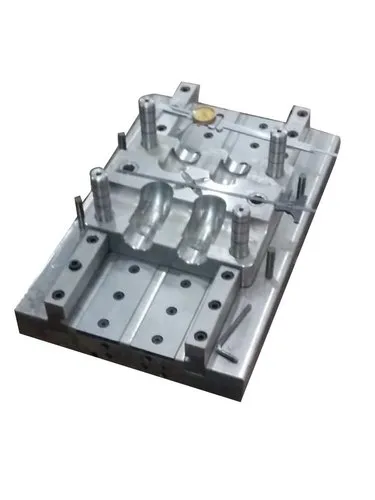
Developing customized and proprietary moulds makes duplication more difficult.
Proprietary shapes and contours that are hard to replicate
Complex geometries or surface textures embedded during injection moulding
Multi-component moulded packaging requiring specialized equipment
3. Microtext and Nanotexture
These are advanced technologies used to include extremely small or intricate text or patterns directly onto the packaging.
Microtext (visible only under magnification) embedded in the moulded surface
Nanotextures or micro-optical patterns for visual effects like holograms or kinetic movement
Difficult to copy without high-precision manufacturing equipment
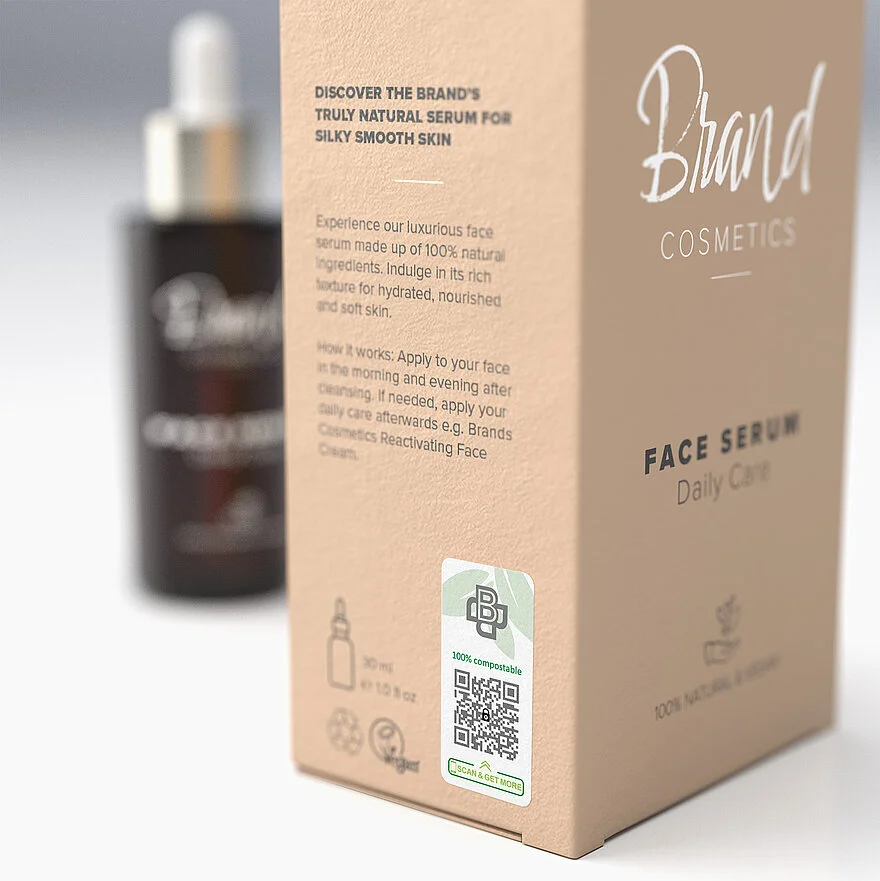
4. Serialization and QR Codes
Integrating traceable data during moulding or post-processing helps with product authentication and supply chain visibility.
Laser-etched or moulded QR codes, barcodes, or serial numbers
Allows consumers and retailers to verify authenticity via smartphone apps
Can be linked to blockchain or cloud-based traceability platforms
5. Embedded Security Pigments
Special pigments can be added to the moulding material that are invisible to the naked eye but can be detected under specific conditions.
UV-fluorescent or infrared-sensitive pigments
Thermochromic or photochromic inks that change with temperature or light
Can be used in logos, batch numbers, or decorative elements
6. Smart Packaging Integration
Incorporating electronics or smart components into moulded packaging adds an extra layer of security.
NFC chips or RFID tags embedded in caps or containers
Enable contactless scanning to verify authenticity and track logistics
Integration with smartphone apps for consumer engagement
7. Brand-Specific Design Elements
Many companies use distinctive, patented packaging elements as a brand signature.
Unique logo embossing or engraving during moulding
Signature colour combinations or finishes only available to that brand
Integrated holographic films moulded under transparent plastic layers
8. Authentication Labels and Overlays
Although not strictly part of the mould, security labels can be applied post-moulding with integrated features.
Tamper-proof holographic seals
Void-if-removed stickers applied to the closure area
Combination of overt (visible) and covert (hidden) security cues
Conclusion
Anti-counterfeit features in cosmetic moulding play a vital role in safeguarding brand integrity and consumer trust. By combining physical, digital, and visual technologies, cosmetic manufacturers can stay ahead of counterfeiters and provide a secure and premium experience to their customers. As counterfeit methods grow more sophisticated, so too must the anti-counterfeit strategies — making innovation in mould design and security integration more critical than ever.