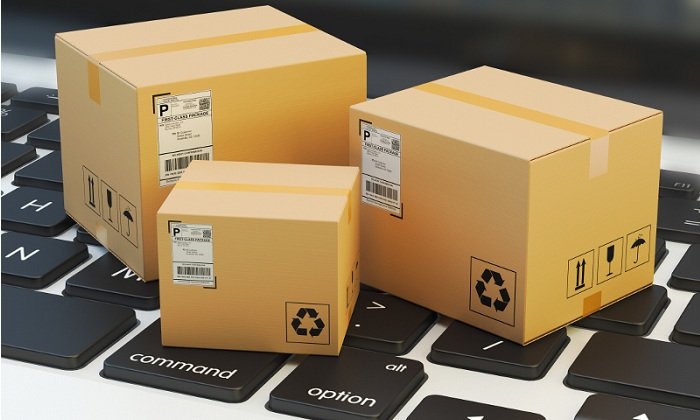
The Internet of Packaging (IoP) refers to the integration of digital technologies into packaging systems to enhance functionality, interactivity, and data communication. One key innovation within IoP is the development of smart closures—advanced caps, lids, or seals embedded with technology to monitor, communicate, or control the condition of packaged goods.
What are Smart Closures?
Smart closures are packaging components designed not just to seal a product, but also to collect data, ensure product integrity, and interact with users. They often incorporate technologies such as:
NFC (Near Field Communication)
RFID (Radio Frequency Identification)
Sensors (temperature, humidity, pressure, tamper-detection)
Bluetooth or Wi-Fi modules
QR codes or digital watermarks
Key Features and Functions
Product Authentication & Anti-Counterfeiting
Smart closures can verify product authenticity using embedded RFID/NFC chips.
Consumers or distributors can scan the closure using smartphones to confirm the legitimacy of the product.
Tamper Evidence
Closures can be equipped with tamper-evident technology that records if the product has been opened or altered.
Alerts can be sent to manufacturers or end-users in real time.
Environmental Monitoring
Embedded sensors can track storage conditions like temperature and humidity.
Crucial for pharmaceuticals, food, and beverages where shelf-life is temperature-sensitive.
Consumer Engagement
Smart closures can link to digital content via QR codes or NFC—e.g., usage instructions, promotional content, or recycling information.
Enhances brand interaction and customer experience.
Supply Chain Visibility
With real-time data logging, manufacturers can track the product’s journey across the supply chain.
Enables better inventory management, fraud detection, and logistics optimization.
Applications of Smart Closures
Pharmaceuticals: Ensures medicine hasn’t been tampered with and remains effective throughout distribution.
Alcohol & Beverages: Confirms authenticity and tracks opening events to combat counterfeiting.
Food Packaging: Monitors freshness and provides consumers with information about origin and quality.
Cosmetics & Personal Care: Verifies genuine products and can trigger digital content when opened.
Benefits of Smart Closures
Enhanced consumer safety
Improved brand protection
Increased supply chain transparency
Greater regulatory compliance
Opportunities for personalized marketing
Challenges & Considerations
Cost: Integrating technology into closures increases packaging costs.
Privacy: Handling consumer data requires compliance with privacy regulations (e.g., GDPR).
Recyclability: Smart materials may impact sustainability goals if not properly managed.
Technology Integration: Requires careful design to ensure compatibility with existing systems and consumer devices.
Future Outlook
As Industry 4.0 and IoT evolve, smart closures are expected to become more sophisticated, affordable, and widespread. Advances in flexible electronics, AI-driven analytics, and biodegradable sensors will further drive innovation, making packaging not just a container but a powerful tool for communication, control, and connection.