Author name: admin

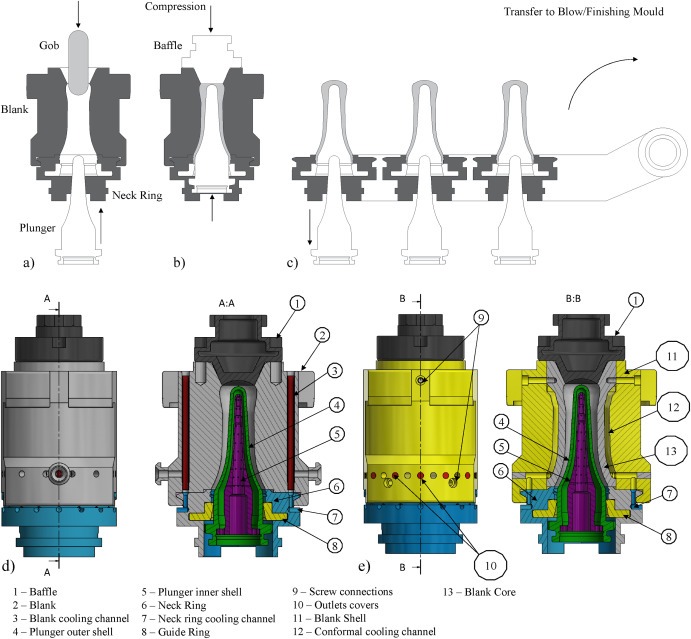
3D Printing in Mould Making

3D printing, also known as additive manufacturing, has revolutionized various industries by enabling rapid prototyping, customization, and complex geometrical fabrications. One of the significant applications of 3D printing is in mould making — a critical process in manufacturing for mass-producing parts through casting, injection molding, or other forming techniques. Traditionally, mould making involves time-consuming and

3D Printing in Mould Making Read More »

Heat treatment of die materials for longer life

Heat treatment is a critical process in enhancing the performance and service life of die materials used in various manufacturing industries, particularly in metal forming, die casting, forging, and plastic molding. The primary goal of heat treatment is to optimize the mechanical properties of the die material—such as hardness, toughness, wear resistance, and thermal fatigue

Heat treatment of die materials for longer life Read More »

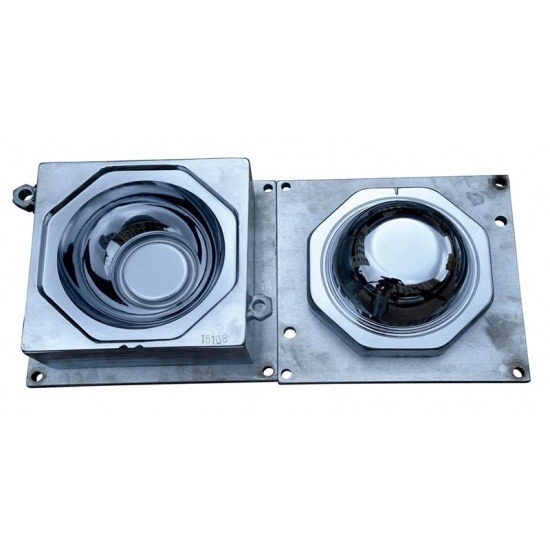
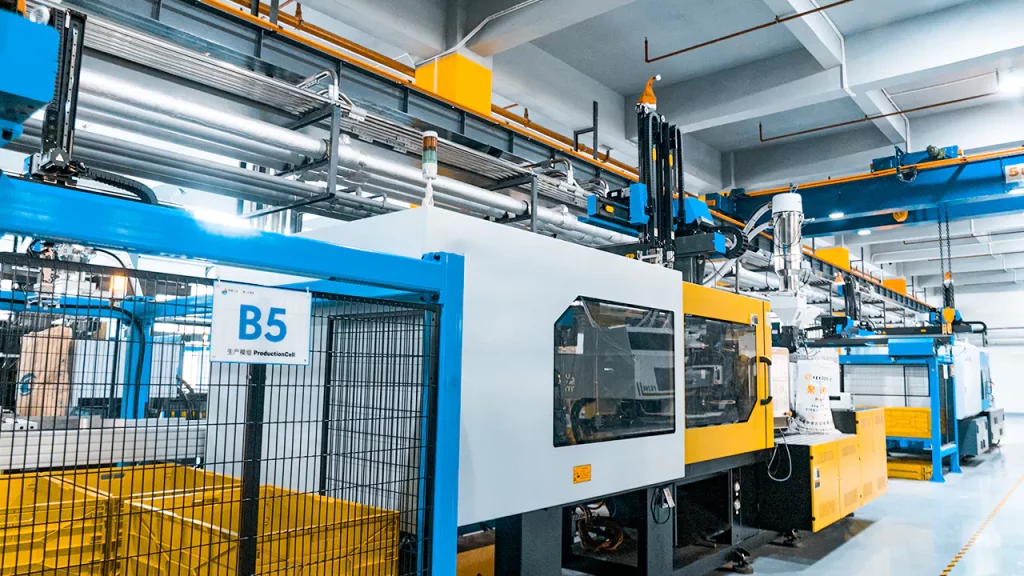
Manufacturing Methods for Injection Moulds

Injection moulds are critical tools in the plastic manufacturing industry, used to shape molten plastic into desired forms. The manufacturing of these moulds requires high precision, durability, and cost-efficiency. Various methods and technologies are employed to achieve these goals. Below are the primary manufacturing methods used in the production of injection moulds: 1. CNC Machining

Manufacturing Methods for Injection Moulds Read More »

Surface finishing techniques for houseware dies

Surface finishing is a critical process in the manufacturing of houseware dies, directly impacting the performance, durability, and aesthetic quality of the final products. Houseware items—such as cookware, utensils, and kitchen tools—often demand smooth, clean, and defect-free surfaces. Proper surface finishing of the dies used in their production ensures high-quality replication, longer tool life, and

Surface finishing techniques for houseware dies Read More »

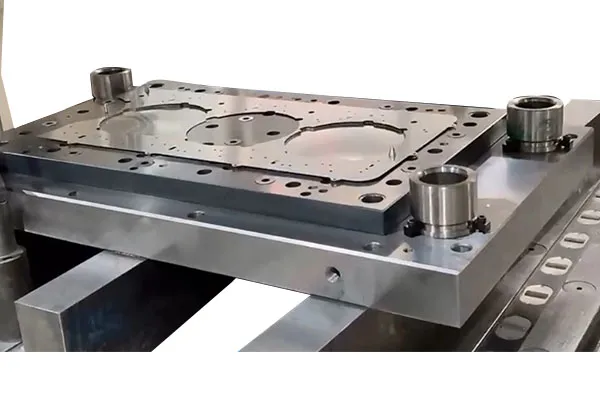
Standard vs. Custom Mould Base Design

1. Introduction The mould base is a critical component in the injection moulding process, serving as the foundation for the entire mould assembly. The choice between standard and custom mould base designs significantly impacts manufacturing lead time, cost, flexibility, and performance. 2. Standard Mould Base Design Definition: A standard mould base is pre-manufactured according to

Standard vs. Custom Mould Base Design Read More »

Surface Coatings for Mould Longevity

Moulds are critical tools in manufacturing processes such as injection moulding, die casting, and blow moulding. These tools are subjected to extreme conditions — including high temperatures, pressures, friction, and corrosive environments — which can significantly degrade their surface quality and structural integrity over time. To enhance the performance and extend the service life of

Surface Coatings for Mould Longevity Read More »

EDM (Electrical Discharge Machining) in die fabrication

Electrical Discharge Machining (EDM) is a non-traditional machining process that removes material from a workpiece using electrical discharges (sparks). It is particularly useful in die fabrication due to its ability to machine extremely hard materials and create intricate shapes that are difficult or impossible with conventional machining methods. Principle of EDM EDM operates on the

EDM (Electrical Discharge Machining) in die fabrication Read More »

Scroll to Top