Other

Tolerances and Precision Machining of Mould Components

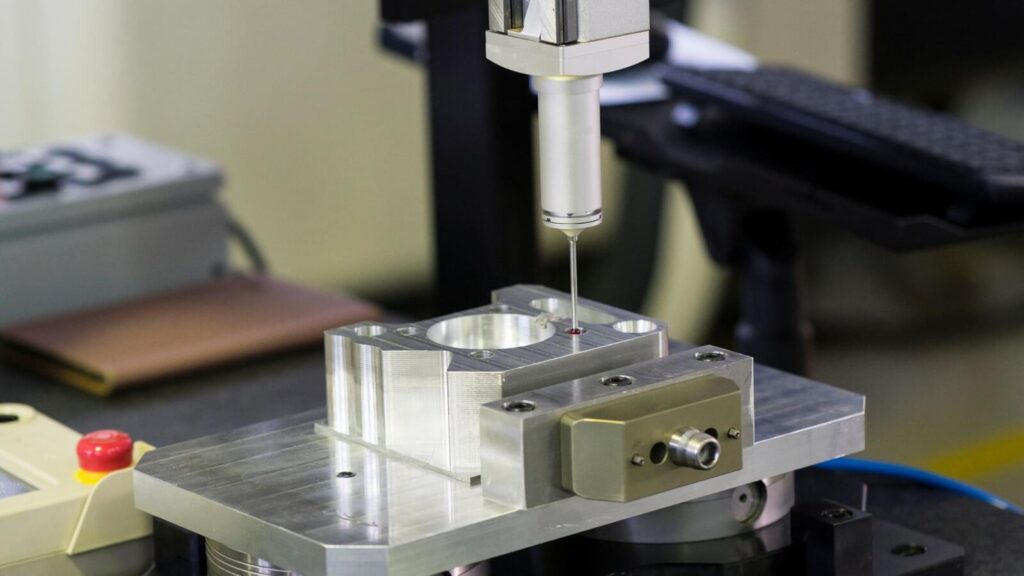
1. Introduction In the mould-making industry, precision and accuracy are critical. Mould components must fit together flawlessly to ensure proper functioning, minimize wear, and maintain part quality during production. Tolerances define the permissible limits of variation in a physical dimension, while precision machining ensures components are manufactured within these defined limits. Together, they are vital […]

Tolerances and Precision Machining of Mould Components Read More »
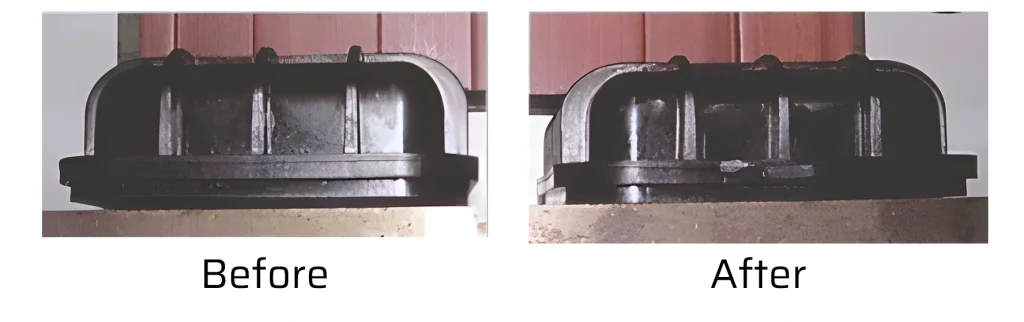
Cooling system maintenance in houseware dies

Efficient cooling systems are critical in houseware die applications, especially in processes like injection molding, die casting, or thermoforming. Proper cooling ensures dimensional accuracy, reduces cycle times, and prolongs die life. Neglecting maintenance can lead to product defects, increased wear, and operational downtime. 1. Importance of Cooling Systems in Houseware Dies Thermal Control: Maintains uniform

Cooling system maintenance in houseware dies Read More »

Polishing and Finishing Techniques for Dies

1. Introduction Polishing and finishing are critical post-machining processes in die manufacturing. These techniques enhance surface quality, improve dimensional accuracy, and extend the life of the die by reducing wear and friction. A well-polished die not only ensures the production of high-quality parts but also minimizes defects such as sticking, galling, and scoring. 2. Objectives

Polishing and Finishing Techniques for Dies Read More »

Process Optimization through Mould Design

In modern manufacturing, mould design plays a critical role in the overall efficiency, cost-effectiveness, and quality of production processes—particularly in plastic injection moulding, die casting, and metal forming industries. By focusing on intelligent and well-engineered mould designs, manufacturers can significantly optimize production processes, reduce cycle times, minimize material waste, and improve product consistency. 1. Understanding

Process Optimization through Mould Design Read More »

Common die failures and how to avoid them

Dies are essential tools in manufacturing processes like stamping, forging, extrusion, and injection molding. However, despite their precision and durability, dies are susceptible to various types of failures over time. Understanding these common die failures and implementing preventive strategies can significantly improve die life, reduce downtime, and ensure consistent product quality. 1. Wear and Abrasion

Common die failures and how to avoid them Read More »

Die Wear and Failure Analysis

1. Introduction Dies are essential tools in manufacturing processes such as forging, extrusion, stamping, and die casting. They are subjected to extreme mechanical, thermal, and chemical stresses, which can lead to wear and eventual failure. Understanding die wear mechanisms and conducting systematic failure analysis are crucial to extending die life, improving product quality, and reducing

Die Wear and Failure Analysis Read More »

Preventive maintenance for houseware mould dies

Houseware mould dies are critical tools used in the injection moulding process to produce a wide range of household plastic products such as containers, utensils, storage boxes, and more. These moulds are subject to repeated cycles of high pressure, heat, and wear, which can cause degradation over time. Preventive maintenance (PM) ensures long-term mould performance,

Preventive maintenance for houseware mould dies Read More »

CNC Machining in Mould Base Fabrication

CNC (Computer Numerical Control) machining plays a pivotal role in the precision manufacturing of mould bases, which are fundamental components in the tooling used for plastic injection moulding, die casting, and other mould-based production processes. The mould base serves as the foundation that holds all the mould components together, and its precision determines the performance,

CNC Machining in Mould Base Fabrication Read More »

Scroll to Top