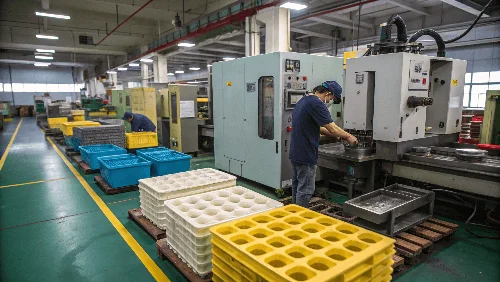
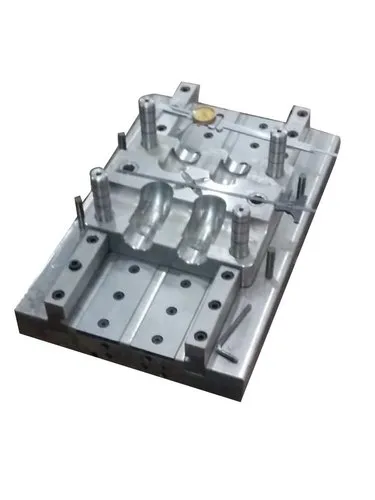
Mass production of houseware moulds—used in manufacturing everyday items like kitchen utensils, storage containers, and plastic household products—plays a crucial role in the consumer goods industry. However, this process presents a variety of technical, logistical, and economic challenges. Below are some of the key issues faced in this field:
1. Design Complexity and Customization
Frequent Design Changes: Consumer preferences change rapidly, and manufacturers often need to update or customize designs, which can be difficult and costly in mass production settings.
Complex Geometries: Modern houseware products often have intricate shapes and ergonomic designs, which require precise mould design and advanced simulation during development.
2. Material Selection and Compatibility
Wide Range of Materials: Houseware items may be made from different types of plastics (PP, HDPE, ABS, etc.) or metals, each requiring specific moulding conditions.
Material Shrinkage and Warpage: Different materials exhibit varying shrinkage rates, affecting final product accuracy and requiring compensation during mould design.
3. Mould Quality and Tooling Durability
Wear and Tear: High-volume production leads to quicker wear of moulds, especially if suboptimal materials or coatings are used.
Precision Requirements: Even slight imperfections in moulds can result in defective or dimensionally inconsistent products.
Maintenance Downtime: Regular mould maintenance is necessary but can disrupt production timelines.
4. Cost and Time Constraints
High Initial Investment: Designing and manufacturing a high-quality mould involves substantial upfront costs.
Tooling Lead Times: It can take weeks or months to develop and test a production-ready mould, delaying product launches.
5. Production Efficiency and Cycle Time
Balancing Speed and Quality: Faster cycle times are desired for cost-efficiency, but they can compromise product quality if not carefully managed.
Cooling and Ejection Issues: Improper cooling systems or ejection mechanisms in the mould can cause defects or slow down production.
6. Quality Control and Consistency
Defect Management: Issues such as flash, sink marks, voids, or incomplete filling are common in high-speed production.
Tolerances and Standards: Maintaining strict dimensional tolerances across thousands or millions of units is challenging.
7. Technological Constraints
Limited Access to Advanced Machinery: Not all manufacturers have access to high-end CNC machines or simulation software for optimal mould design and testing.
Integration of Automation: While automation (like robotic part handling) boosts efficiency, its integration can be complex and costly.
8. Environmental and Regulatory Pressures
Sustainability Demands: Increasing focus on recyclable and biodegradable materials adds complexity to material and process selection.
Regulatory Compliance: Moulds and materials must meet various health, safety, and environmental standards, especially for food-contact housewares.
9. Supply Chain and Logistics
Global Supply Issues: Delays in raw material procurement or mould component imports can halt production.
Vendor Reliability: Dependence on third-party mould makers can introduce delays or quality inconsistencies.
Conclusion
The mass production of houseware moulds is a sophisticated process that demands a delicate balance of design precision, material science, cost efficiency, and production logistics. Overcoming these challenges requires ongoing investment in technology, skilled labour, and efficient quality control systems. As consumer demand evolves and sustainability becomes more central, manufacturers must continuously innovate to remain competitive in the market.