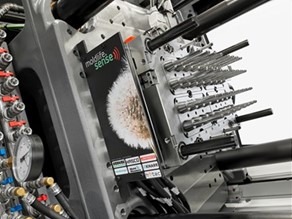
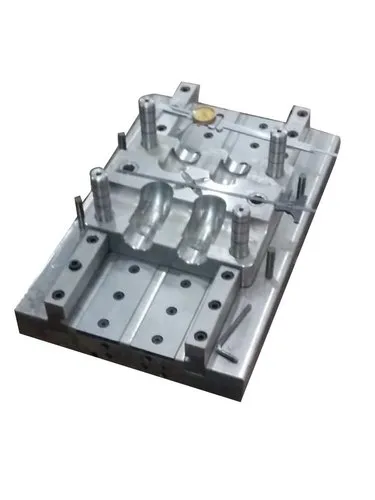
The rise of Industry 4.0 has driven the manufacturing sector toward smarter, data-driven processes. In this context, Smart Moulds with Sensor Integration are revolutionizing moulding technologies by incorporating real-time data acquisition, monitoring, and control within the mould itself. These smart moulds use embedded sensors to enhance product quality, reduce cycle times, and minimize downtime.
What are Smart Moulds?
Smart moulds are traditional moulds enhanced with integrated sensors and digital technologies that enable them to:
Monitor internal parameters during the moulding process.
Communicate with control systems in real time.
Perform predictive maintenance and self-diagnostics.
They are commonly used in injection moulding, blow moulding, and die casting applications.
Types of Sensors Integrated in Smart Moulds
Temperature Sensors
Measure mould surface and cavity temperature.
Help optimize cooling time and prevent warping or shrinkage.
Pressure Sensors
Monitor cavity pressure during injection.
Ensure correct material filling and detect short shots or flash defects.
Strain and Force Sensors
Detect mechanical stress and load on mould components.
Prevent tool damage and assess mould wear.
Displacement or Position Sensors
Monitor the position of core pins, ejector plates, and moving parts.
Improve precision and synchronization.
Vibration Sensors
Identify abnormal vibrations indicating mechanical faults.
Support predictive maintenance.
Humidity or Moisture Sensors (for sensitive materials)
Ensure optimal mould environment, especially in materials prone to hydrolysis (e.g., polyamides).
Benefits of Sensor Integration in Moulds
✅ Improved Product Quality
Real-time feedback helps maintain consistent moulding conditions, reducing defects.✅ Shorter Cycle Times
Optimized heating and cooling cycles based on sensor data speed up production.✅ Predictive Maintenance
Early detection of wear or failure reduces unplanned downtime and extends mould life.✅ Energy Efficiency
Monitoring energy-related parameters (like temperature and pressure) supports lean manufacturing.✅ Data Logging & Traceability
Process data can be stored for traceability, audits, and continuous improvement.
Applications
Automotive Industry: Precision components with tight tolerances.
Medical Devices: High consistency and cleanroom monitoring.
Consumer Electronics: Complex geometries requiring strict process control.
Packaging Industry: Fast cycles and lightweight products.
Challenges
💰 Cost of Implementation: High initial cost for sensor integration and data systems.
🛠️ Durability: Sensors must withstand high temperature, pressure, and chemical exposure.
🔧 Complexity in Retrofitting: Difficult to retrofit older moulds without redesign.
Future Trends
Wireless Sensor Networks: Eliminate cables and simplify mould design.
AI-Powered Analytics: Use machine learning to predict failures and optimize settings.
Digital Twins: Create virtual replicas of moulds for simulation and process optimization.
IoT & Cloud Integration: Enable remote monitoring and centralized data control.
Conclusion
Smart moulds with sensor integration are a vital component of the smart factory ecosystem. They empower manufacturers with real-time insights, allowing for more efficient, precise, and reliable production. As technologies continue to evolve, sensor-integrated moulds will become the norm rather than the exception in high-performance manufacturing environments.