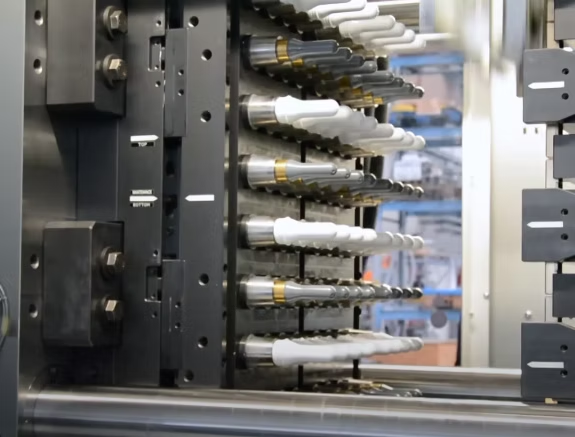
Cosmetic mould production is a critical process in the manufacturing of packaging for beauty and personal care products such as lipstick cases, compact powders, mascara containers, and cream jars. This process requires high precision, aesthetic quality, and durability. Understanding the cost structure of mould production enables manufacturers to manage expenses, optimize investments, and maintain product quality.
1. Overview of Cosmetic Moulds
Cosmetic moulds are typically injection moulds used to shape thermoplastic or thermosetting materials into packaging components. These moulds must meet specific requirements:
High aesthetic standards (gloss, texture, color)
Tight tolerances and smooth finishes
High durability for repeated production cycles
2. Key Cost Components
a. Design and Engineering
CAD Modeling & Prototyping: 5%–10% of total mould cost
Costs arise from computer-aided design, 3D simulations, and prototype testing to ensure functional and aesthetic performance.Complexity Factor: The more intricate the design (multi-cavity, fine textures), the higher the design cost.
b. Mould Base and Materials
Material Choice: 15%–25% of total cost
Common materials include P20, H13, and stainless steel. Steel with higher hardness and corrosion resistance increases durability but also cost.Size and Weight: Larger moulds require more raw materials and machining.
c. Machining and Manufacturing
CNC Machining, EDM, Polishing: 30%–50% of total cost
The precision and surface finish required for cosmetic moulds demand high-end CNC machines and advanced techniques like EDM (Electrical Discharge Machining) and mirror polishing.Labor Cost: Varies by region; skilled technicians add cost but improve accuracy.
d. Mold Features and Customization
Cavities: More cavities increase output but also raise cost.
Cooling Systems and Ejectors: Advanced systems for efficient cooling and part ejection add to upfront cost but reduce cycle time and energy consumption in the long run.
e. Testing and Validation
Trial Runs & Adjustments: 5%–10% of total cost
Mold trials are conducted to verify quality, identify defects, and make necessary adjustments.
3. Additional Factors Influencing Cost
a. Quantity and Production Volume
For low-volume or niche products, mould cost per unit is higher.
High-volume runs justify investing in high-quality, durable moulds.
b. Tool Life and Maintenance
A well-maintained mould can last for millions of shots, distributing the initial cost over a longer time.
Maintenance costs should be included in the lifecycle analysis.
c. Lead Time
Express delivery or expedited manufacturing increases cost due to overtime labor and priority material sourcing.
d. Location and Supply Chain
Offshore mould production (e.g., China, India) may offer lower upfront costs but could involve trade-offs in communication, lead time, and after-sales service.
Domestic suppliers might offer faster turnaround and better support at a premium.