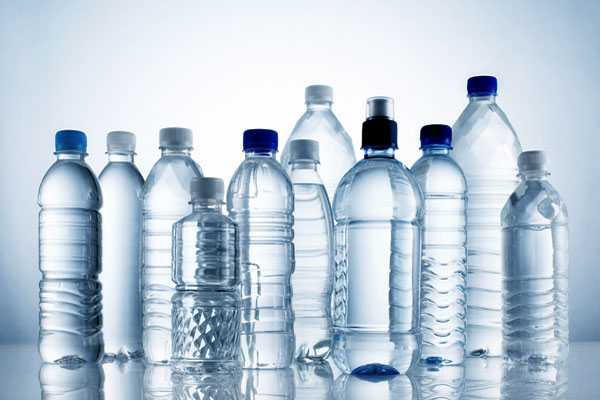
Polyethylene Terephthalate (PET) bottles have experienced significant growth in the global beverage industry over the past few decades. Their rise is attributed to a combination of material benefits, consumer trends, regulatory dynamics, and innovations in packaging technology.
1. Material Advantages Driving Adoption
PET offers a unique set of properties that make it ideal for beverage packaging:
Lightweight: Reduces transportation costs and carbon footprint.
Shatterproof: Safer than glass, especially for on-the-go consumption.
Transparency: Offers product visibility, a key factor in consumer preference.
Recyclability: Widely recyclable, which aligns with growing sustainability efforts.
These properties have positioned PET as a preferred material for packaging water, carbonated soft drinks, juices, and even alcoholic beverages in some markets.
2. Market Expansion and Demand Growth
The demand for bottled beverages continues to surge, especially in emerging markets. Key factors contributing to PET bottle growth include:
Urbanization and Changing Lifestyles: Increased demand for convenient, portable packaging solutions.
Rising Health Awareness: Boost in bottled water and functional drink consumption.
Brand Innovation: Beverage companies are increasingly using customized PET designs to differentiate their products on retail shelves.
According to industry reports, the global PET bottles market in the beverage sector is expected to grow at a compound annual growth rate (CAGR) of around 4–5% over the next five years.
3. Sustainability Trends and Circular Economy
Sustainability has become central to the growth of PET bottles:
rPET (Recycled PET) usage is gaining momentum, with brands committing to using high percentages of recycled content in their bottles.
Lightweighting technology has enabled manufacturers to reduce the amount of plastic used without compromising strength.
Bottle-to-bottle recycling initiatives are increasing across Europe, North America, and parts of Asia.
These efforts align with consumer and regulatory pressure to reduce plastic waste and promote a circular packaging economy.
4. Technological Advancements
Advancements in manufacturing and filling technology have supported the growth of PET bottles:
Hot-fill technology allows PET to be used for juices and teas that were once limited to glass or cans.
Barrier coatings enhance shelf life, enabling the packaging of sensitive beverages like beer and dairy-based drinks.
5. Competitive Landscape and Future Outlook
The PET bottle market is highly competitive, with global players like Amcor, ALPLA, and Indorama Ventures investing heavily in innovation and sustainability. Smaller regional producers are also entering the market, spurred by lower production costs and localized demand.
In the future, we can expect:
Increased integration of smart packaging technologies.
More closed-loop recycling systems.
Further penetration into premium and niche beverage segments.