1. Introduction
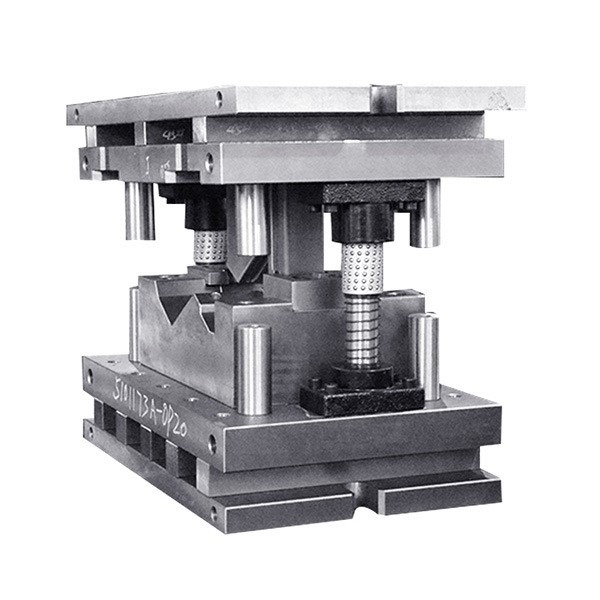
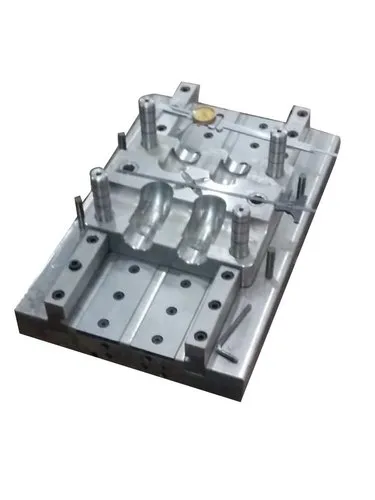
Sheet metal forming is a critical manufacturing process used to create components with desired shapes and dimensions by deforming metal sheets without removing material. The die is a key tool in this process, and its design significantly influences product quality, process efficiency, and tool life.
Die design involves the creation of specialized tooling (dies and punches) used to form sheet metal into various shapes through operations like bending, drawing, blanking, and piercing.
2. Objectives of Die Design
Achieve the desired shape and dimensions of the part
Ensure repeatability and accuracy
Maximize tool life and durability
Minimize material waste (scrap)
Ensure ease of manufacturing and maintenance
Optimize the forming process for cost and productivity
3. Types of Sheet Metal Forming Dies
a. Simple (Single-Action) Dies
Perform one operation per stroke (e.g., blanking or piercing).
Suitable for low production volumes.
b. Compound Dies
Perform multiple operations (like blanking and piercing) in a single stroke.
The punch and die work simultaneously.
c. Progressive Dies
Multiple stations within the die perform different operations sequentially as the strip moves forward.
Highly efficient and suitable for high-volume production.
d. Transfer Dies
Similar to progressive dies but with part transfer between stations.
Useful for large or complex parts.
e. Combination Dies
Combine cutting and non-cutting operations (e.g., bending + blanking).
4. Key Elements of a Die Set
Die block: Contains the cavity that shapes the part.
Punch: Corresponds to the die cavity and forms the sheet metal.
Punch holder: Holds and aligns the punch.
Die shoe (lower plate): Base structure supporting the die block.
Upper shoe (punch plate): Holds and aligns the punch holder.
Guide pins/bushings: Ensure proper alignment between upper and lower halves.
Strippers: Remove the workpiece or scrap from the punch.
Pilots: Ensure accurate positioning of the sheet in progressive dies.
5. Design Considerations
a. Material Properties
Type of sheet metal (e.g., steel, aluminum)
Thickness and ductility
Work hardening behavior
b. Part Geometry
Complexity and dimensions
Radii and tolerances
Presence of holes, bends, flanges
c. Forming Process Type
Bending
Deep drawing
Embossing
Coining
d. Clearance Between Punch and Die
Crucial for clean cuts and minimal wear
Typically 5–10% of sheet thickness
e. Die Life and Maintenance
Use of hardened tool steels or carbides
Provision for easy replacement of worn parts
f. Stripping Force and Pressure Pads
Control of sheet during forming
Prevent distortion and wrinkling