1. Introduction
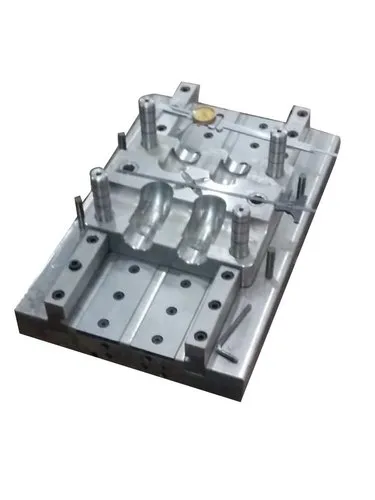
Rapid Tooling (RT) refers to the process of quickly producing molds, dies, or tools used in manufacturing processes, especially for low-volume production or prototyping. It leverages technologies like additive manufacturing (3D printing) and soft tooling to reduce time and cost compared to conventional tooling methods.
2. Classification of Rapid Tooling
Rapid tooling is generally classified into two main types:
Direct Rapid Tooling
The tool is created directly from CAD data using additive manufacturing or other rapid processes, with little to no intermediate steps.Indirect Rapid Tooling
A pattern or prototype is first created using rapid prototyping, which is then used to fabricate the final tool using conventional methods like casting.
3. Common Rapid Tooling Techniques
3.1. 3D Printing (Additive Manufacturing)
Used for both direct and indirect tooling.
Materials: Polymer, metal powders.
Advantages: Fast turnaround, high design flexibility.
Example: Metal 3D printed inserts for injection molds.
3.2. Silicone Rubber Molding
A master pattern is made using 3D printing or CNC, then a silicone mold is created.
Suitable for low-volume casting of plastic or wax parts.
Fast and cost-effective.
3.3. Soft Tooling (Epoxy or Urethane Molds)
Epoxy or polyurethane resins are cast around a master to create a mold.
Used for low-pressure molding or casting processes.
Good for prototyping.
3.4. CNC Machining with Rapid Setup
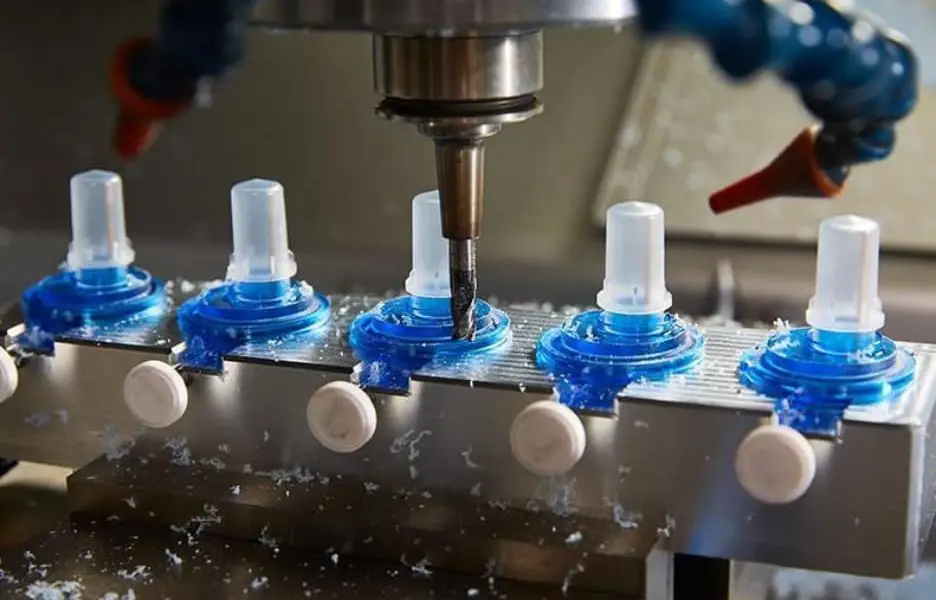
Quick programming and high-speed CNC machines enable fast production of tooling.
More durable than soft tooling, suitable for short-run production.
3.5. Spray Metal Tooling
Involves spraying molten metal onto a pattern to create a tool surface.
Backed with resin or metal-filled epoxy.
Combines the speed of RP with the strength of metal.
3.6. Investment Casting with RP Patterns
Rapid prototyping creates wax or plastic patterns used in investment casting.
Cost-effective for complex geometries and low-volume metal parts.
4. Applications of Rapid Tooling
Prototyping and pre-production testing.
Bridge tooling (between prototype and full production).
Custom or short-run manufacturing.
Medical device production.
Automotive and aerospace component trials.
5. Advantages of Rapid Tooling
Speed: Tooling time reduced from weeks to days.
Cost Efficiency: Lower investment compared to traditional tooling.
Flexibility: Easy to modify and iterate designs.
Accessibility: Enables small businesses to compete in fast-paced markets.
6. Limitations of Rapid Tooling
Lower durability compared to traditional steel tools.
Material limitations in some processes.
Not suitable for high-volume production.
Dimensional accuracy may vary based on the technique used.
7. Future Trends in Rapid Tooling
Integration of AI for tool design optimization.
Use of hybrid manufacturing (combining CNC and 3D printing).
Improved material properties for 3D printed tools.
Automation and digital twins for smart tooling.
8. Conclusion
Rapid Tooling techniques are transforming the landscape of product development and manufacturing by enabling faster, more flexible, and cost-effective tooling solutions. As technologies advance, rapid tooling will continue to bridge the gap between prototyping and full-scale production.