1. Introduction
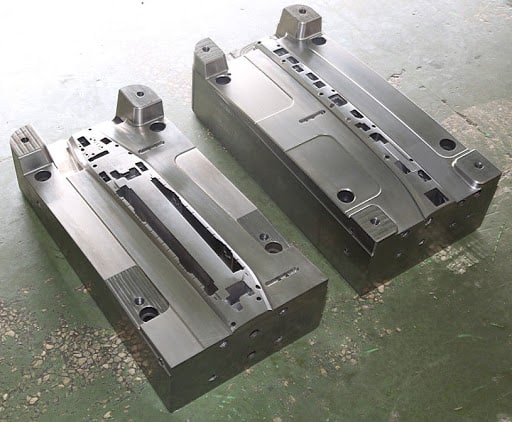
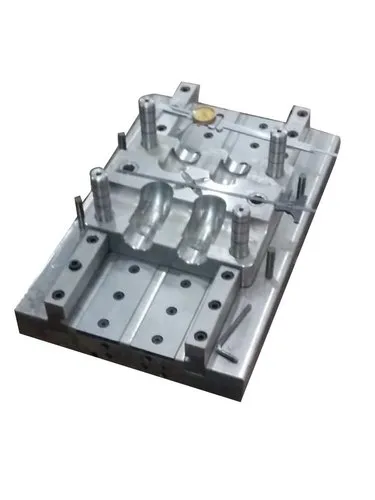
Injection dies are critical components used in the plastic injection molding process to shape molten plastic into final products. These dies are typically made from high-grade tool steels and are expected to withstand high pressure, temperature, and repetitive mechanical stress. To enhance their performance, durability, and wear resistance, heat treatment processes are employed. Heat treatment modifies the microstructure of the die materials to improve their mechanical properties.
2. Objectives of Heat Treatment
The primary goals of heat treating injection dies include:
Increasing hardness and wear resistance
Enhancing toughness and impact strength
Reducing internal stresses caused by machining
Improving dimensional stability during molding
Extending the service life of the die
3. Materials Used for Injection Dies
Common materials used for manufacturing injection dies include:
P20 Tool Steel – Pre-hardened tool steel, commonly used for general-purpose molds
H13 Tool Steel – A chromium hot-work tool steel, ideal for high-temperature applications
S7 Tool Steel – Known for its shock resistance and good toughness
420 Stainless Steel – Used for corrosion-resistant applications
Each of these materials responds differently to heat treatment based on their composition and intended use.
4. Heat Treatment Processes
4.1. Preheating
Preheating is often the first stage of heat treatment. It gradually raises the temperature of the die to reduce thermal shock during the main heating process.
Purpose: To minimize internal stress and prevent cracking
Typical Temperature Range: 600–800°C
4.2. Hardening
This involves heating the die to its austenitizing temperature, holding it there to allow phase transformation, and then rapidly quenching it.
Purpose: To increase hardness by forming martensite
Temperature Range: 850–1050°C (depending on steel type)
Cooling Medium: Oil, air, or vacuum
4.3. Quenching
Quenching follows hardening and involves rapid cooling to “lock in” the hard microstructure.
Risk: Can induce internal stresses or cracking if not properly controlled
Cooling Rate: Must be optimized based on die geometry and material
4.4. Tempering
Tempering is the reheating of a hardened die to a lower temperature to reduce brittleness and improve toughness.
Temperature Range: 150–650°C
Purpose: Relieves internal stress, improves ductility and toughness
4.5. Stress Relieving
Applied especially after machining, to remove residual stresses that can cause distortion during use.
Temperature Range: 550–650°C
Process: Slow heating, soaking, and controlled cooling
5. Advanced Heat Treatment Techniques
Vacuum Heat Treatment: Prevents oxidation and decarburization; ideal for high-precision dies
Cryogenic Treatment: Involves deep cooling (as low as -196°C) after quenching to transform retained austenite into martensite and enhance wear resistance
Nitriding: A surface hardening process that diffuses nitrogen into the die surface, increasing surface hardness without affecting core properties
6. Quality Control and Inspection
Post-heat treatment inspections ensure that the desired properties have been achieved:
Hardness Testing (e.g., Rockwell or Vickers scale)
Microstructure Analysis (e.g., via metallographic examination)
Dimensional Checks (to ensure minimal distortion)
Crack Detection (using dye penetrant or magnetic particle testing)
7. Common Issues and Considerations
Distortion or Warping: Caused by uneven heating or cooling—must be minimized through controlled processes
Cracking: Often a result of thermal shock or improper quenching
Over-hardening: Leads to brittleness; proper tempering is essential
8. Conclusion
Heat treatment is a vital process in the manufacturing of injection dies, significantly influencing their performance, durability, and quality. Properly applied, it enhances the mechanical properties required to endure the rigors of the injection molding process. By selecting the appropriate steel grade and tailoring the heat treatment cycle, manufacturers can extend die life, reduce downtime, and ensure high-quality moldings.