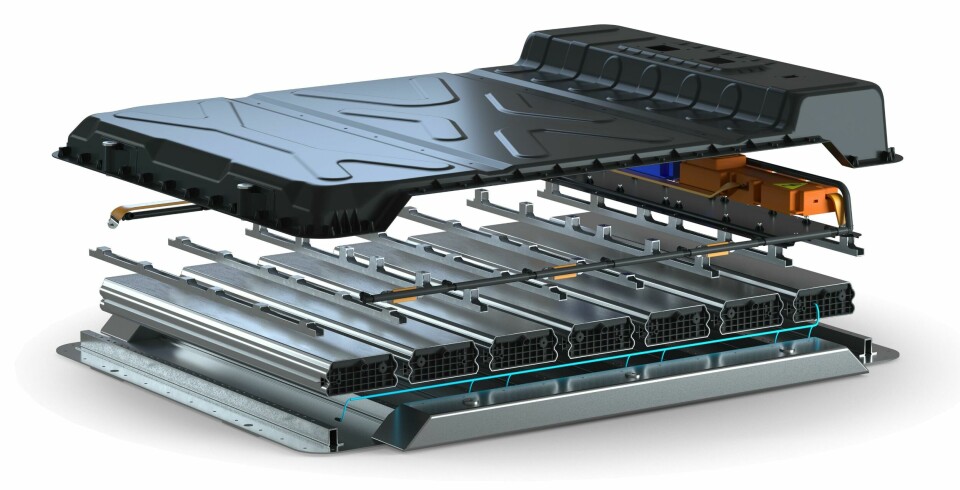
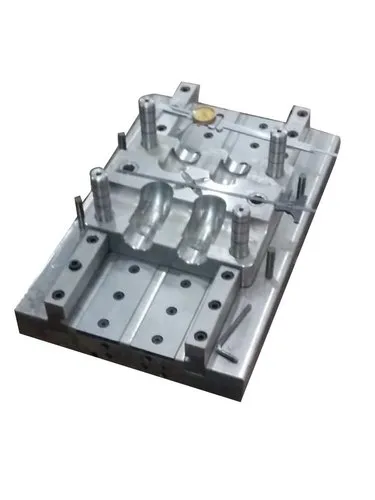
The demand for lightweight materials in electric vehicles (EVs) has grown significantly as manufacturers aim to enhance energy efficiency, range, and performance while maintaining safety and durability. Moulding technologies play a crucial role in shaping these advanced materials into functional and aesthetic vehicle components.
1. Importance of Lightweight Materials in EVs
Reducing vehicle weight is critical for electric vehicles because it directly impacts:
Battery efficiency and driving range: Lower weight reduces power consumption.
Performance: Enhances acceleration, handling, and braking.
Sustainability: Decreases raw material use and improves recyclability.
Cost-effectiveness: Enables downsizing of other components, such as motors and batteries.
2. Common Lightweight Materials Used in EV Moulding
A variety of materials are used for moulding lightweight EV components, each offering a balance of strength, weight, and formability.
a. Thermoplastics (PP, ABS, PC, PA6, etc.)
Widely used for dashboards, interior panels, bumpers, and enclosures due to their easy processability and design flexibility.b. Carbon Fiber Reinforced Plastics (CFRP)
Extremely strong and lightweight, ideal for structural parts such as roof panels, battery housings, and chassis reinforcements.c. Glass Fiber Reinforced Plastics (GFRP)
Common for underbody shields, seat structures, and door modules due to their cost-efficiency and good mechanical properties.d. Aluminum and Magnesium Alloys
Used in die-casting or compression moulding for motor housings, brackets, and frames. They offer excellent strength-to-weight ratios.e. Bio-based Composites and Recycled Plastics
Sustainable alternatives gaining popularity for interior trims and secondary structural components.
3. Moulding Techniques for Lightweight Materials
Different moulding processes are adapted for EV manufacturing to optimize material performance and production efficiency.
Injection Moulding:
Ideal for thermoplastic components with intricate designs and thin walls. Advanced variations like gas-assisted or foam injection help further reduce weight.Compression Moulding:
Suited for composites (CFRP/GFRP) to form strong and rigid components such as battery covers and structural panels.Resin Transfer Moulding (RTM):
Used for high-strength composite parts where precision and dimensional stability are critical.Die Casting (for metals):
Aluminum and magnesium parts are formed using precision moulds, ensuring strength with reduced material thickness.
4. Design and Engineering Considerations
When moulding lightweight materials for EVs, certain design factors are essential:
Material compatibility with electrical insulation and thermal management requirements.
Optimized wall thickness to maintain strength while minimizing mass.
Integration of multiple functions (e.g., structural + thermal + electrical roles).
Recyclability and end-of-life material recovery.
5. Challenges and Innovations
Challenges:
Higher raw material costs (especially for carbon fiber).
Complex processing requirements.
Balancing lightweight design with crash safety standards.
Innovations:
Hybrid moulding (metal–plastic and composite–plastic combinations).
Use of thermoplastic composites for recyclable lightweight structures.
Integration of additive manufacturing for prototyping and low-volume production.
6. Applications in EV Components
Lightweight material moulding is applied in:
Battery enclosures and trays (CFRP, aluminum, or hybrid materials)
Body panels and bumpers (thermoplastics and composites)
Seats, dashboards, and interior trims (injection-moulded plastics)
Motor housings and structural supports (die-cast aluminum or magnesium)
7. Future Outlook
As EV technology advances, lightweight moulding solutions will increasingly focus on:
Sustainable materials with high recyclability.
Integrated functional moulding combining electrical, thermal, and mechanical performance.
Automation and digital moulding for precision and reduced production time.
Conclusion
Lightweight material moulding is revolutionizing electric vehicle manufacturing by reducing weight, increasing efficiency, and supporting sustainability goals. Through the integration of advanced materials and moulding technologies, EVs are becoming not only more energy-efficient but also more environmentally responsible.