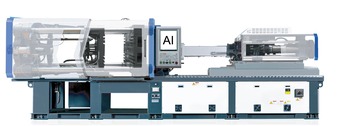
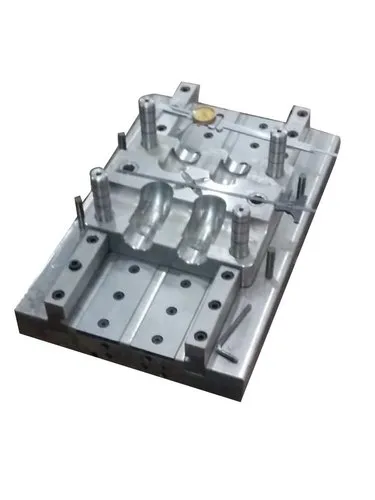
The integration of the Internet of Things (IoT) into moulding technology has revolutionized the manufacturing sector, particularly in industries like automotive, electronics, and consumer goods. Smart moulds with IoT capabilities enable real-time monitoring, predictive maintenance, and data-driven decision-making, enhancing production efficiency and part quality.
What Are Smart Moulds?
Smart moulds are advanced injection or compression moulds embedded with sensors, microcontrollers, and connectivity modules that communicate operational data through IoT networks. These moulds can track parameters such as:
Mould temperature and pressure
Cooling rate and cycle time
Material flow and cavity filling
Wear and tear on mould surfaces
This continuous data collection allows manufacturers to gain valuable insights into the mould’s health and performance.
Key IoT Capabilities in Smart Moulds
Real-Time Monitoring
IoT-enabled sensors continuously monitor critical process parameters. Data is transmitted to a centralized dashboard or cloud platform, allowing engineers to visualize the entire moulding process in real time.Predictive Maintenance
Using AI and IoT data analytics, smart moulds can predict potential failures such as core wear, ejector pin jamming, or cooling channel blockages. This prevents unplanned downtime and extends mould lifespan.Remote Access and Control
Through IoT connectivity, operators can remotely access mould data, adjust process settings, and receive alerts via mobile or web interfaces, reducing the need for on-site monitoring.Energy Efficiency
By analyzing cycle time, temperature, and power usage data, smart systems optimize energy consumption and minimize wastage during production runs.Quality Assurance and Traceability
Smart moulds record data for each production cycle, enabling complete traceability. Any defect or variation can be traced back to specific mould conditions, ensuring consistent quality control.
Benefits of Smart IoT-Enabled Moulds
Reduced downtime through predictive maintenance
Enhanced product consistency with real-time process correction
Optimized production cycles and energy usage
Remote diagnostics and troubleshooting
Improved mould longevity due to better maintenance scheduling
Data-driven process improvement for long-term efficiency
Applications
Smart moulds are increasingly used in:
Automotive components (precision interior and engine parts)
Medical devices (where quality and traceability are critical)
Consumer electronics (for high-precision moulding)
Packaging industry (for high-volume, automated production lines)
Future Trends
As Industry 4.0 continues to evolve, smart moulds will integrate:
Edge computing for faster on-site data processing
Machine learning algorithms for autonomous optimization
Digital twin technology for virtual mould simulations and lifecycle management
Conclusion
Smart moulds with IoT capabilities represent a significant leap toward intelligent, connected, and self-optimizing manufacturing. They not only enhance productivity and reliability but also pave the way for fully automated smart factories, where data and technology drive every aspect of production.