In the cosmetics industry, product packaging plays a critical role in brand identity, customer experience, and functionality. From lipstick cases and mascara tubes to cream jars and compact powders, each component requires precision-engineered moulds to ensure consistency, durability, and aesthetic appeal. Mould design software for cosmetics enables manufacturers and designers to streamline the development process, enhance product quality, and reduce time to market.
Importance of Mould Design in the Cosmetics Industry
Mould design is central to the production of cosmetic packaging, which must be:
Ergonomically designed for ease of use
Visually appealing to reflect brand aesthetics
Dimensionally precise for consistent production
Durable and compatible with various materials, including plastics, glass, and metals
Mould design software provides advanced tools to achieve these goals efficiently.
Key Features of Mould Design Software for Cosmetics
3D Modeling and Simulation
Create detailed 3D models of cosmetic containers and closures
Simulate the injection molding or blow molding process
Predict material flow, cooling, shrinkage, and warpage
Parametric Design Tools
Quickly modify dimensions and shapes based on design requirements
Ideal for creating multiple packaging variants or sizes
Material Selection Libraries
Integrated databases of materials with physical properties
Help assess compatibility with cosmetics (e.g., chemical resistance)
Tooling and Cavity Design
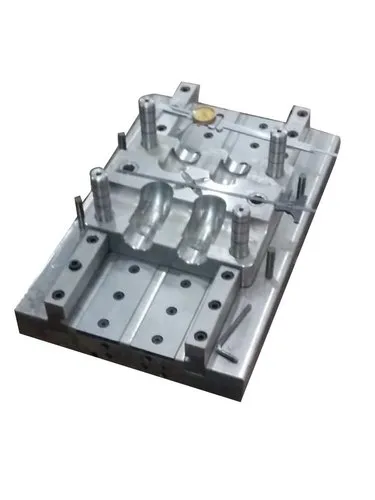
Design core and cavity components of the mould
Optimize gate locations, runners, and ejector systems
Draft and Undercut Analysis
Automatically detect and resolve design issues that could affect mould release
Ensure manufacturability of complex designs
Cost and Feasibility Estimation
Evaluate production cost and cycle time
Simulate and optimize for high-volume manufacturing
Popular Mould Design Software Used in Cosmetics
Autodesk Moldflow
Simulation-driven design with extensive mould analysis tools
Widely used for injection moulding simulation
Siemens NX Mold Wizard
Advanced mould design automation with parting, core/cavity generation
Integrated with NX CAD and CAM for end-to-end development
SolidWorks Plastics
Ideal for small to medium-sized cosmetic manufacturers
Easy integration with SolidWorks 3D modeling tools
PTC Creo
Parametric and direct modeling with mold design extensions
Great for designing complex assemblies and tooling components
Moldex3D
High-performance simulation for injection molding
Useful for evaluating part quality before physical prototyping
Benefits for the Cosmetics Industry
Reduced Time-to-Market: Accelerate development cycles with virtual prototyping
Cost Savings: Minimize trial-and-error in tooling and reduce material waste
Improved Quality: Identify defects early and ensure consistent production
Customization at Scale: Quickly adapt designs for new product launches or seasonal packaging
Future Trends
With growing demand for sustainable and personalized cosmetic products, mould design software is evolving to include:
AI-driven Design Optimization
Sustainability Analysis (e.g., carbon footprint of materials)
Cloud-Based Collaboration Tools
Integration with 3D Printing for Rapid Prototyping
Conclusion
Mould design software is a vital tool in the cosmetics industry, enabling efficient, high-quality, and innovative packaging solutions. As competition and consumer expectations grow, investing in the right mould design software can significantly enhance a cosmetic brand’s ability to deliver attractive and functional products to market quickly.