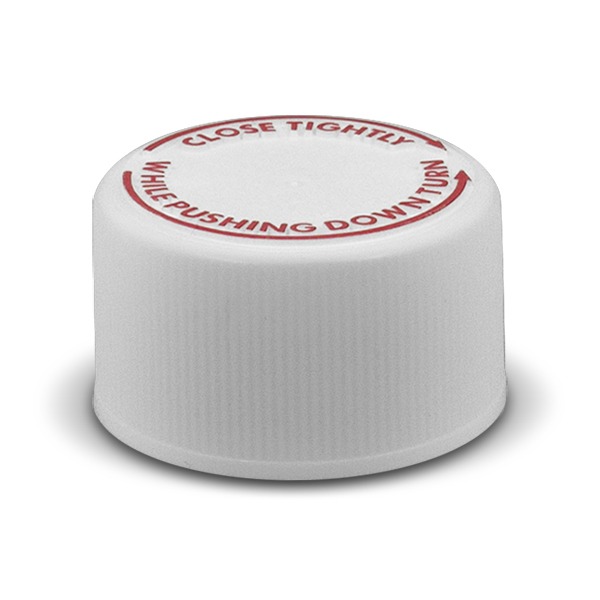
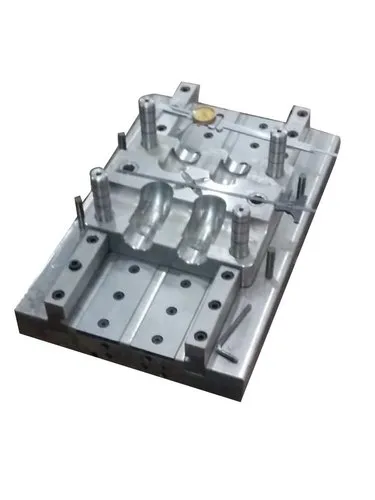
Child-resistant (CR) closures are special packaging designs intended to reduce the risk of children accidentally ingesting harmful substances such as medications, household chemicals, and pesticides. These closures are engineered to be difficult for young children (typically under five years old) to open, while remaining accessible for adults, particularly the elderly or those with disabilities.
Purpose and Importance
Accidental poisoning is a significant concern in households with young children. CR packaging serves as a critical barrier, helping to:
Prevent accidental ingestion of potentially toxic substances.
Reduce emergency room visits and fatalities related to poisoning.
Promote safer storage and handling of hazardous materials.
Design Principles
Child-resistant closures are developed with specific design criteria to balance safety and usability. Common design types include:
1. Push-and-Turn (or Squeeze-and-Turn)
Requires the user to apply downward or squeezing force while simultaneously turning the cap.
Commonly used for medication bottles and cleaning products.
2. Align-and-Push
The cap has to be aligned with specific markings or arrows before pushing or lifting.
3. Two-Step Mechanisms
Involve more than one motion (e.g., squeeze, push, slide) to open.
Often used for blister packs and some topical creams.
4. Slider Packs with Locking Mechanism
Used primarily in blister packaging for unit-dose medications.
Require coordination to unlock the mechanism before accessing the product.
5. Special Tools Required
In some designs, a key or tool is required to open the package, deterring children who don’t have access to the tool.
Materials and Durability
Plastic (HDPE, PP, PET): Most common due to its flexibility and moldability.
Metal and Glass: Sometimes used in combination with plastic components for more secure or high-end packaging.
Tamper-Evident Features: Often integrated to provide visual confirmation of package integrity.
Regulations and Standards
United States (CPSC and FDA)
Poison Prevention Packaging Act (PPPA) of 1970: Mandates CR packaging for specific household substances.
Regulated by the Consumer Product Safety Commission (CPSC).
Requires that 85% of children (under 5) fail to open the package in tests, while 90% of adults must succeed.
FDA oversees CR packaging for prescription and over-the-counter drugs.
European Union
Governed by the European Standard EN ISO 8317 for reclosable CR packaging.
Tests include child panel and senior-friendly usability assessments.
Non-reclosable packages (like blister packs) are regulated under ISO 14375.
Canada
Regulated under the Consumer Chemicals and Containers Regulations (CCCR, 2001) by Health Canada.
Requires testing similar to U.S. and EU standards, with specific attention to bilingual labeling (English and French).
Other Jurisdictions
Australia and Japan also have their own regulatory standards aligned with international testing methods, often requiring market-specific labeling and accessibility accommodations.
Testing Procedures
CR packaging must undergo stringent human performance tests:
Child Panel Testing: Groups of children attempt to open the package within a set time.
Adult Panel Testing: Adults (including seniors) must be able to open and properly reclose the packaging.
Challenges and Innovations
Accessibility vs. Security: Designers must balance child resistance with ease of use for the elderly and disabled.
Sustainability: Increasing demand for recyclable and biodegradable CR packaging materials.
Smart Packaging: Emerging technologies like digital locks or QR-based access are being explored.
Conclusion
Child-resistant closures are a vital component in modern packaging, playing a crucial role in preventing accidental poisoning. Through thoughtful design and adherence to international regulations, manufacturers can ensure their products are both safe and user-friendly. As technology and materials evolve, so too will the innovations in CR packaging to meet the dual demands of safety and convenience.