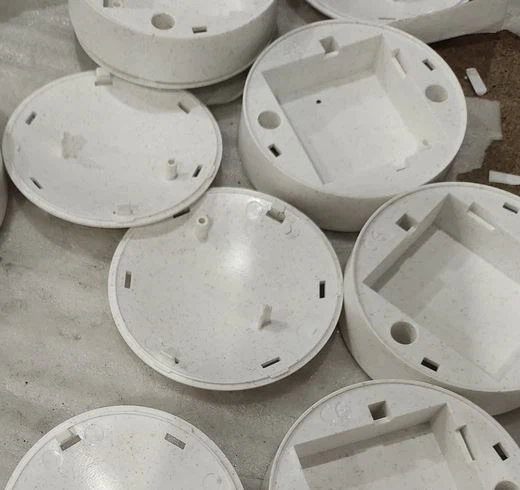
Biodegradable plastics are gaining significant attention as sustainable alternatives to conventional petroleum-based plastics. As industries pivot towards eco-friendly materials, the role of moulds in shaping and producing biodegradable plastic products becomes critical. Moulds designed for biodegradable plastics must accommodate the unique thermal and mechanical properties of these materials while ensuring production efficiency and product quality.
Understanding Biodegradable Plastics
Biodegradable plastics are designed to decompose naturally under the action of microorganisms, heat, moisture, and oxygen. Common types include:
PLA (Polylactic Acid)
PHA (Polyhydroxyalkanoates)
PBS (Polybutylene Succinate)
Starch-based plastics
Cellulose-based plastics
These materials differ significantly from traditional plastics in terms of processing temperatures, degradation behavior, and mechanical strength, all of which impact mould design and manufacturing.
Design Considerations for Moulds
Material Compatibility
Mould materials must be compatible with biodegradable polymers, which often have lower melting points and different flow characteristics compared to traditional plastics.Thermal Management
Biodegradable plastics are sensitive to temperature.
Moulds must allow precise temperature control to avoid degradation during processing.
Cooling channels should be optimized to reduce cycle time without compromising quality.
Surface Finish
Many biodegradable plastics are more brittle and sensitive to surface defects.
Moulds should have high-quality surface finishes to prevent stress concentrations and ensure aesthetic quality.
Shrinkage and Warping
Biodegradable plastics may shrink or warp differently than conventional plastics.
Moulds must be designed to compensate for these tendencies, possibly including venting and proper gating design.
Ejection System
Due to the lower toughness of biodegradable plastics, the ejection system must be gentle yet effective.
Stripper plates or air ejection may be preferred over traditional ejector pins.
Types of Moulds Used
Injection Moulds
Most common for high-volume production of biodegradable plastic items like cutlery, packaging, and containers.
Requires precise control of pressure and temperature.
Compression Moulds
Suitable for biodegradable composites and fiber-reinforced bioplastics.
Often used for thicker or more complex shapes.
Thermoforming Moulds
Ideal for forming thin sheets of biodegradable plastics into trays, clamshells, and packaging items.
Blow Moulds
Used for producing biodegradable bottles and hollow products.
Mould design must account for lower melt strength of certain bioplastics.
Challenges in Moulding Biodegradable Plastics
Narrow Processing Window: Risk of thermal degradation.
Moisture Sensitivity: Some bioplastics absorb moisture, affecting dimensional accuracy.
Cost: Biodegradable moulding may require specialized equipment and tighter tolerances.
Recyclability in Production: Regrinding and reusing scraps is limited due to potential degradation.
Advancements and Innovations
Hybrid Moulds: Combining metal and polymer inserts for better thermal control and cost-efficiency.
3D Printed Moulds: Used for prototyping and short-run production of biodegradable plastic parts.
Smart Moulds: Equipped with sensors to monitor temperature, pressure, and cycle times for better process control.
Applications of Biodegradable Plastic Moulded Products
Food packaging (trays, films, containers)
Medical products (syringes, surgical tools)
Agricultural films and plant pots
Disposable cutlery and tableware
Conclusion
Moulds for biodegradable plastics play a pivotal role in the transition to more sustainable materials in manufacturing. The unique properties of biodegradable polymers demand careful attention to mould design, material selection, and process parameters. With continuous innovation and demand for green alternatives, mould technology for biodegradable plastics will continue to evolve, contributing to a more sustainable future.