Introduction
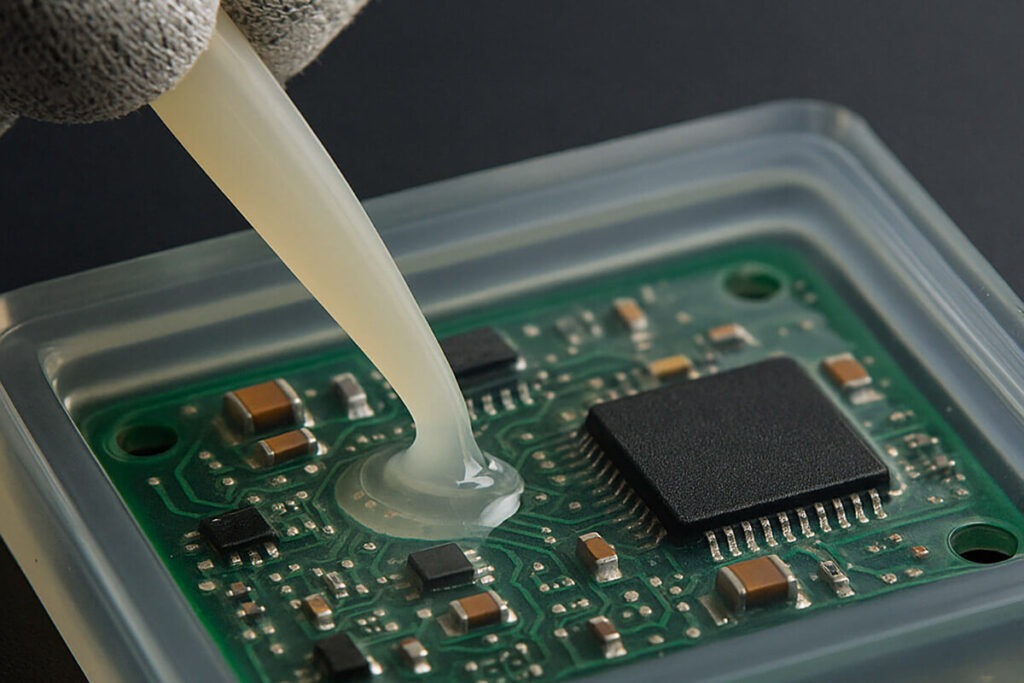
Overmoulding is a specialized moulding process in which one material—typically a soft thermoplastic elastomer (TPE) or another polymer—is moulded over a pre-existing substrate or component. In the case of electronic components, overmoulding provides both functional and protective benefits, such as insulation, shock resistance, moisture sealing, and improved aesthetics.
Purpose and Advantages
Overmoulding in electronics serves several important purposes:
Protection: Shields sensitive circuits and connectors from dust, water, and impact damage.
Electrical Insulation: Prevents short circuits and enhances safety during handling and use.
Vibration and Shock Absorption: Reduces mechanical stress on internal components, extending product life.
Improved Ergonomics and Appearance: Creates a soft-touch, visually appealing surface for handheld electronic devices.
Simplified Assembly: Combines multiple parts into a single integrated component, reducing assembly time and cost.
Materials Used
Selection of materials for overmoulding depends on the substrate and functional requirements:
Substrate Materials: Commonly metals (for connectors) or engineering plastics such as PC, ABS, or Nylon.
Overmould Materials:
Thermoplastic Elastomers (TPEs) – for flexibility and grip.
Polyurethane (PU) – for abrasion resistance.
Silicone Rubber – for waterproofing and high temperature tolerance.
Compatibility between substrate and overmould materials is critical to ensure proper adhesion and performance.
Overmoulding Process Steps
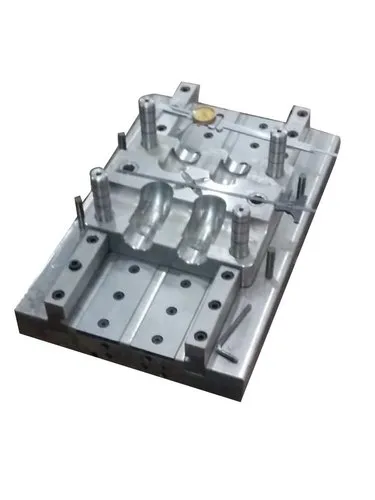
Preparation of Substrate: The base electronic part is cleaned and placed into the mould cavity.
Positioning: The substrate is precisely aligned to ensure proper encapsulation.
Injection of Overmould Material: The second material is injected under controlled temperature and pressure to flow around the electronic part.
Cooling and Solidification: The overmould layer cools and bonds with the substrate.
Ejection: The finished component is carefully removed to avoid damage.
Applications in Electronics
Overmoulding is widely used in various electronic assemblies, such as:
Connectors and Cable Assemblies – for waterproof and flexible joints.
Sensor Housings – to protect against heat, vibration, and chemical exposure.
Switches and Control Units – for improved durability and tactile feel.
Mobile Device Components – to enhance grip and aesthetic appeal.
Wearable Electronics – where comfort and sealing are essential.
Design Considerations
Proper bonding surface design and material compatibility are crucial.
Avoid trapped air or voids that can compromise insulation.
Design venting paths and uniform wall thickness for consistent flow and cooling.
Ensure temperature control to protect delicate electronic parts during the injection phase.
Conclusion
Overmoulding plays a vital role in the modern electronics industry by combining functionality, durability, and aesthetic appeal in a single manufacturing step. It enhances product performance, reduces assembly complexity, and provides long-term environmental protection to sensitive components.