Common materials used in houseware mould dies

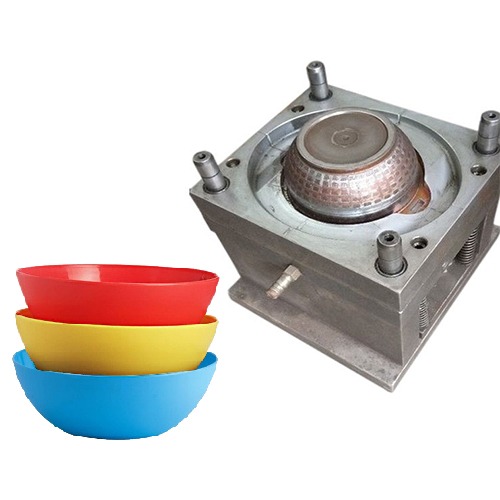
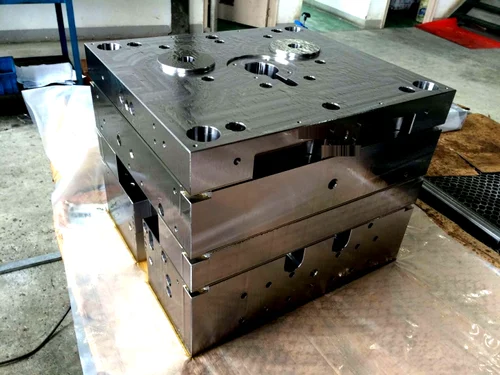
Houseware mould dies are essential in the manufacturing of everyday household items such as containers, kitchenware, storage solutions, and more. The performance, durability, and precision of these moulds largely depend on the materials used to manufacture them. Below are the most common materials used in houseware mould dies: 1. P20 Tool Steel Overview:P20 is one

Common materials used in houseware mould dies Read More »

Introduction to Die and Mould Base Technology

1. Overview Die and mould base technology is a critical aspect of manufacturing, particularly in the fields of metal forming and plastic injection molding. Dies and moulds serve as the tools used to shape materials into desired forms, and their base structures provide the foundation for ensuring precision, durability, and repeatability in production processes. These

Introduction to Die and Mould Base Technology Read More »

Principles of designing dies for plastic houseware products

Die design is a crucial step in the manufacturing of plastic houseware products such as containers, bowls, storage boxes, buckets, and kitchenware. The primary goal is to ensure mass production of defect-free, aesthetically appealing, and dimensionally accurate parts. Below are the core principles involved: 1. Understanding Product Requirements Functionality: The die must be designed considering

Principles of designing dies for plastic houseware products Read More »

The Future of Cosmetic Moulding: AI and Robotics Integration

The cosmetics industry is undergoing a quiet revolution—one driven not by trends in makeup or skincare, but by the technologies shaping how cosmetic packaging is designed, molded, and delivered. At the heart of this transformation are artificial intelligence (AI) and robotics, which are rapidly reshaping the future of cosmetic moulding. 1. Precision and Consistency through

The Future of Cosmetic Moulding: AI and Robotics Integration Read More »

Integrating QR Codes and NFC in Cosmetic Moulds

In the highly competitive cosmetics industry, innovation in packaging and product interaction plays a vital role in brand differentiation and consumer engagement. One emerging area of technological advancement is the integration of QR codes and Near Field Communication (NFC) into cosmetic moulds, offering both functional and marketing advantages. 1. Purpose of Integration The integration of

Integrating QR Codes and NFC in Cosmetic Moulds Read More »

Innovations in Barrier Properties for Food Packaging

Barrier properties in food packaging are critical for preserving product quality, extending shelf life, and ensuring food safety. These properties control the transfer of gases (oxygen, carbon dioxide), moisture, light, and contaminants. Recent innovations are focused on improving performance while promoting sustainability, functionality, and consumer convenience. 1. Importance of Barrier Properties Oxygen Barrier: Prevents oxidation,

Innovations in Barrier Properties for Food Packaging Read More »

Challenges in Scaling Up Cosmetic Mould Production

Scaling up cosmetic mould production is a complex endeavor that involves several technical, operational, and strategic challenges. As demand for cosmetic products grows—driven by trends like personalization, sustainability, and rapid product innovation—manufacturers face increasing pressure to deliver high-quality moulds at scale. Below are the key challenges faced during this scale-up process: 1. Maintaining Consistent Quality

Challenges in Scaling Up Cosmetic Mould Production Read More »

Sustainability Goals 2030: The Future of Plastic Caps

As global sustainability efforts intensify, industries are reevaluating even the smallest components of their products — including plastic caps. Though often overlooked, plastic caps contribute significantly to plastic waste. With the 2030 sustainability goals fast approaching, the spotlight is now on transforming these everyday items to align with circular economy principles and environmental stewardship. Why

Sustainability Goals 2030: The Future of Plastic Caps Read More »

Scroll to Top