Robotic Assistance in PVC Mold Handling

Polyvinyl Chloride (PVC) molding is a critical process in industries such as automotive, construction, and consumer goods manufacturing. The handling of PVC molds—often heavy, complex, and hot—requires precision, safety, and consistency. Robotic assistance in this domain offers significant improvements in productivity, safety, and quality. Challenges in Manual PVC Mold Handling High Temperature: Molds can reach […]

Robotic Assistance in PVC Mold Handling Read More »

Predictive Maintenance for Injection Molds

Injection molds are a critical component in the manufacturing of plastic parts. Their performance directly affects product quality, production efficiency, and operational costs. Traditional maintenance strategies—reactive and preventive—are either too late or too frequent, leading to unplanned downtimes or excessive maintenance. Predictive maintenance (PdM) offers a data-driven approach to optimize mold maintenance, reduce costs, and

Predictive Maintenance for Injection Molds Read More »

Resin Transfer Molding (RTM) for Automotive Components

Resin Transfer Molding (RTM) is a closed-mold composite manufacturing process used to produce high-strength, lightweight parts with complex shapes. It involves placing dry fiber reinforcements (typically glass or carbon fibers) into a mold, then injecting liquid resin under pressure to impregnate the fibers. The mold is then heated to cure the resin, forming a solid

Resin Transfer Molding (RTM) for Automotive Components Read More »

Digital Twin for PVC Mold Flow Simulation

A Digital Twin is a virtual replica of a physical system that enables real-time monitoring, simulation, and analysis. In the field of polymer processing, particularly PVC (Polyvinyl Chloride) molding, digital twins offer a powerful tool for optimizing mold design, predicting material behavior, and reducing production defects. Mold flow simulation models the movement of molten PVC

Digital Twin for PVC Mold Flow Simulation Read More »

IoT and Smart Sensors in Injection Molding Machines

Injection molding is a crucial manufacturing process used to produce complex plastic components with high precision and repeatability. The integration of Internet of Things (IoT) technology and smart sensors is revolutionizing the injection molding industry by enhancing machine performance, improving product quality, reducing downtime, and enabling predictive maintenance. 1. Role of IoT in Injection Molding

IoT and Smart Sensors in Injection Molding Machines Read More »

Carbon Fiber Molding in Automotive Manufacturing

Carbon fiber molding is a critical technology in modern automotive manufacturing, primarily used to produce lightweight, high-strength components. Carbon fiber–reinforced polymer (CFRP) composites offer an excellent strength-to-weight ratio, corrosion resistance, and design flexibility, making them highly desirable for both high-performance sports cars and increasingly for mass-market vehicles seeking improved fuel efficiency and reduced emissions. What

Carbon Fiber Molding in Automotive Manufacturing Read More »

AI-Driven Optimization in PVC Injection Molding

PVC (Polyvinyl Chloride) injection molding is a widely used manufacturing process for producing durable plastic parts with complex geometries. However, it involves multiple variables—temperature, pressure, cooling time, injection speed, etc.—that must be precisely controlled to ensure consistent product quality. Traditional methods of process control often rely on trial and error or static parameters, which can

AI-Driven Optimization in PVC Injection Molding Read More »

Robotic Assistance in Injection Molding Factories

Injection molding is a manufacturing process widely used for producing plastic parts in large volumes. It involves injecting molten material into a mold to form desired shapes. To improve efficiency, precision, and safety, many factories are now integrating robotic assistance into their injection molding operations. Role of Robots in Injection Molding Robots play various critical

Robotic Assistance in Injection Molding Factories Read More »
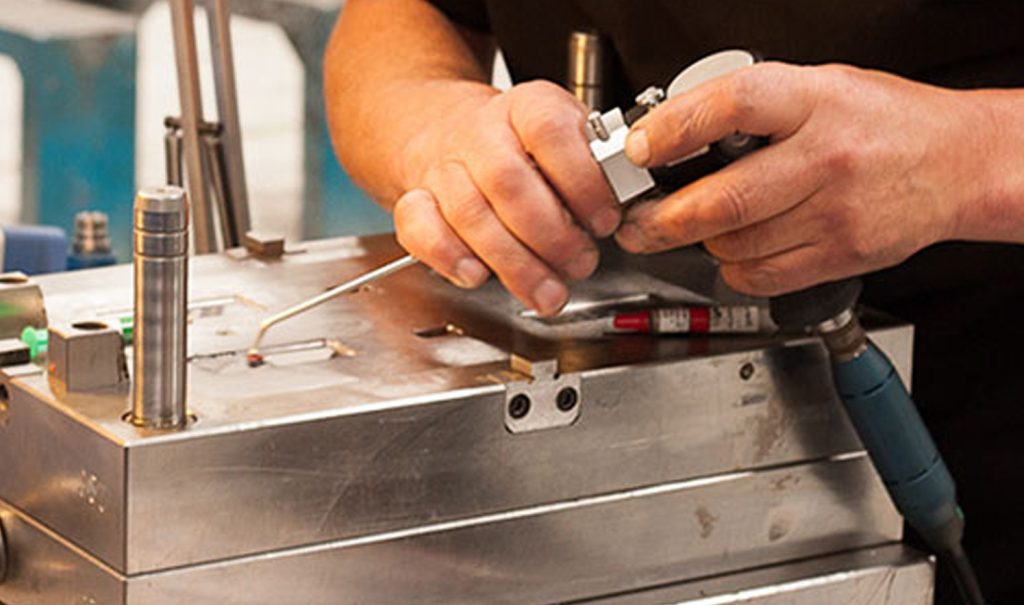
Lightweight Polymer Molds for Cars

The automotive industry continually evolves to meet the demands for fuel efficiency, sustainability, and cost reduction. One effective strategy is the use of lightweight polymer molds in the manufacturing of vehicle components. These molds not only streamline production but also help reduce the overall weight of vehicles, contributing to improved fuel efficiency and lower emissions.

Lightweight Polymer Molds for Cars Read More »

Smart Molding Technologies for PVC Production

Polyvinyl Chloride (PVC) is a widely used thermoplastic polymer in industries ranging from construction and automotive to healthcare and electronics. The production of PVC components often involves molding processes such as injection molding, extrusion molding, and compression molding. Smart molding technologies are transforming these traditional processes by integrating automation, real-time monitoring, and advanced control systems,

Smart Molding Technologies for PVC Production Read More »

Scroll to Top