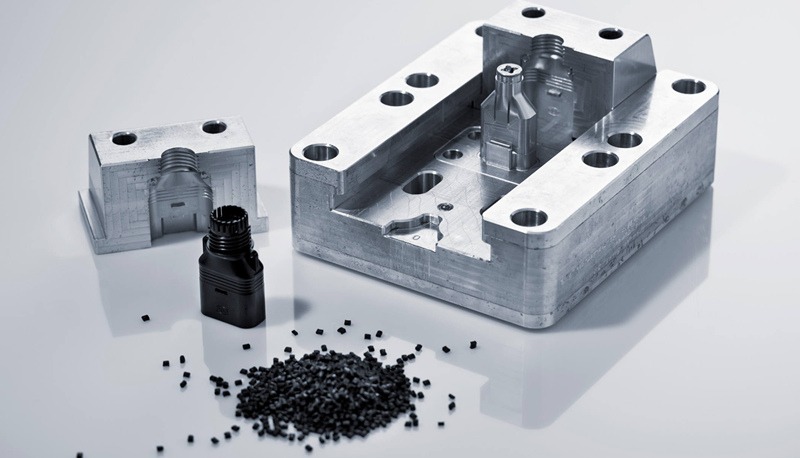
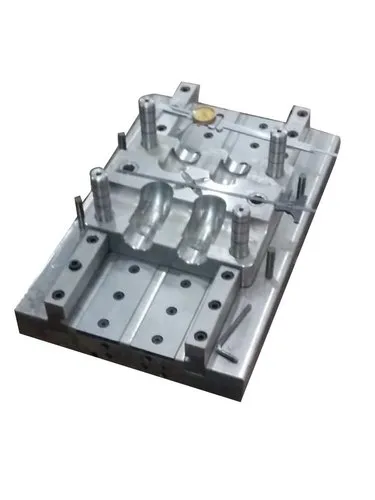
Tooling and prototype development play a crucial role in the design and manufacturing of automotive moulds, ensuring precision, performance, and reliability in final vehicle components. This stage bridges the gap between design concepts and full-scale production, enabling manufacturers to validate mould designs, identify potential issues, and optimize efficiency before mass manufacturing begins.
1. Importance of Tooling in Automotive Moulds
Tooling refers to the creation of high-precision moulds, dies, and jigs used to form automotive parts such as bumpers, dashboards, interior panels, lighting systems, and more. High-quality tooling ensures:
Accurate dimensional tolerances
Consistent part quality
Reduced production downtime
Longer mould life and repeatability
Advanced tooling techniques like CNC machining, EDM (Electrical Discharge Machining), and 3D printing enable the production of complex geometries with high precision and durability.
2. Prototype Development Process
Before full-scale production, prototype moulds are developed to test and validate the design, material, and functionality. This process involves:
Design validation: Ensuring that the mould design meets the product’s specifications.
Material testing: Verifying the suitability of resins and alloys for strength, durability, and heat resistance.
Fit and finish analysis: Checking part alignment, texture, and assembly compatibility.
Functional testing: Evaluating real-world performance under simulated operating conditions.
Prototype development minimizes costly design changes during production and ensures faster time-to-market.
3. Technologies Used in Tooling and Prototyping
Modern automotive mould development integrates several advanced technologies:
CAD/CAM/CAE systems for digital design and simulation
Rapid prototyping using 3D printing for quick sample creation
High-speed CNC machining for precise tool surfaces
Laser scanning and reverse engineering for modification and optimization
Simulation software for mould flow and thermal analysis
These tools help engineers predict potential defects, improve cooling efficiency, and enhance overall part quality.
4. Benefits of Early Prototype and Tooling Validation
Implementing prototype tooling early in the development cycle offers several advantages:
Early detection of design flaws
Reduced development costs and production delays
Improved product performance and durability
Enhanced collaboration between design and manufacturing teams
5. Conclusion
Tooling and prototype development are the foundation of high-performance automotive mould production. By integrating precision engineering, advanced simulation, and rapid prototyping, manufacturers achieve faster turnaround, reduced costs, and superior-quality automotive components. As the industry moves toward lightweight materials and electric vehicles, the role of innovative tooling and prototyping will continue to be vital for driving efficiency and innovation in automotive manufacturing.