In today’s competitive and fast-paced furniture industry, moulds have become essential tools for achieving efficiency, consistency, and innovation. From mass production to high-end design, moulds play a central role in shaping how modern furniture is made, especially in materials like plastic, foam, metal, and even engineered wood.
1. What Are Moulds in Furniture Manufacturing?
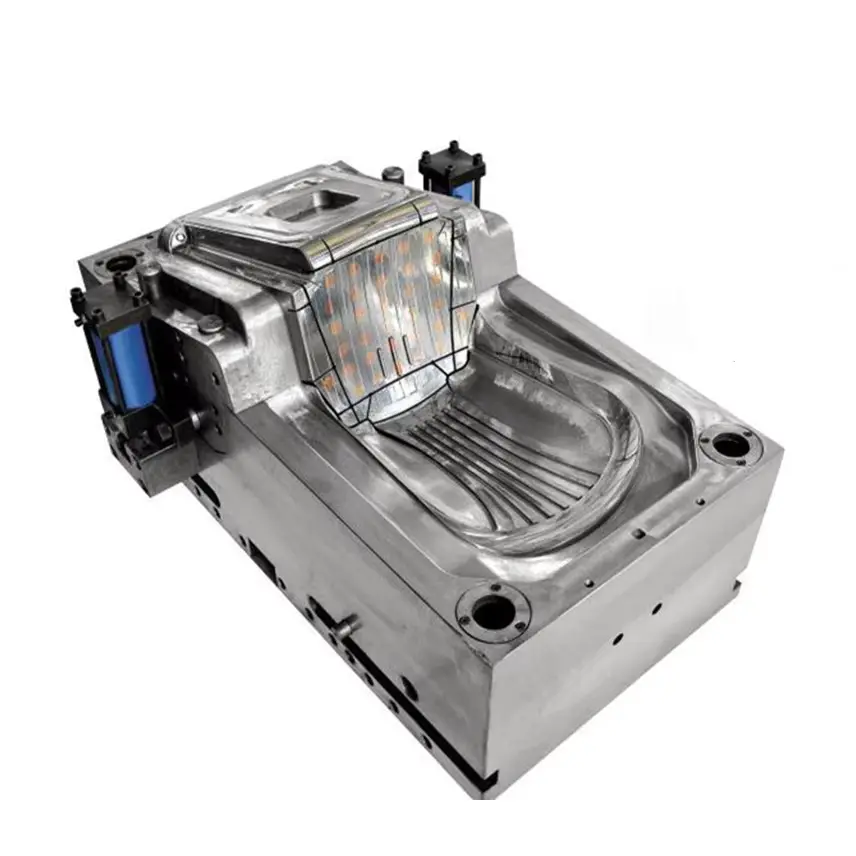
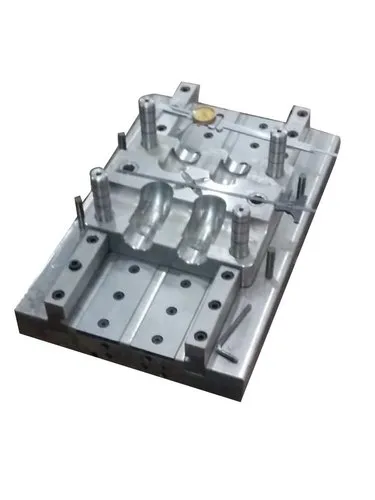
Moulds are hollow forms or cavities used to shape materials into specific designs. In furniture manufacturing, they are typically used in:
Injection moulding for plastic components
Compression moulding for foam and upholstery
Casting moulds for metals or resins
Pressing moulds for plywood or laminate surfaces
These moulds are usually made from durable materials like steel, aluminum, or silicone, and are designed to withstand repetitive use.
2. Key Benefits of Using Moulds
a. Design Consistency
Moulds ensure that every piece produced matches the original design specifications exactly. This uniformity is crucial for modular and mass-produced furniture.
b. Mass Production
With the help of moulds, manufacturers can produce hundreds or thousands of identical pieces quickly and efficiently, drastically reducing production time and labor costs.
c. Cost Efficiency
Once a mould is created, it can be reused multiple times. This minimizes material waste and lowers the cost per unit over time, especially in high-volume production.
d. Enabling Complex Designs
Modern moulding technologies allow for intricate and ergonomic furniture designs that would be difficult or impossible to achieve using traditional woodworking or metalworking methods.
3. Applications of Moulds in Different Furniture Types
Plastic Furniture: Chairs, stools, and tables often use injection moulding for their lightweight, durable forms.
Foam Cushions and Upholstery: Compression moulding helps create consistent shapes and levels of firmness in seating furniture.
Engineered Wood Products: Laminated wood is pressed in moulds to form curved or bent wood pieces, such as in bentwood chairs.
Metal Furniture: Die casting and sand moulding techniques are used for detailed and durable metal frames or parts.
4. Technological Advancements
The use of 3D modeling and CNC machining in mould design has revolutionized furniture manufacturing. Custom moulds can now be created with higher precision and in less time, allowing manufacturers to rapidly prototype and launch new products.
Additive manufacturing (3D printing) is also being explored to produce moulds or even mouldless furniture directly, pushing the boundaries of what’s possible in design.
5. Sustainability and Innovation
With increasing emphasis on sustainability, some manufacturers are exploring biodegradable moulding materials and recyclable moulded components. This aligns with growing consumer demand for eco-friendly furniture.
Conclusion
Moulds are at the heart of modern furniture manufacturing, enabling scalability, precision, and creativity. As materials and technologies continue to evolve, the role of moulds will likely expand, further shaping the future of how we design and produce furniture.