In the plastic manufacturing industry, split moulds (also known as multi-part or multi-cavity moulds) play a crucial role, especially when producing large plastic houseware items such as storage bins, laundry baskets, water containers, chairs, and other household utility products. These moulds are specifically engineered to enable the efficient and precise forming of complex, large-scale plastic parts using processes like injection moulding, blow moulding, or rotational moulding.
What Are Split Moulds?
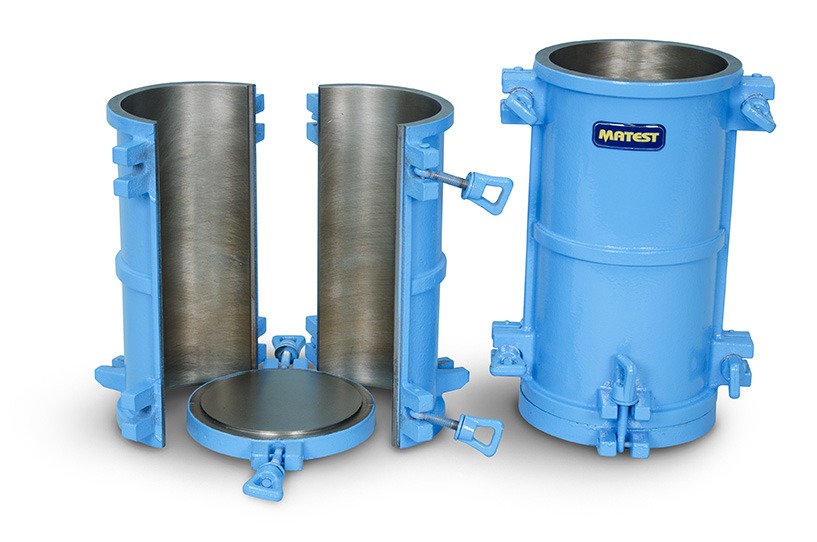
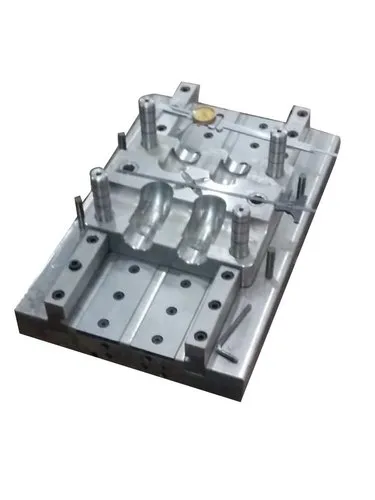
A split mould consists of two or more separable parts that come together to form the cavity in which molten plastic is shaped. Once the plastic cools and solidifies, the mould opens along the split lines, allowing the finished part to be ejected or removed without damaging it.
For large items, split moulds offer significant engineering and functional advantages, ensuring that the production process remains both feasible and cost-effective.
Importance in Manufacturing Large Plastic Houseware Items
Large houseware products typically present unique challenges:
Size: The mould must accommodate a large volume.
Complex geometry: Handles, ribs, stacking features, and ventilation holes add design complexity.
Structural integrity: The mould must withstand high pressures without distortion.
Easy ejection: Larger parts can warp or get stuck if mould design isn’t optimized.
Split moulds solve these issues through:
Modular design that allows easier assembly and disassembly.
Customised parting lines to optimize flow and reduce stress on the final product.
Efficient cooling systems integrated into the mould for faster cycle times.
Design Considerations
When designing split moulds for large houseware items, the following factors are critical:
Mould Parting Line Placement
Should be strategically placed to minimize visible marks.
Must ensure easy ejection of the product.
Material Flow and Venting
Proper runner and gate design ensures uniform filling.
Air vents prevent defects like short shots and burn marks.
Cooling Systems
Large moulds require efficient cooling channels to maintain productivity.
Even cooling is essential to avoid warping or shrinkage.
Mould Strength and Durability
Tool steel or hardened alloys are used to withstand the pressures of large injection cycles.
Reinforcements are often added to prevent deformation.
Automation Compatibility
Split moulds can be integrated with robotic arms or ejector systems for high-volume production.
Common Applications
Split moulds are widely used for producing:
Storage containers and lids
Plastic chairs and stools
Buckets and tubs
Laundry baskets
Coolers and insulated boxes
Waste bins
These products require high dimensional accuracy and repeatability, which split moulds can consistently provide.
Benefits of Using Split Moulds for Large Houseware Items
✅ Ease of production for large or complex items
✅ Improved quality and precision in final products
✅ Reduced cycle times through efficient cooling and ejection
✅ Lower maintenance due to modular mould components
✅ Flexibility for future design modifications or product variations
Conclusion
Split mould technology is indispensable in the production of large plastic houseware items. With the right design and manufacturing processes, these moulds enable scalable, reliable, and cost-efficient production of high-quality plastic goods for everyday use. As consumer demand continues to evolve, the role of advanced mould engineering—especially split moulds—will remain central to innovation in the plastic houseware industry.