1. Introduction
The mould base is a critical component in the injection moulding process, serving as the foundation for the entire mould assembly. The choice between standard and custom mould base designs significantly impacts manufacturing lead time, cost, flexibility, and performance.
2. Standard Mould Base Design
Definition:
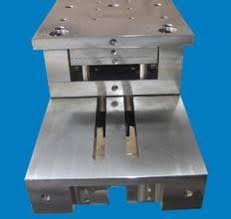
A standard mould base is pre-manufactured according to industry-defined dimensions and specifications by mould base suppliers. These are ready-to-use or require minimal modifications.
Key Features:
-
Pre-defined sizes and layouts (e.g., A/B plates, ejector systems)
-
Compatible with a wide range of inserts and mould components
-
Available from suppliers like DME, HASCO, FUTABA, etc.
Advantages:
-
Cost-Effective: Lower production and material costs due to mass production
-
Short Lead Time: Faster delivery; readily available off-the-shelf
-
Interchangeability: Easy replacement of parts across multiple moulds
-
Simplified Design Process: Reduces the time and complexity of design
Limitations:
-
Design Constraints: Limited flexibility in plate sizes, layout, and component placement
-
Material Limitations: Often made from general-purpose steel, which may not suit high-performance or high-wear applications
-
Less Optimized Performance: May not be ideal for highly specialized moulding requirements
3. Custom Mould Base Design
Definition:
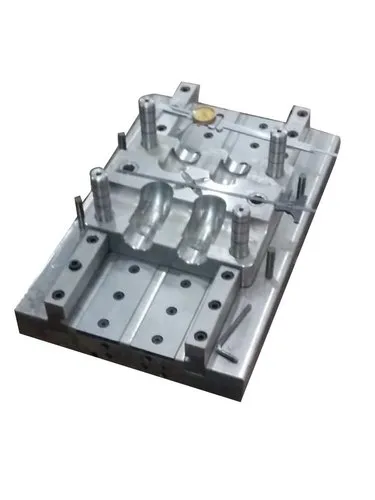
A custom mould base is tailor-made to suit specific application requirements, part geometries, or process constraints. Each component is designed and fabricated from scratch or with heavy modification to standard plates.
Key Features:
-
Custom plate sizes, layouts, and hole patterns
-
Specific material grades and treatments
-
Special provisions for complex part geometries, cooling, ejection, etc.
Advantages:
-
Full Design Flexibility: Can accommodate complex or unique part shapes and functions
-
Optimized Performance: Designed specifically for thermal control, strength, durability, etc.
-
Integration of Advanced Features: Allows for the incorporation of hot runners, special guides, lifters, and complex gating systems
Limitations:
-
Higher Cost: Custom machining, materials, and engineering time increase the total cost
-
Longer Lead Times: Requires detailed design, approval, and manufacturing time
-
Increased Design Complexity: Demands experienced designers and more rigorous design validation
4. Key Comparison Table
| Aspect | Standard Mould Base | Custom Mould Base |
|---|---|---|
| Cost | Lower | Higher |
| Lead Time | Shorter | Longer |
| Design Flexibility | Limited | High |
| Ease of Replacement | Easy | Complex |
| Material Options | Limited | Broad |
| Best Suited For | Simple or common moulding parts | Complex or high-performance moulds |